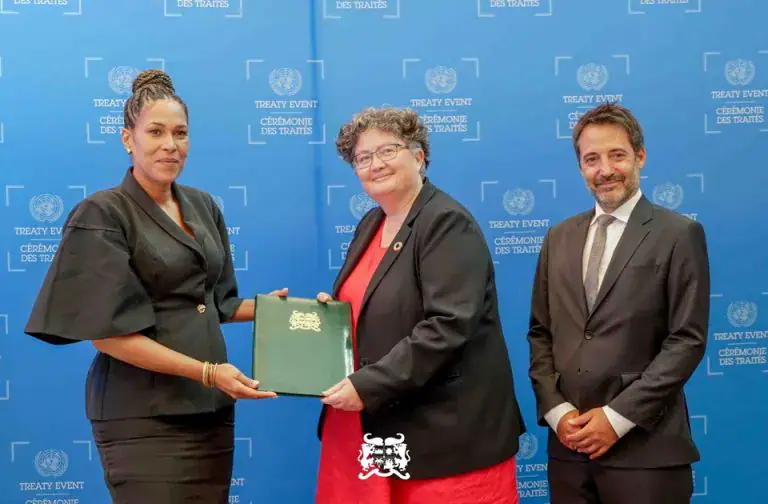
The Republic of Benin has deposited its instrument of accession to the United Nations Convention on the Protection and Use of Transboundary Watercourses and International Lakes, also known as the 1992 Water Convention, on September 22, 2026, in New York. This move is expected to strengthen dialogue and cooperation with neighboring countries that share water resources with Benin. The country's location in the heart of the Niger, Mono, Volta, and Ouémé river basins makes it a key player in regional water management.
Benin shares several water resources with neighboring countries, including Niger, Nigeria, Togo, and Burkina Faso. The country's accession to the Water Convention is expected to open up new opportunities for concerted management of these resources. The Convention, adopted in Helsinki in 1992 and entered into force in 1996, provides an international legal framework for cooperation between riparian states in managing transboundary watercourses and lakes.
With Benin's accession, the number of countries that have joined the Water Convention now stands at 61. The Beninese government says it wants to make water a lever for cooperation, sustainable development, and solidarity between peoples, contributing to peace and water security in the region. This move is part of a broader trend in Africa, where several countries have recently joined the Convention, including Malawi in August 2026.
The Water Convention provides a framework for countries to cooperate on the management of shared water resources, promoting sustainable use and protection of these resources. Benin's accession is expected to enhance regional cooperation and dialogue on water management, which is critical for the country's development and the well-being of its population.
The Beninese government's decision to join the Water Convention is also driven by the need to address the challenges of climate change, which is affecting the country's water resources. By working with neighboring countries, Benin aims to develop a more coordinated approach to managing its water resources and mitigating the impacts of climate change.
The accession of Benin to the Water Convention has been welcomed by the international community, which sees it as a positive step towards promoting cooperation and sustainable development in the region. The UN has encouraged Benin to continue working with its neighbors to address the challenges of water management and to promote peace and security in the region.
Benin's joining of the Water Convention is a significant development in the region, and it is expected to have a positive impact on the country's water management and cooperation with neighboring countries. The country will now be able to participate in the Convention's meetings and decision-making processes, which will help shape the future of transboundary water management in the region.
Key points
- Benin becomes the 61st country to join the UN Water Convention.
- The country's accession aims to enhance cooperation with neighboring countries on shared water resources.
- Benin's move is part of a broader trend in Africa, where several countries have recently joined the Convention.