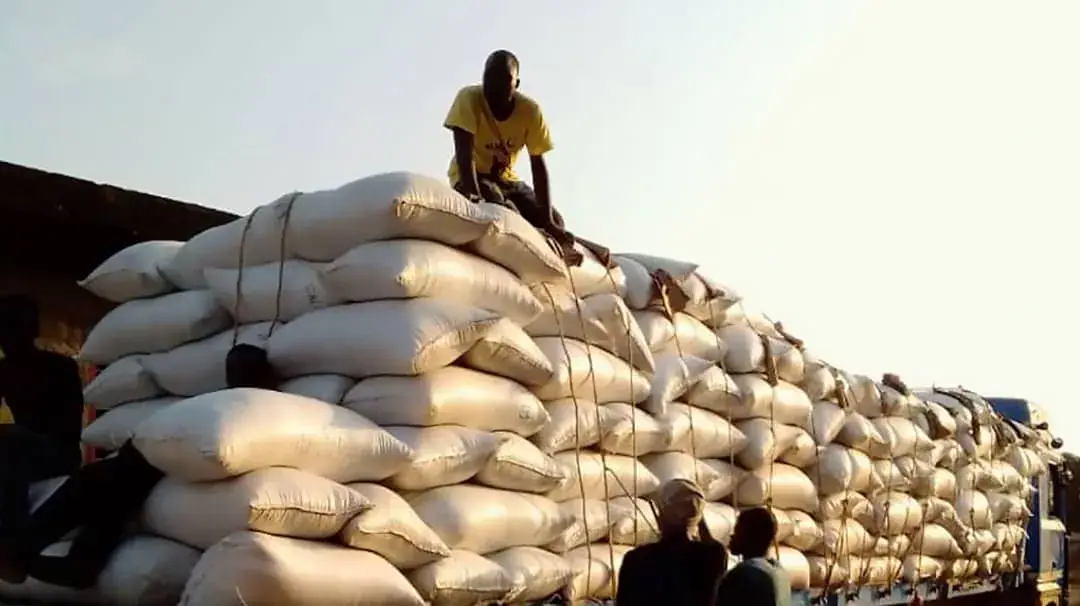
The Beninese government has officially introduced a free market for soybean commercialization, a move welcomed by the agricultural community but also causing concerns among farmers. According to a joint communiqué, the new policy aims to open up the soybean market, but farmers are worried about the potential for speculation. Fortuné SOSSA reported on the development on November 9, 2026.
Farmers in Benin's rural areas are expressing a mix of hope and anxiety about the new policy. Symphorien Azimbli, a local soybean farmer and agricultural leader in Djidja, has voiced his concerns about the liberalization of soybean prices. He argues that without a price floor, small-scale farmers like himself may be vulnerable to exploitation by larger buyers.
Azimbli is advocating for a minimum price of 300 F CFA per kilogram of soybean, which he believes is essential for the survival of small-scale farmers. He notes that selling at a price below this threshold would mean working at a loss, given the high costs of production, including labor, seeds, and phytosanitary treatments.
However, Jonas Gbeffo, an expert in agricultural communication, cautions against government intervention in setting a minimum price. He argues that such a move could lead to a rigid market where traders align themselves with the government-set price, effectively creating a maximum price. Instead, Gbeffo recommends a contractual regulation approach, where buyers and sellers negotiate directly within their interprofessional organization.
The interprofessional organization for soybean producers in Benin is currently inactive, according to Azimbli. He laments that if this organization were functioning effectively, it would have already provided the government with a detailed breakdown of production costs, enabling a more informed discussion about a price floor.
Azimbli suggests that the government collaborate with soybean producer organizations to develop a technical evaluation tool to estimate the actual costs of producing one hectare of soybean. This would help establish a fair price floor and protect farmers from economic exploitation.
The issue of soybean pricing has significant implications for Benin's agricultural sector and food sovereignty. Farmers and experts agree that protecting the price of soybean is crucial for the survival of small-scale farmers and the overall development of Benin's agriculture.
Key points
- The Beninese government has liberalized the soybean market, introducing a free market for commercialization.
- Farmers are advocating for a minimum price of 300 F CFA per kilogram of soybean to protect themselves from exploitation.
- Experts recommend a contractual regulation approach, where buyers and sellers negotiate directly within their interprofessional organization, rather than a government-set minimum price.