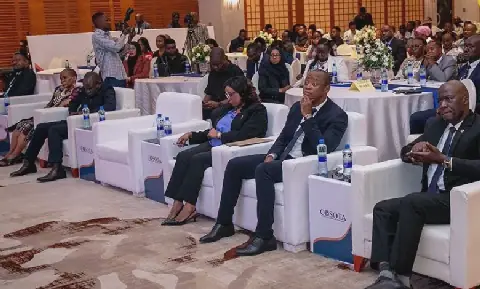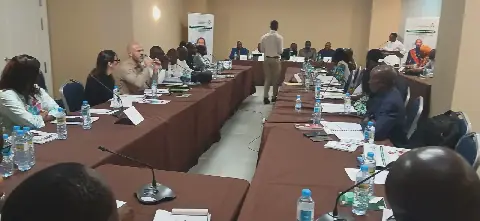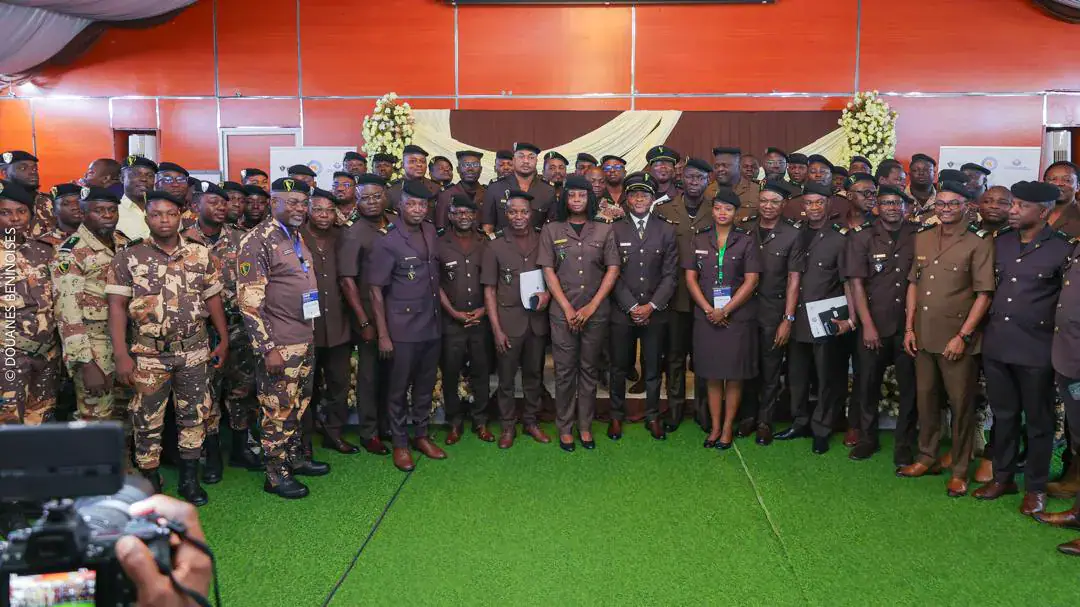
The 33rd meeting of the West and Central African region of the World Customs Organization (WCO) opened in Cotonou, Benin, on November 25, 2026. The three-day meeting brings together representatives of customs administrations in the region to discuss necessary reforms for modernizing their services. The theme of the meeting is "For an innovative, integrated, and performant customs service in the service of sustainable development."
The Director-General of Benin's Customs, Colonel Raouf Malèhossou Aboudou, emphasized the need for customs administrations to adapt to changes in their environment. He cited geopolitical tensions, supply chain disruptions, digitalization of procedures, growth of e-commerce, and trans-border threats as challenges that require a response. The customs mission goes beyond revenue mobilization, he said, and must also facilitate legitimate trade, ensure smooth logistics, and protect economies and populations against fraud, smuggling, and terrorism financing.
The experts' discussions focus on three main areas. The first concerns governance, including budgetary and financial issues, resource mobilization, and integrity reinforcement. The second area is trade facilitation, through digital transformation, data analysis, border management, and transit security. The third area is protection, with a focus on security, customs intelligence, and fraud prevention. On integrity, the Benin Customs Director-General referred to the revised Arusha Declaration, emphasizing ethics, transparency, and accountability as fundamental requirements for public trust.
The meeting aims to prepare the next Conference of Directors-General, scheduled for May 2027 in Dakar, Senegal. The WCO's regional committee is responsible for monitoring recommendations from the Conference of Directors-General, preparing the next conference, and examining reports from statutory bodies. The Cotonou meeting is expected to produce specific, measurable recommendations with deadlines, translating regional orientations into concrete actions for more coordinated and effective customs administrations.
The stakes are high, with the goal of achieving better coordination, efficiency, and adaptability to international trade and sustainable development requirements. The meeting's outcomes will contribute to the development of more effective customs services in West and Central Africa. Benin's hosting of the meeting highlights the country's commitment to regional cooperation and customs modernization.
At the opening ceremony, Sidoine Yeremi, representative of the WCO's regional vice-president, recalled the strategic importance of the experts' committee. He emphasized the committee's role in monitoring recommendations and preparing the next Conference of Directors-General. The meeting's success will depend on the participants' ability to produce concrete recommendations and implement them effectively.
The modernization of customs services is crucial for West and Central African countries to adapt to the changing global trade landscape. The meeting in Cotonou is an opportunity for experts to share experiences and best practices in customs administration, with a focus on innovation, integration, and performance. The outcomes of the meeting will have a direct impact on the region's economic development and international trade.
Key points
- The 33rd meeting of the West and Central African region of the World Customs Organization focuses on customs modernization and regional cooperation.
Reporting sources
- Modernisation des douanes : Des experts de l’Omd-Aoc en conclave à Cotonou · Bénin Intelligent