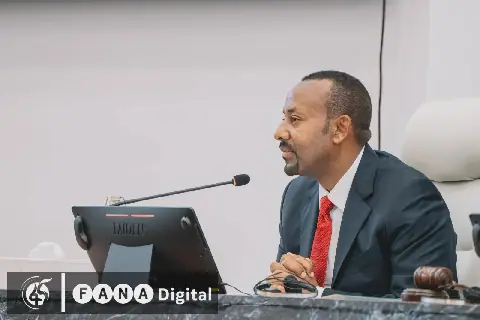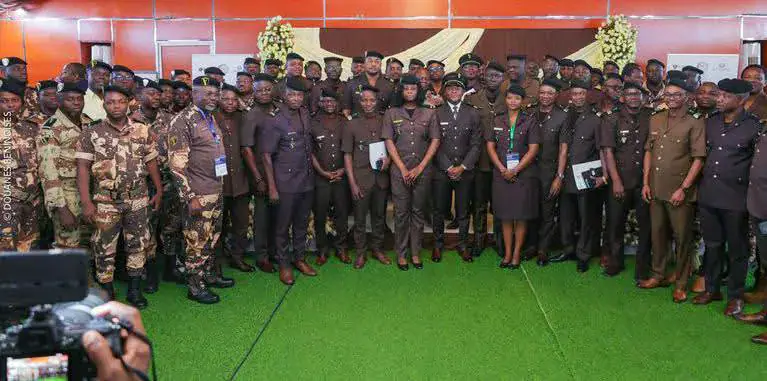
The 33rd meeting of the West and Central African region of the World Customs Organization (WCO) began on November 25, 2026, in Cotonou, Benin. The three-day event brings together experts from customs administrations in the region to discuss strategies for modernizing customs administrations. The meeting's theme, "For an innovative, integrated, and high-performance customs service for sustainable development," sets the tone for the discussions. The meeting aims to address the challenges faced by customs administrations in a rapidly changing economic and security environment.
The meeting provides a platform for experts to share experiences and best practices in customs administration. The Director-General of Benin's Customs, Colonel Raouf Malèhossou Aboudou, welcomed the delegates and emphasized the importance of the meeting in strengthening regional cooperation and integration. He highlighted the need for customs administrations to adapt to the acceleration of digital exchanges, complex logistics chains, and new trans-border threats. The modern customs administration, he stressed, must go beyond its traditional role of collecting public revenue to facilitate legitimate trade, secure borders, and intensify the fight against fraud and illicit trafficking.
The meeting focuses on three main areas: governance, facilitation, and protection. The Director-General of Benin's Customs outlined the need for customs administrations to integrate new technologies, analyze data, and dematerialize procedures. The representative of the WCO-AOC Vice-President, Sidoine Yeremi, recalled the strategic importance of the Committee of Experts, which monitors the implementation of recommendations from conferences of Directors-General and prepares for the next conference in May 2027 in Dakar, Senegal.
The Committee of Experts plays a crucial role in promoting regional cooperation and integration. Its missions include monitoring the implementation of recommendations, consolidating reports from regional bodies, and preparing for future conferences. The meeting in Cotonou provides an opportunity for experts to discuss challenges and opportunities in customs administration and to identify areas for cooperation and collaboration.
The Director-General of Benin's Customs emphasized the importance of integrity in building trust between customs administrations, economic operators, and citizens. He called for a governance framework based on ethics, transparency, and accountability, drawing on the revised Arusha Declaration. The meeting aims to produce concrete recommendations with measurable targets and deadlines to transform regional commitments into actions.
The three-day meeting will culminate in a set of recommendations aimed at transforming customs administrations in the region. The experts will focus on developing strategies for modernizing customs administrations, enhancing regional cooperation, and addressing the challenges posed by the rapidly changing economic and security environment. The outcome of the meeting is expected to contribute to the development of more modern, coordinated, and resilient customs administrations.
The meeting in Cotonou marks a significant step towards enhancing regional cooperation and integration in West and Central Africa. The discussions will center on the theme of innovative, integrated, and high-performance customs services for sustainable development. The recommendations emerging from the meeting will be crucial in shaping the future of customs administrations in the region and promoting economic growth and development.
Key points
- The 33rd meeting of the West and Central African region of the World Customs Organization focuses on modernizing customs administrations and enhancing regional cooperation.