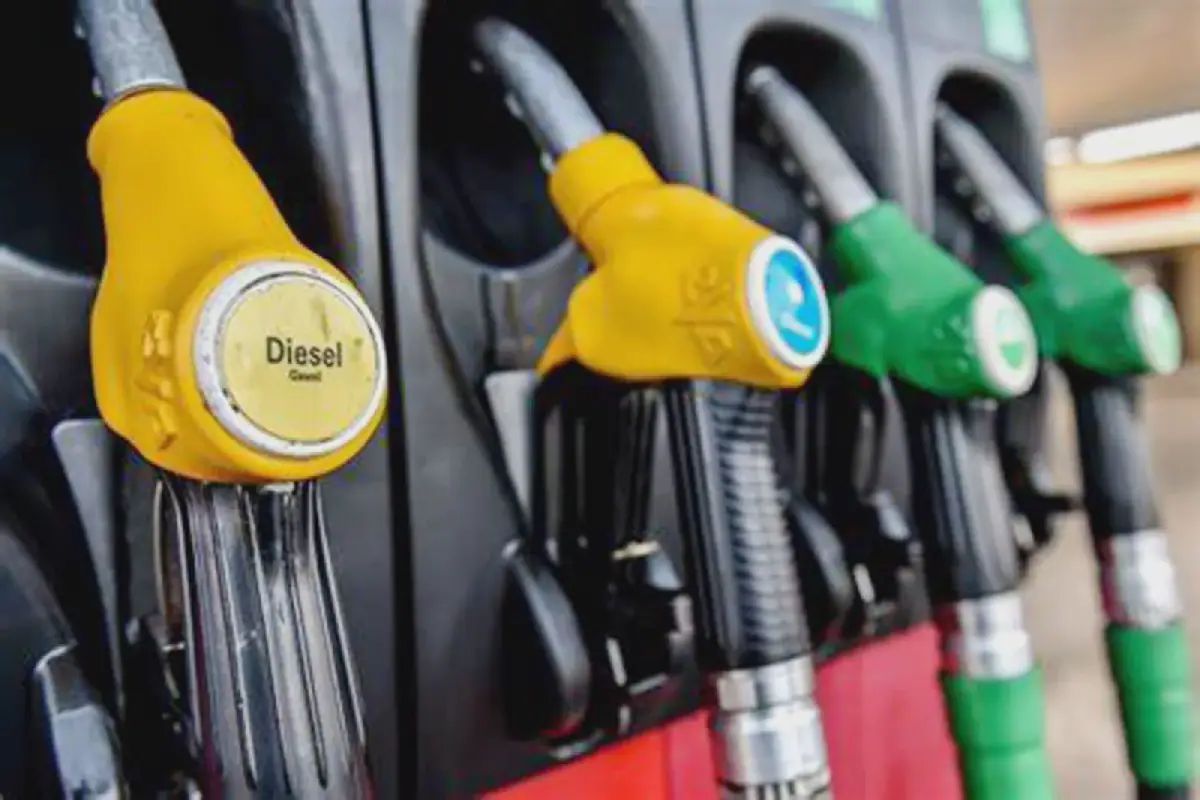
A surge in demand for fuel at service stations in Benin has resulted in long queues, sparking concerns among consumers. However, the country's national reserves are reported to be sufficient, with stocks estimated to last between three to six months. The current situation is attributed to a shift in consumer behavior, with many turning to formal distributors due to disruptions in the informal supply chain from Nigeria.
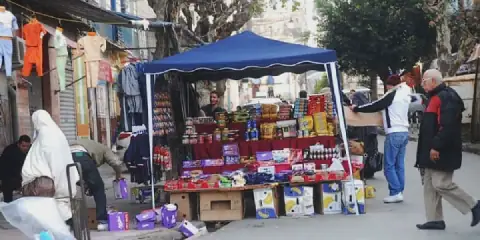
The informal market, commonly referred to as "Kpayo", has been severely impacted by Nigerian supply disruptions and customs restrictions. This circuit typically accounts for six times the volume sold by official service stations. With their usual source of supply dwindling, consumers are increasingly relying on authorized distributors, leading to a massive transfer of demand and putting pressure on the formal distribution network.
As a result, daily sales at service stations have skyrocketed, with volumes rising from approximately 270,000 liters to over 600,000 liters, with peaks reaching up to 2.5 million liters per day. This sudden influx has strained the storage, pumping, and distribution capacities of existing facilities, leading to logistical congestion rather than an actual shortage of fuel.
According to the Benin Petroleum Deposits (Dpb), the country's national reserves are sufficient to meet consumer demand for the next three to six months. This has alleviated concerns of a potential shortage, shifting the focus to the efficient distribution of fuel to consumers. The Dpb and other stakeholders are working to address the current challenges and ensure a smooth supply of fuel.
The current situation presents an opportunity for formal operators in the fuel distribution sector. With consumers increasingly turning to official channels, distributors and station managers can capitalize on this trend by investing in necessary resources and logistics. This may involve enhancing truck rotations, increasing storage capacities, and improving pumping equipment to boost commercial performance.
The shift towards formal distribution channels may also encourage informal sector players to consider legalizing their operations. As the sector continues to evolve, it is essential for stakeholders to collaborate and find solutions to the current challenges. This may involve implementing policies and regulations that support the growth of the formal sector while providing opportunities for informal operators to transition into the formal economy.
The Benin government's efforts to address the current fuel distribution challenges will be crucial in determining the sector's future trajectory. With the national reserves sufficient to meet consumer demand, the focus should now shift to ensuring efficient distribution and exploring opportunities for growth and development in the sector. Key to this will be the ability of formal operators to adapt to the changing landscape and capitalize on emerging opportunities.
Key points
- The current fuel distribution challenges in Benin are primarily logistical rather than due to a shortage of fuel.
- The disruptions in Nigeria have significantly impacted Benin's informal fuel supply chain.
- The situation presents opportunities for formal operators in the fuel distribution sector to grow their businesses.