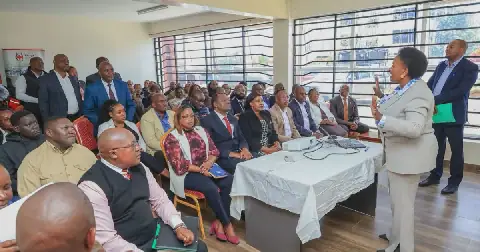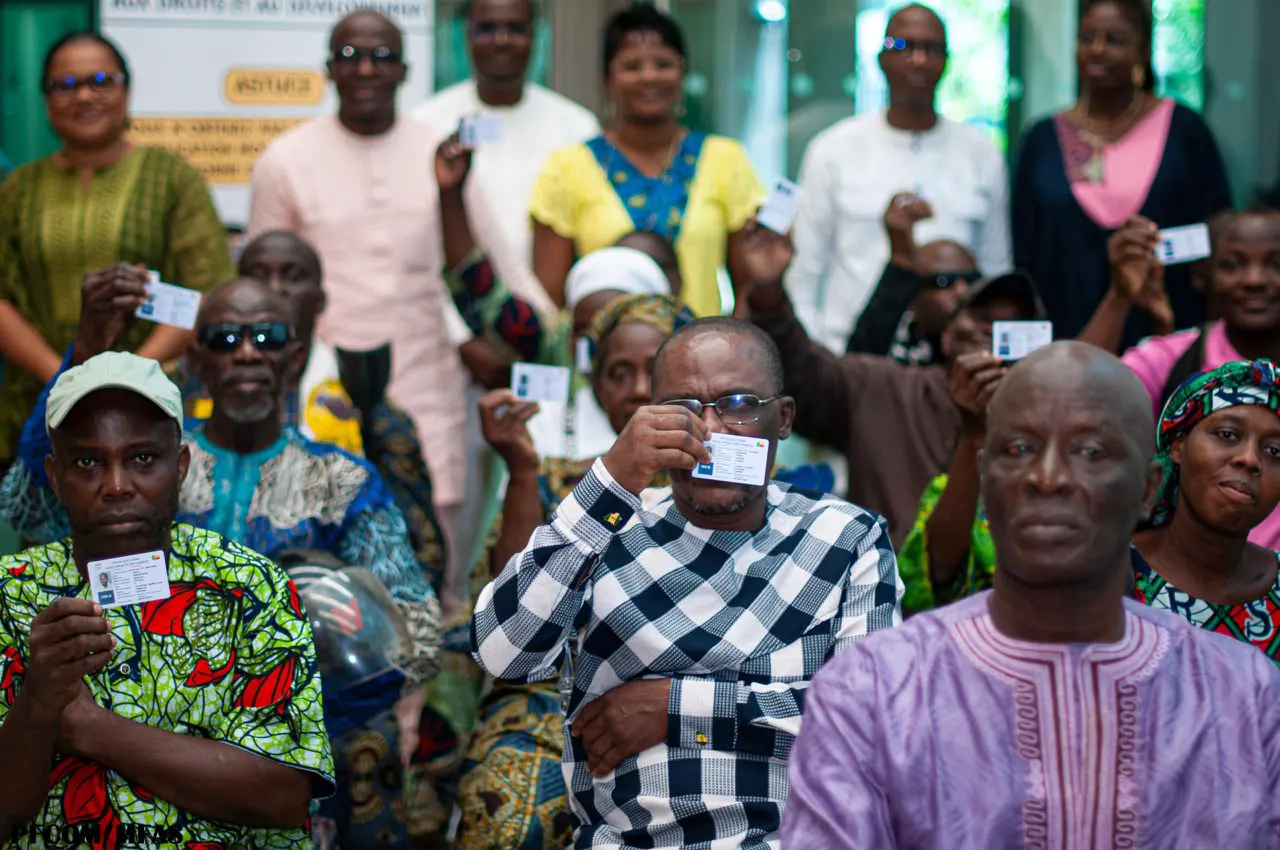
The Benin government has taken a significant step towards promoting equal opportunities for people with disabilities. On September 18, the Minister of Family and Social Action, Véronique Tognifodé, received 1,422 new equality cards intended for people with disabilities. The ceremony took place at the Cité ministérielle in Cotonou. This latest batch brings the total number of equality cards distributed to 4,718 since 2024.
The equality cards are part of a broader initiative to provide people with disabilities with greater access to their rights and preferential measures. The cards, which are issued by the National Agency for Identification of Persons (Anip), serve as a means of identification and also determine the rights and measures that the holder is entitled to, based on their disability rate. According to Minister Tognifodé, the cards are a way of recognizing the citizenship of people with disabilities and ensuring that they have equal access to services.
The distribution of equality cards is part of a larger effort to provide universal access to legal identity. The Anip aims to achieve this goal by 2028, in line with the United Nations' Sustainable Development Goals. The agency's Director-General, Aristide Guy Adjinacou, emphasized that the goal is to provide a legal identity to all citizens by 2028. He also noted that the challenge lies in reaching people living in remote areas and those who still face difficulties in accessing services.
The beneficiaries of the equality cards have welcomed the initiative, saying that it will help to promote their rights and facilitate their access to services. A mother of a beneficiary, who received the card for her daughter, said that it was a way of recognizing her child's citizenship despite her disability. The President of the Federation of Associations of People with Disabilities in Benin (Faphb), Domingo Nassirou, also praised the efforts made by the government and encouraged those who have not yet received their cards to apply.
The process of distributing equality cards is set to continue, with 4,000 new applications received this year. The applications will be examined during the next session of the Interministerial Commission for the Implementation of Measures for the Inclusion of People with Disabilities. According to Minister Tognifodé, the dynamic engaged will allow for the progressive expansion of access to recognition of rights and inclusion measures for people with disabilities.
The Benin government has made significant progress in promoting the inclusion of people with disabilities. In addition to the distribution of equality cards, the government has also implemented measures such as exempting 5,000 students with disabilities from school fees. The government has also allocated funds for vital emergencies, education, and agriculture. These initiatives demonstrate the government's commitment to promoting equal opportunities for all citizens.
The expansion of equal opportunities for people with disabilities in Benin is a significant step towards promoting social inclusion and recognizing the rights of all citizens. The government's efforts to provide universal access to legal identity and to promote the inclusion of people with disabilities are in line with international best practices and demonstrate a commitment to promoting human rights and dignity.
Key points
- The Benin government has distributed 1,422 new equality cards to people with disabilities, bringing the total number of cards distributed to 4,718 since 2024.
- The equality cards serve as a means of identification and determine the rights and measures that the holder is entitled to, based on their disability rate.
- The government aims to provide universal access to legal identity by 2028, in line with the United Nations' Sustainable Development Goals.