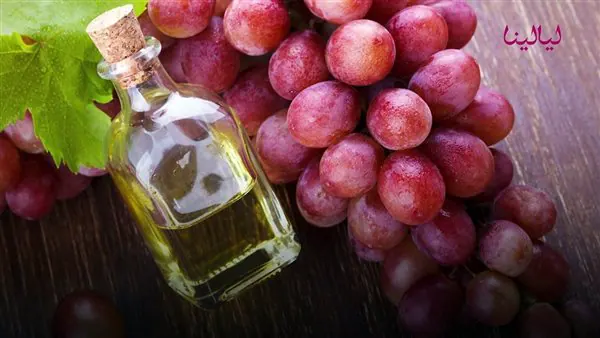
Grape seed oil, extracted from grape seeds, is renowned for its light texture and rich composition of plant compounds, fatty acids, and antioxidants. These properties make it an ideal addition to daily skincare routines, offering hydration and smoothness without a heavy, greasy feel. This oil is particularly beneficial for those seeking a lightweight moisturizing solution.
One of the primary benefits of grape seed oil is its ability to hydrate the skin without leaving a heavy, oily residue. Its light texture allows for easy distribution across the skin, reducing feelings of dryness and coarseness by supporting the skin's moisture retention. This characteristic makes it suitable for normal to dry skin types and potentially for combination or oily skin types when used sparingly.
Grape seed oil is rich in linoleic acid, a fatty acid naturally found in the skin. This component plays a crucial role in supporting the skin's barrier function, which is essential for reducing water loss and maintaining skin softness. Therefore, incorporating this oil into skincare routines can be particularly beneficial for skin that experiences dryness or tightness, especially during dry weather or seasonal changes.
The oil is also rich in antioxidants, including vitamin E and other plant compounds. These antioxidants help protect the skin from oxidative stress caused by environmental factors. However, it's essential to note that using grape seed oil does not replace the need for sunscreen, as protection from UV radiation remains critical for maintaining skin health and reducing signs of aging.
Regular use of grape seed oil can contribute to improving skin texture, making it softer and more supple. The oil forms a light layer that helps reduce moisture loss, and a few drops can be applied after cleansing and moisturizing for optimal results. It's crucial not to overuse the oil, as this can lead to a shiny appearance or heaviness, particularly for those with combination or oily skin.
Grape seed oil can be used for gentle facial massage, provided the skin is suitable for oils and not experiencing active issues or irritation. A small amount should be warmed between the fingertips and then gently massaged into the skin with light, non-stretching movements. This practice can enhance skin radiance and relaxation without causing damage or irritation.
While grape seed oil's antioxidants may help protect the skin from factors contributing to signs of aging, and hydration can temporarily reduce the visibility of fine lines associated with dryness, it should not be considered a treatment for wrinkles. Consistent use of sunscreen and appropriate moisturizers remains essential for maintaining skin health as it ages.
Key points
- Grape seed oil offers hydration and supports skin barrier function.
- Its light texture makes it suitable for various skin types, including oily skin when used sparingly.
- Antioxidants in grape seed oil help protect the skin from environmental stressors.