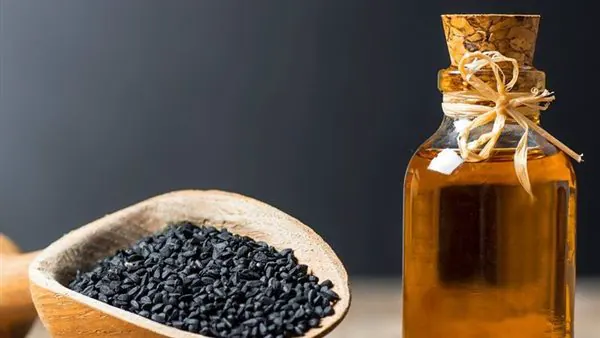
Black seed oil, derived from the seeds of Nigella sativa, has been used for centuries in traditional medicine. The oil contains active compounds like thymoquinone, fatty acids, and other antioxidants. These compounds are believed to contribute to the oil's potential health benefits. Researchers have been studying black seed oil for its possible effects on various aspects of health. The oil is also used in some natural skincare and haircare routines.
One of the key benefits of black seed oil is its antioxidant properties. Antioxidants help protect cells from oxidative stress caused by free radicals. This can lead to a range of health problems, including inflammation and cell damage. The antioxidants in black seed oil may help mitigate this stress. As a result, the oil is used in some natural health regimens, either as a dietary supplement or applied topically. However, it is essential to choose a high-quality product and follow the recommended usage instructions.
Black seed oil may also support skin health when used topically. The oil contains fatty acids and plant compounds that can help moisturize and soothe the skin. It may be particularly beneficial for dry skin or areas with dryness. However, individuals with sensitive skin should exercise caution and perform a patch test before using the oil extensively. Some studies have also explored the oil's potential effects on certain skin conditions, but more research is needed to confirm its efficacy.
In addition to its potential skin benefits, black seed oil is sometimes used in haircare routines. The oil can be applied to the scalp or hair ends to help nourish and moisturize the hair. The fatty acids in the oil may help improve hair texture and appearance. However, it is essential to note that black seed oil is not a proven treatment for hair loss or baldness. If experiencing severe hair loss, it is best to consult a healthcare professional to determine the underlying cause.
Black seed oil has also been studied for its potential anti-inflammatory properties. The oil contains compounds like thymoquinone, which may help reduce inflammation. Some studies have suggested that the oil may have a positive impact on certain health conditions, but more research is needed to confirm its efficacy. The anti-inflammatory effects of black seed oil may also be beneficial for individuals with conditions like arthritis or other inflammatory diseases.
Some studies have also explored the potential cardiovascular benefits of black seed oil. The oil may help improve certain cardiovascular risk factors, such as blood lipid levels or blood pressure. However, more research is needed to confirm its efficacy, and it should not be used as a replacement for conventional treatments. Individuals with heart health concerns should consult with their healthcare provider before using black seed oil.
To use black seed oil safely and effectively, it is essential to follow the recommended dosage and usage instructions. The oil can be applied topically to the skin or hair, or taken as a dietary supplement. However, individuals with certain health conditions or taking specific medications should exercise caution and consult with their healthcare provider. Pregnant or breastfeeding women should also consult with their healthcare provider before using black seed oil.
Key points
- Black seed oil has potential antioxidant and anti-inflammatory properties.
- The oil may support skin and hair health when used topically.
- Black seed oil may have potential cardiovascular benefits, but more research is needed.