A recent analysis by Statistics South Africa reveals significant disparities in municipal infrastructure investment across the country. The analysis measures how much local governments spend on fixed assets per resident. In 2022, municipal capital spending averaged R910 per person, with urban centres far outpacing underfunded rural areas. The Eastern Cape and Buffalo City initially ranked near the top in 2022 capital expenditure, but updated figures demonstrate fluctuating performance among major metros.
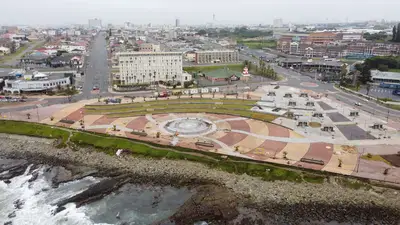
Municipalities across South Africa spent R56.5bn on capital investments in 2022, averaging R910 per resident or R3,167 per household. The Western Cape recorded the highest capital spend per person among provinces in 2022, closely followed by the Eastern Cape. Buffalo City topped the metropolitan rankings for capital expenditure per resident in 2022, ahead of Johannesburg and Cape Town.
However, newer 2024 estimates show Cape Town and eThekwini taking the lead, with Buffalo City's ranking changing due to financial pressures squeezing municipal investment. Rural municipalities spent substantially less per capita than metropolitan areas due to weak revenue bases and heavy reliance on national grants. Stats SA emphasised that capital expenditure figures exclude district municipality spending and do not reflect project quality, maintenance, or completion rates.
The analysis also identifies Tshwane as the metro with the lowest per-capita capital spending in 2024, followed by Ekurhuleni. Capital expenditure is the money municipalities invest in infrastructure and long-term assets, including roads, water and electricity networks, sanitation facilities and public buildings. Operational spending, on the other hand, covers the day-to-day costs of running a municipality.
The distinction between capital expenditure and operational spending is increasingly important as municipalities face pressure to maintain ageing infrastructure while meeting rising service demands. Stats SA's national figures put municipal capital expenditure at R56.5bn in 2022. Against a population of about 62-million, that amounted to roughly R910 per person.
Research into Johannesburg's municipal finances by Genesis Analytics found that Johannesburg's operating expenditure had grown by 92.5% in real terms since 2010, while capital investment had contracted by 12.8%. The research warns that the widening gap between operating and capital spending threatens long-term service delivery, arguing that the city would have to reduce operating costs and find ways to increase infrastructure investment.
For Buffalo City and other municipalities, the lesson is that a high position in a spending table is no guarantee of lasting progress. What matters is whether investment is sustained, infrastructure is maintained and capital projects translate into better services for residents. The real test of municipal spending is not the amount recorded per person, but what residents can see, use and rely on.
Key points
- Buffalo City's ranking for capital expenditure per resident has changed, with Cape Town and eThekwini now leading.
- Municipalities face pressure to maintain ageing infrastructure while meeting rising service demands amid growing operational expenses.
- The widening gap between operating and capital spending threatens long-term service delivery in municipalities.