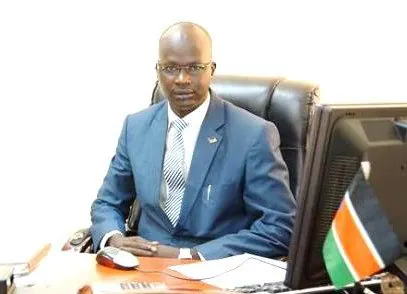
The Bank of South Sudan has issued a directive prohibiting institutions from conducting foreign exchange transactions with unauthorised persons or entities. The directive, contained in Circular No. 2 BoSS/OOoG/9/2026, was issued on September 18, 2026, by the Bank's Governor, Dr. Addis Ababa Othow. The circular cites the Foreign Exchange Business Act, 2012, and other banking laws, stating that foreign exchange business may only be conducted by licensed banks, authorised foreign exchange bureaus, or other institutions expressly authorised by the Bank.
The directive warns against arrangements involving substantial South Sudanese pound cash payments outside the banking system, followed by the provision of US dollars or other foreign currencies for goods and services. According to the circular, transactions conducted outside the regulated foreign exchange market could affect market transparency, exchange-rate formation, and the effectiveness of monetary and foreign exchange policies. The bank also stated that such activities could facilitate the movement of funds outside the formal financial system and increase exposure to financial crimes.
The BoSS has ordered regulated entities to immediately cease foreign exchange transactions with unauthorised persons and verify the license status of every foreign exchange counterparty before conducting business. Entities have also been instructed to maintain complete records of their foreign exchange transactions, including the counterparty, amount, currency, purpose, supporting documents, and settlement channel. This move aims to ensure that all foreign exchange transactions are conducted in a transparent and regulated manner.
The bank has also instructed entities to submit a declaration to the Department of Banking Supervision detailing foreign exchange transactions conducted during the previous 12 months within 30 days of the circular. The bank warned that non-compliance could lead to sanctions, monetary penalties, restrictions on access to foreign exchange facilities, criminal prosecution, and other enforcement measures permitted by law. This directive is expected to have a significant impact on the foreign exchange market in South Sudan.
The circular took effect immediately and will remain in force until amended, replaced, or withdrawn by the Bank. The BoSS has assured that it will investigate suspected violations of the applicable foreign exchange laws and regulations through the relevant supervisory and enforcement authorities and, where appropriate, in coordination with the Financial Intelligence Unit and law-enforcement agencies. This move is aimed at maintaining the stability of the financial system in South Sudan.
The directive applies to telecommunications companies, electricity firms, petroleum companies, banks, and other financial institutions. These institutions have been conducting foreign exchange transactions with unauthorised persons or entities, which has raised concerns about the transparency and regulation of the foreign exchange market. The BoSS has taken this step to address these concerns and ensure that the foreign exchange market is regulated and transparent.
The Bank of South Sudan's directive is a significant step towards regulating the foreign exchange market in the country. The move is expected to increase transparency and accountability in foreign exchange transactions and reduce the risk of financial crimes. The bank's efforts to regulate the foreign exchange market are crucial in maintaining the stability of the financial system and promoting economic growth in South Sudan.
Key points
- The Bank of South Sudan has prohibited institutions from conducting foreign exchange transactions with unauthorised persons or entities.
- The directive aims to increase transparency and accountability in foreign exchange transactions and reduce the risk of financial crimes.
- Non-compliance with the directive could lead to sanctions, monetary penalties, and other enforcement measures.