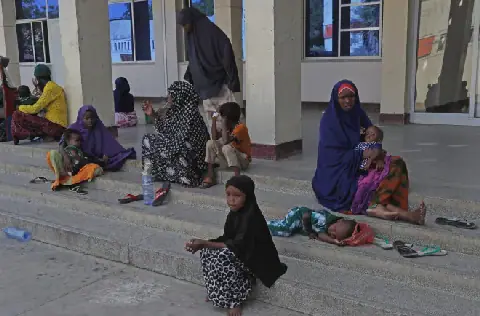
In Bangladesh, representatives of textile workers have rejected an offer from factory owners to increase the minimum wage. The country's textile industry, which is a significant contributor to its economy, has been experiencing protests and strikes due to rising living costs and energy prices. The workers are demanding a higher minimum wage to cope with the increasing costs.
The textile industry in Bangladesh employs around four million people, with the majority being women. The industry generates over 80% of the country's foreign earnings, producing clothing for well-known brands in Europe and the United States. However, workers have been protesting and striking to demand better wages, citing the high cost of living and increasing energy prices.
According to reports, the workers are seeking a minimum monthly wage of 22,000 taka (approximately $160 USD), while factory owners have offered 15,700 taka (approximately $115 USD). The negotiations between the two parties are ongoing, with the government intervening to try to reach a resolution. The protests and strikes have resulted in significant losses for the industry, with estimates suggesting over $428 million in losses.
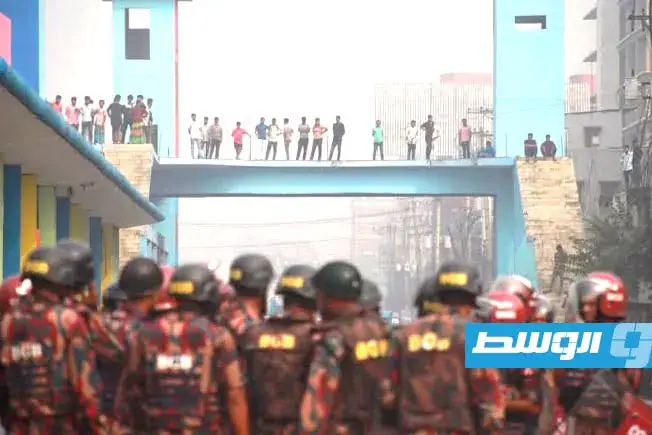
Clashes broke out between workers and security forces in the Gazipur area of Dhaka, the capital city, as workers blocked roads to protest the offer. The government has set up a committee to negotiate a resolution, but so far, no agreement has been reached. The workers' demands are centered around improving their living standards, which have been severely impacted by the rising costs of living.
The Bangladesh government has been trying to address the workers' concerns, but the negotiations have been challenging. The country's textile industry is a significant contributor to its economy, and any disruptions can have far-reaching consequences. The workers' protests and strikes have highlighted the need for better labor protections and fair wages in the industry.
The international community has been watching the developments in Bangladesh closely, with many organizations and brands calling for better labor conditions and fair wages. The country's textile industry has faced criticism in the past for its labor practices, and the current protests have brought attention to the need for reforms. The outcome of the negotiations will have significant implications for the industry and the workers.
The negotiations between the workers and factory owners are ongoing, with the government playing a crucial role in trying to reach a resolution. The workers' demands for better wages and working conditions are reasonable, and it is essential that the industry takes steps to address their concerns. The future of Bangladesh's textile industry depends on finding a fair and sustainable solution that benefits both the workers and the industry.
Key points
- The workers are seeking a minimum monthly wage of 22,000 taka, while factory owners have offered 15,700 taka.