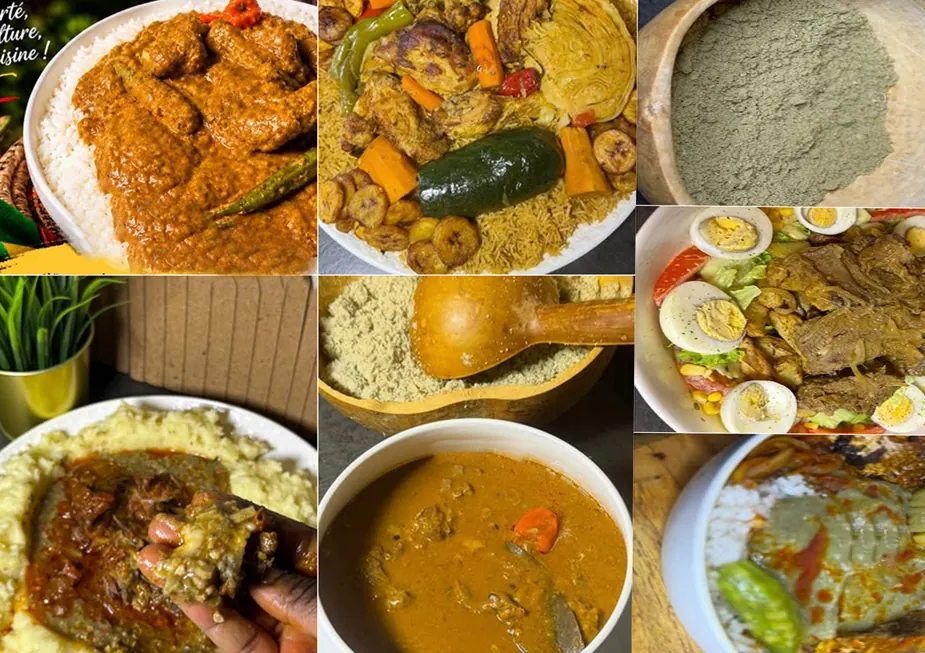
In Bamako, Mali's capital city, a diverse culinary scene is unfolding. Traditional regional dishes, international recipes, and local products coexist in the city's streets and households. This gastronomic exchange is transforming eating habits without erasing the country's culinary identity. The urban rhythm in Bamako favors quick meals, with cereal pancakes, fried doughnuts, brochettes, and local juices accompanying morning routines.
The city's menus now feature a mix of local and international options, including attiéké, spaghetti, and Senegalese-style rice. Despite this evolution, Mali's culinary heritage remains intact. Traditional ingredients like millet, sorghum, corn, rice, and fonio are being reimagined in modern dishes. Chefs are presenting these ingredients in new ways, opening up family recipes to a broader audience and showcasing the diversity of Malian cuisine.
Many traditional Malian dishes continue to hold a special place in the country's culinary landscape. The tigadèguèna, tô, djouka, and soumbala-based preparations remain familiar favorites. These dishes are preserved through the transmission of cooking techniques, the choice of ingredients, and the unique flavors that connect each dish to a specific region, season, or ceremony. This cultural heritage is a testament to Mali's rich culinary history.
Mali's cuisine has always been shaped by its cultural exchanges and trade routes. The ancient commercial routes brought together various grains, spices, and cooking techniques, influencing the country's culinary identity. In the north, the widjila and fakoye dishes reflect the region's Saharan and Songhai heritage. West African exchanges have also contributed to this culinary melting pot, with dishes like riz au gras and attiéké becoming staples in Bamako's urban cuisine.
Local grains continue to play a central role in Malian cuisine. The tô, prepared with millet, sorghum, or corn, is often served with gombo or baobab leaf sauces. Fonio, an ancient West African grain, remains prized for its fineness and versatility. The soumbala, obtained through the fermentation of néré seeds, gives sauces a distinct identity. The fakoye, made with dried corète leaves, is a iconic dish from the north.
The evolution of Malian cuisine is also reflected in the changing availability of certain ingredients and dishes. According to Diomansi Bomboté, a long-time journalist, some products like attiéké have become ubiquitous, while others, like djènèba Sidibé's datou condiment, have become less visible. This shift highlights the importance of preserving traditional recipes, supporting local producers, and promoting Malian cuisine.
As Mali's culinary scene continues to evolve, it is essential to recognize the value of transmission and cultural heritage. By sharing recipes, supporting local producers, and celebrating Malian cuisine, the country can ensure that its culinary identity remains vibrant and dynamic. With its unique blend of traditional and international flavors, Malian cuisine is poised to continue thriving, reflecting the country's rich cultural history and its people's love for good food.
Key points
- Malian cuisine is a blend of traditional and international flavors
- Local grains like millet, sorghum, and fonio remain central to Malian cuisine
- The transmission of cooking techniques and cultural heritage is crucial to preserving Malian culinary identity