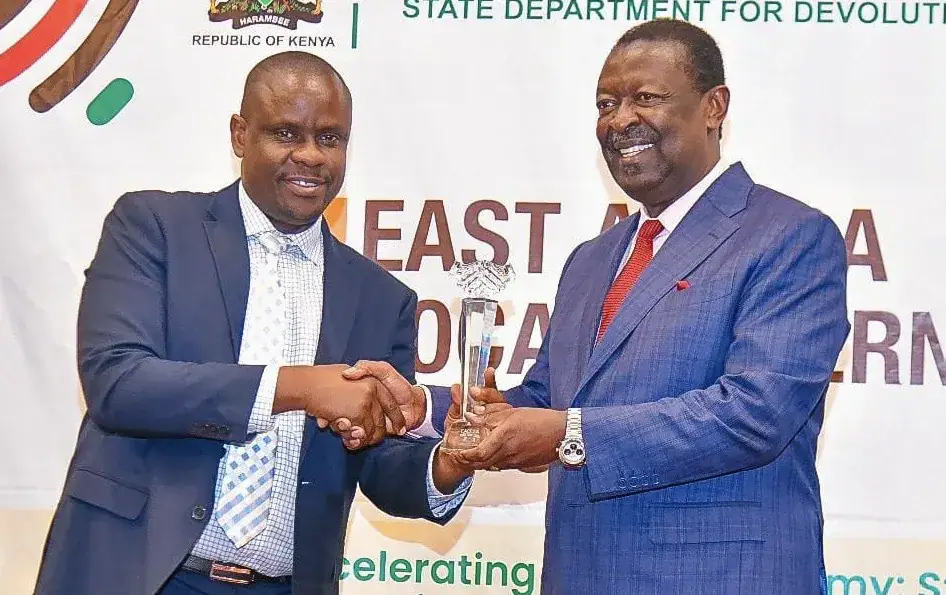
Balaam Barugahara, in his address at the East African Local Government Forum, emphasized the need for stronger and better-funded local governments across East Africa. He stated that decentralization cannot yield meaningful results without adequate resources, competent personnel, and effective accountability systems. Barugahara highlighted that local governments are crucial for implementing national development programs, particularly in healthcare, education, agriculture, infrastructure, and access to clean water.
Despite Uganda's decentralization policy, which transferred planning, budgeting, and implementation responsibilities to local governments, challenges persist, including staffing, financing, and coordination issues that affect service delivery. Barugahara called for addressing these challenges to enhance the capacity of local authorities to fulfill their responsibilities. He also expressed concerns over corruption and the misuse of public funds intended for essential services, advocating for stronger financial controls and oversight at the local government level.
Barugahara stressed the importance of local governments in supporting wealth creation and economic development, beyond just delivering public services. He cited Uganda's Parish Development Model as a government program aimed at bringing economic opportunities closer to communities. Barugahara encouraged local authorities to ensure that beneficiaries receive necessary support and that allocated funds are properly managed. He identified investments in rural roads, agricultural markets, storage facilities, irrigation, and productive financing as vital for supporting local economic activity.
The East African Local Government Forum brought together local government leaders, policymakers, and development partners from across East Africa to discuss common challenges affecting decentralization and public service delivery. Barugahara noted that countries in the region face similar pressures, including rapid urbanization, unemployment, infrastructure gaps, climate change, and limited financing for local authorities. He encouraged delegates to share experiences in digital governance, revenue mobilization, urban planning, citizen participation, and alternative financing arrangements.
Barugahara emphasized the need for stronger cooperation among local governments to support the East African Community's wider regional integration agenda. He challenged participating countries to focus on implementing policies and measuring their impact on communities. According to Barugahara, the success of local governments should be measured by the positive change they bring to people's lives, not just by the number of meetings held or policies written.
Barugahara officially opened the forum, urging delegates to develop practical solutions to the challenges facing local governments across East Africa. He called for workable recommendations that participating countries can adopt to improve service delivery, strengthen accountability, and support economic development at the community level. The forum aimed to foster collaboration and knowledge sharing among local government leaders to address common challenges.
The call for stronger local governments comes as East African countries strive to enhance service delivery and economic development. By addressing the challenges facing local governments, the region can move closer to achieving its development goals.
Key points
- Barugahara calls for adequate funding, competent personnel, and effective accountability systems for local governments.
- Local governments are central to implementing national development programs in healthcare, education, and infrastructure.
- Barugahara urges stronger cooperation among local governments to support regional integration and development.