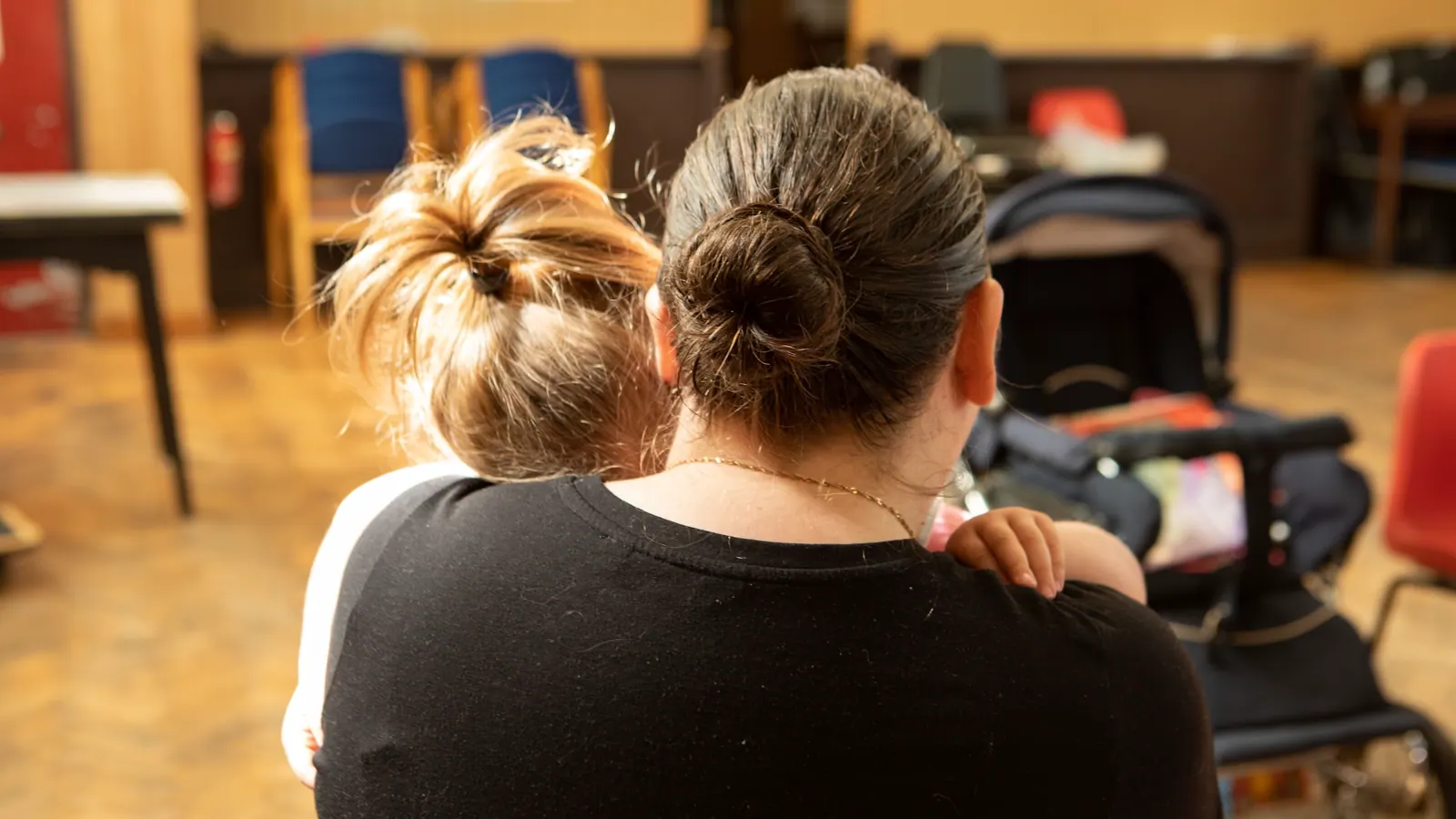
In the UK, a growing number of families are relying on baby banks to access essential items such as nappies, cots, and buggies. These community-run services have become a vital lifeline for parents in crisis, providing support when they need it most. With over 400 baby banks operating across the country, they distributed 19 million essential items and supported 400,000 children in 2025 alone.
The expansion of the Healthy Babies programme to all Family Hubs is a step in the right direction, but experts argue that more needs to be done to support baby banks. These services are increasingly being relied upon by statutory services and professionals, but they remain largely invisible in national policy, funding, and strategic decision-making. As a result, baby banks are often forced to operate with limited resources, despite their critical role in supporting families in crisis.
Baby banks are not just providing essential items; they are also offering a sense of community and connection for families in need. Many services are now responding to children without beds, families in crisis arriving in temporary accommodation, and providing vital support to help them get back on their feet. Professionals, including midwives, recognize the importance of baby banks, with one midwife noting that they have "changed many lives."
Despite their growing importance, baby banks are not listed as an eligible form of crisis support in the Crisis and Resilience Fund, and they were not mentioned in the government's Child Poverty Strategy. This lack of recognition has significant implications for the long-term sustainability of these services, which are often reliant on donations and volunteer labor.
There are signs that this could be changing, with some local authorities and Family Hubs beginning to collaborate with baby banks. In Leeds, for example, the local baby bank hosts a Health Equity Midwives drop-in at their Community Hub, providing pregnant women with access to maternity support and connecting them with other local services.
The importance of devolution and local flexibility in supporting baby banks cannot be overstated. Different regions have different needs, and local leaders are best placed to understand what works in their communities. In Sheffield, for example, Baby Basics has worked with the South Yorkshire Mayor on a project to provide safe places to sleep for children.
As the demand for baby banks continues to grow, it is clear that they are a critical service that policymakers can no longer afford to ignore. By working together, baby banks, local authorities, and Family Hubs can provide vital support to families in crisis, helping to reduce financial stress, promote healthy routines, and improve outcomes for young children.
Key points
- Baby banks distributed 19 million essential items and supported 400,000 children in 2025.
- Over 400 baby banks operate across the UK, providing a vital lifeline for families in crisis.
- Local collaboration and devolution are key to supporting the long-term sustainability of baby banks.