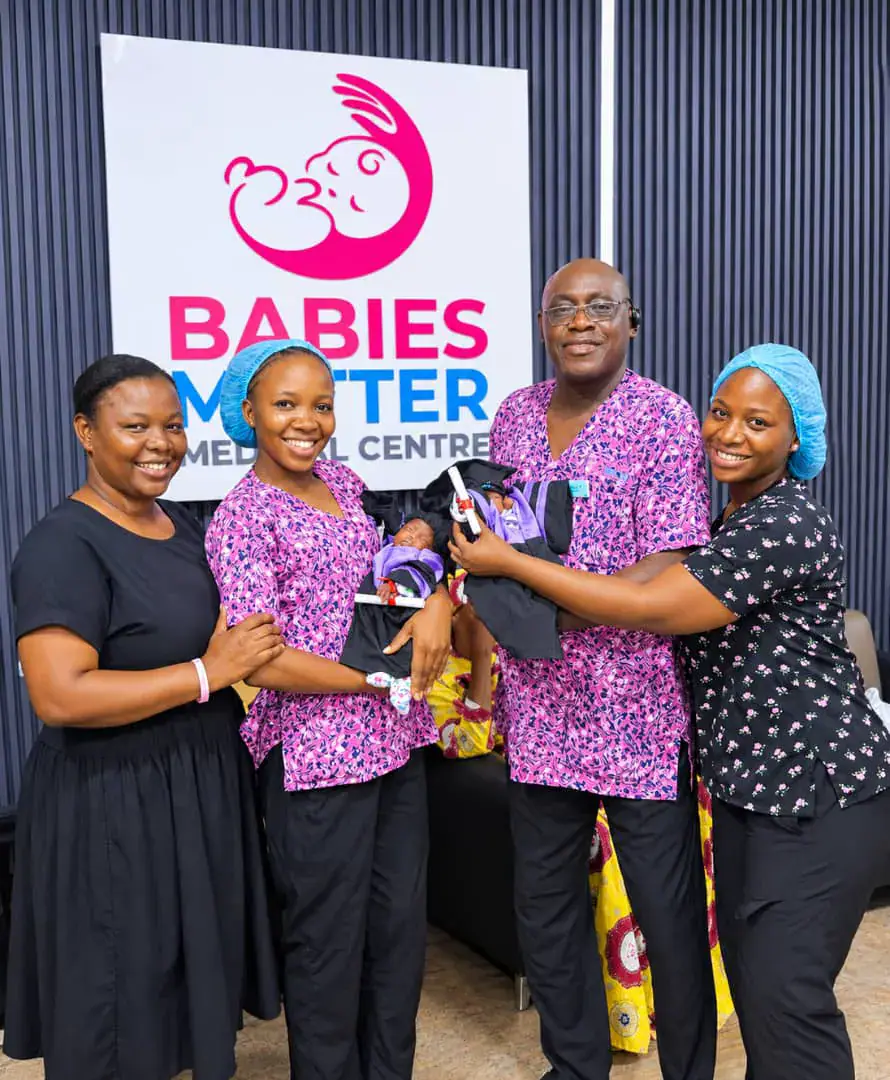
Babies Matter Medical Centre (BMMC) in Lagos, Nigeria, has achieved a significant medical milestone by successfully discharging twin babies born at 24 weeks of gestation. The babies, weighing 550 grammes and 740 grammes respectively, spent 87 and 85 days in the neonatal intensive care unit before being discharged. This achievement is notable given the complications associated with caring for extremely premature babies, particularly in a resource-constrained environment like Nigeria.
According to Dr. Zainab Mudasiru, co-founder and Clinical Lead of BMMC, babies born at 24 weeks are considered to be at the threshold of viability and survival, even in developed countries. They require intensive medical intervention and specialised neonatal care to survive. Dr. Mudasiru mentioned that even in the UK, the maximum survival rate for babies born at 24 weeks gestation is around 70 per cent. This highlights the challenges faced by hospitals in Nigeria, where resources may be limited.
Extremely premature babies, like the twins discharged by BMMC, face several medical complications. These include severely underdeveloped lungs, fragile brains vulnerable to bleeding, immature gastrointestinal systems, and high susceptibility to infections. Dr. Mudasiru noted that these challenges are compounded in a limited resource environment like Lagos, Nigeria, where there are still many obstacles to delivering expert neonatal care.
Despite these challenges, the medical team at BMMC successfully managed the twins until they were strong enough to return home. Dr. Mudasiru commended her team for their dedication and collaborative efforts, which were instrumental in the twins' survival. She also expressed gratitude to God for the success and mentioned that another set of 24-week twins is currently being cared for at the facility, with both babies doing well.
The mother of the discharged twins, Mrs. Temitayo Fagbemi, expressed her gratitude to BMMC for giving her babies a chance to survive. She initially lost hope when they were born at 24 weeks but was comforted by the hospital's expert care. Fagbemi recalled being devastated by the babies' extremely low birth weights, fearing they would not survive. However, as she witnessed the care provided by the hospital, her confidence in their survival gradually improved.
Fagbemi's story is a testament to the critical role that specialised medical facilities like BMMC play in Nigeria. The hospital's ability to provide intensive care to extremely premature babies is a significant advancement in the country's healthcare sector. By offering expert neonatal care, BMMC is helping to improve the survival rates of premature babies in Nigeria.
Dr. Mudasiru has urged pregnant women and hospitals anticipating premature deliveries to contact BMMC so that its neonatal team can be prepared to provide immediate specialist care. This proactive approach can significantly improve the chances of survival for premature babies. With its recent success, BMMC continues to demonstrate its commitment to providing high-quality medical care to vulnerable patients in Nigeria.
Key points
- The survival of the twins is a significant medical achievement, considering the complications associated with caring for extremely premature babies in a resource-constrained environment like Nigeria.
- Babies born at 24 weeks gestation require intensive medical intervention and specialised neonatal care to survive, with a maximum survival rate of around 70 per cent in the UK.
- BMMC's success in discharging the twins highlights the critical role that specialised medical facilities play in improving the survival rates of premature babies in Nigeria.