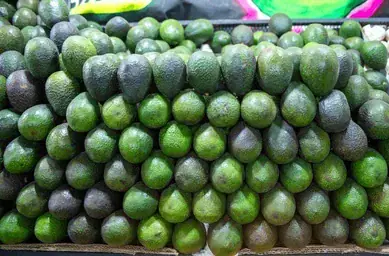
In Niger's capital city, Niamey, the consumption and commercialization of avocados are experiencing significant growth. Despite the Sahelian climate being unfavorable for avocado cultivation, the fruit is becoming increasingly popular in Niamey's markets and households. A new generation of health-conscious consumers is driving this demand, with avocados now being consumed by a wider range of people, including the middle class and young urban dwellers.
The profile of avocado consumers in Niamey has changed over time. Previously, avocados were considered a luxury fruit, but today they are more widely consumed. People are eating avocados fresh, with salt or sugar, in salads, or as part of sandwiches. The motivation for this increased consumption is largely nutritional, as people become more aware of the health benefits of avocados, including their richness in good lipids, vitamins E and B, and their positive effect on cholesterol.
The avocado market in Niamey relies heavily on imports, mainly from countries with more humid climates, such as Nigeria, Benin, Ghana, Cameroon, and Côte d'Ivoire. The majority of avocado shipments arrive at the Grand Marché and Katako market, where wholesalers distribute them to retailers. These retailers then sell the avocados in neighborhood markets, such as Wadata and Harobanda, or through street vendors at major intersections.
Nassirou Idi, a young avocado vendor at Niamey's small market, has been in the business since 2021. He regularly sources his avocados from the Katako market. According to him, there has been a significant increase in avocado demand over the past two years, particularly among women and restaurateurs. Idi sells avocados at 2,000 F per kilogram and 1,000 F per half kilogram, although prices can fluctuate depending on the season.
However, avocado vendors face challenges, including price volatility and difficulties with conservation. Prices vary greatly depending on the season in producing countries, and transportation costs can drive up prices during periods of scarcity. In Niamey, the lack of a cold chain results in significant losses, as vendors must sell their avocados within 2-3 days of ripening. Vendors like Aicha, a 35-year-old seller, struggle with these challenges, citing the difficulties of managing avocado quality and prices.
Abdel Razak Bello, a nutritionist, highlights the numerous health benefits of avocados. According to him, avocados are rich in vitamins A and C, as well as minerals like sodium and potassium. They also contain essential acids and dietary fiber, which can help prevent certain diseases, including cardiovascular conditions and digestive problems. Bello notes that moderate avocado consumption can have positive effects, but excessive consumption may lead to minor issues, such as softened stools.
As avocado consumption continues to grow in Niamey, vendors and consumers alike are adapting to the changing market. While challenges persist, the increasing demand for avocados is likely to have a positive impact on the local economy and public health. With their rich nutritional profile and versatility, avocados are becoming an integral part of the diets of Niamey's residents, particularly among the city's growing population of health-conscious consumers.
Key points
- Avocado consumption in Niamey is driven by health-conscious consumers seeking the fruit's nutritional benefits.