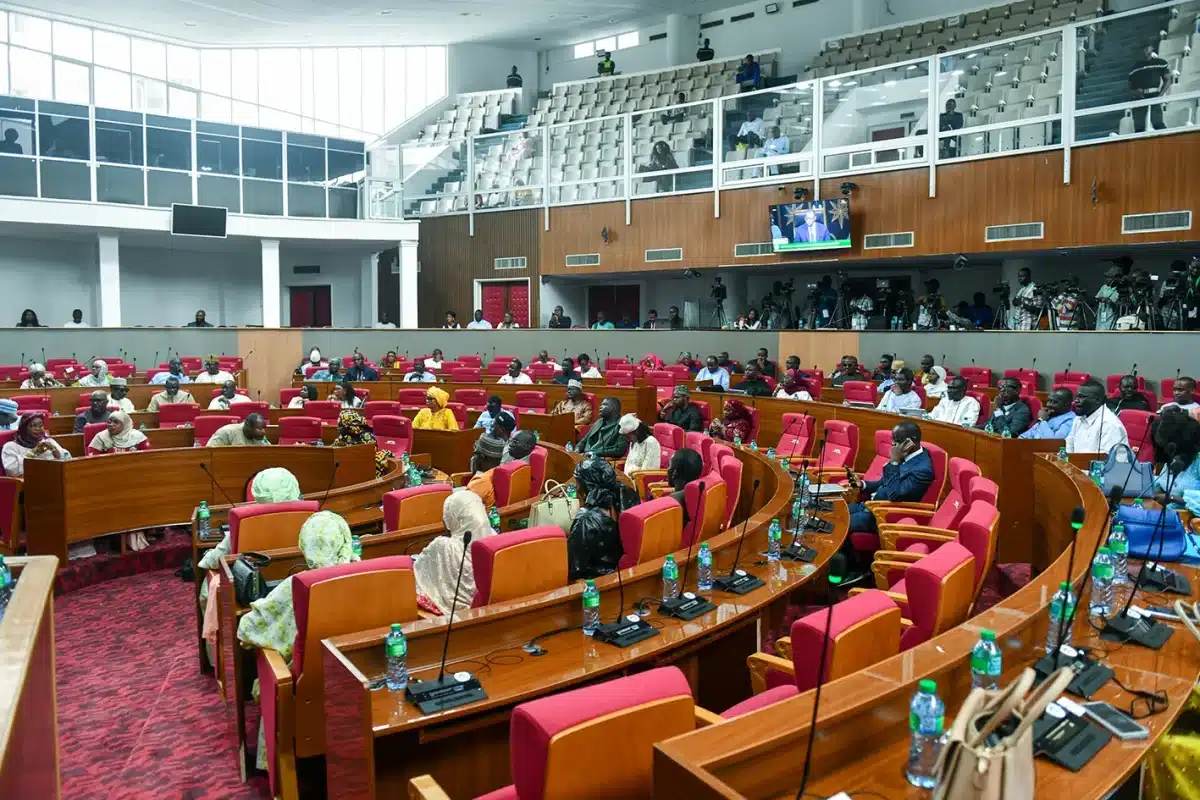
The Senegalese National Assembly has announced that it will continue hearings on October 7, 2026, as part of its parliamentary inquiry into alleged irregularities in the procurement and execution of contracts for the "One Student, One Computer" program. This initiative aims to provide computers to students, but has been marred by controversy. The hearings are a crucial step in uncovering the truth behind the allegations.
According to the National Assembly, the schedule for October 7, 2026, includes hearings with several key individuals. Mountaga Dia, the former coordinator of the market procurement cell at the Ministry of Higher Education, Research, and Innovation, will be the first to testify. His insights are expected to shed light on the procurement process.
Following Mountaga Dia's testimony, Abdou Kadri Diatta, president of the Market Procurement Commission at the Ministry of Higher Education, Research, and Innovation, will be heard. His role in the commission's activities makes his testimony particularly relevant to the inquiry. The hearings will also include El Hadji Ndiaga Kane and Cheikh Diop, inspectors of administrative and financial affairs.
The inspectors, El Hadji Ndiaga Kane and Cheikh Diop, were part of the internal inspection team at the Ministry. Their experience and knowledge of the ministry's internal workings are expected to provide valuable insights during the hearings. The sequence of testimonies suggests that the inquiry is meticulously structured to cover various aspects of the program's implementation.
Saliou Abdoulaye Ngom, the director general of General Administration and Equipment, will conclude the day's hearings. His position suggests that he may provide information on the logistical and administrative aspects of the program. The series of hearings indicates a comprehensive approach to investigating the allegations.
The "One Student, One Computer" program was initiated to support students with educational resources. However, it has faced criticism and allegations of irregularities in contract procurement and execution. The parliamentary inquiry aims to address these concerns, ensure transparency, and hold accountable those responsible for any malfeasance.
The inquiry's proceedings are being closely watched by the public and stakeholders in the education sector. Transparency and accountability in the management of public programs are critical for maintaining public trust. The National Assembly's efforts to investigate and address any wrongdoing are seen as steps in the right direction.
Key points
- The Senegalese National Assembly continues its inquiry into the "One Student, One Computer" program on October 7, 2026, with a series of hearings.
- Key officials from the Ministry of Higher Education, Research, and Innovation are testifying.
- The inquiry aims to uncover the truth behind allegations of irregularities in the program's procurement and execution processes.