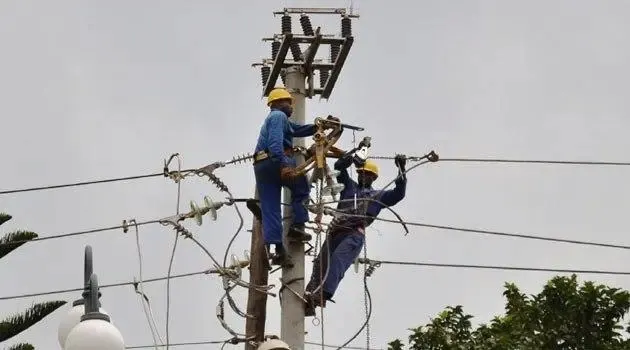
The Senegalese government has set a goal to achieve universal access to electricity by 2029. To support this ambition, partners have pledged 998 billion FCFA in commitments. This move aims to accelerate electrification in underserved areas. The Ministry of Energy and Petroleum organized a roundtable discussion, bringing together technical and financial partners, as well as the private sector. The meeting resulted in significant financial pledges to support the government's electrification plans.
As of 2024, Senegal's national electricity access rate stands at 86.2%. Out of 25,725 recorded localities, 12,683 are already electrified, and 6,571 have ongoing projects. However, 6,471 localities remain to be covered, affecting nearly one million people. Initially, the financial needs for this final stage were estimated at around 400 billion FCFA. The recent commitments far exceed this initial estimate, demonstrating strong support for Senegal's electrification goals.
Technical and financial partners have committed 181 billion FCFA to new electrification projects. The private sector has pledged 817 billion FCFA, with potential additional offers from other sources. These commitments will help bridge the gap in electricity access, particularly in rural and underserved areas. The government's goal is to improve living conditions and support economic activities in these regions.
Universal electricity access is a key priority for the Senegalese government, seen as essential for territorial equity and economic transformation. Achieving this goal will require effective collaboration between all stakeholders, including the government, private sector, and development partners. The Ministry of Energy and Petroleum will likely play a crucial role in coordinating these efforts and ensuring the successful implementation of electrification projects.
The current rate of electrification progress indicates that significant work remains to be done. With 6,471 localities still awaiting electrification, the government faces a substantial challenge. However, with the recent financial commitments, there is optimism that Senegal can meet its 2029 target. Ongoing monitoring and evaluation of the electrification process will be essential to track progress and address any emerging challenges.
Senegal's efforts to achieve universal electricity access align with broader development goals, including reducing poverty and promoting economic growth. Access to electricity is seen as a critical factor in improving living standards, supporting education and healthcare, and fostering economic development. By prioritizing electrification, the government aims to create a more equitable and prosperous society.
The government's commitment to achieving universal electricity access by 2029 reflects its recognition of the importance of energy in driving development. With strong support from partners and the private sector, Senegal is well-positioned to make significant progress toward this goal. Ongoing efforts to mobilize additional resources and expertise will be crucial in ensuring the successful implementation of the country's electrification plans.
Key points
- The Senegalese government has secured 998 billion FCFA in commitments to support its goal of achieving universal electricity access by 2029.
- As of 2024, Senegal's national electricity access rate stands at 86.2%, with 6,471 localities remaining to be covered.
- The private sector has pledged 817 billion FCFA to support Senegal's electrification goals, with technical and financial partners committing an additional 181 billion FCFA.