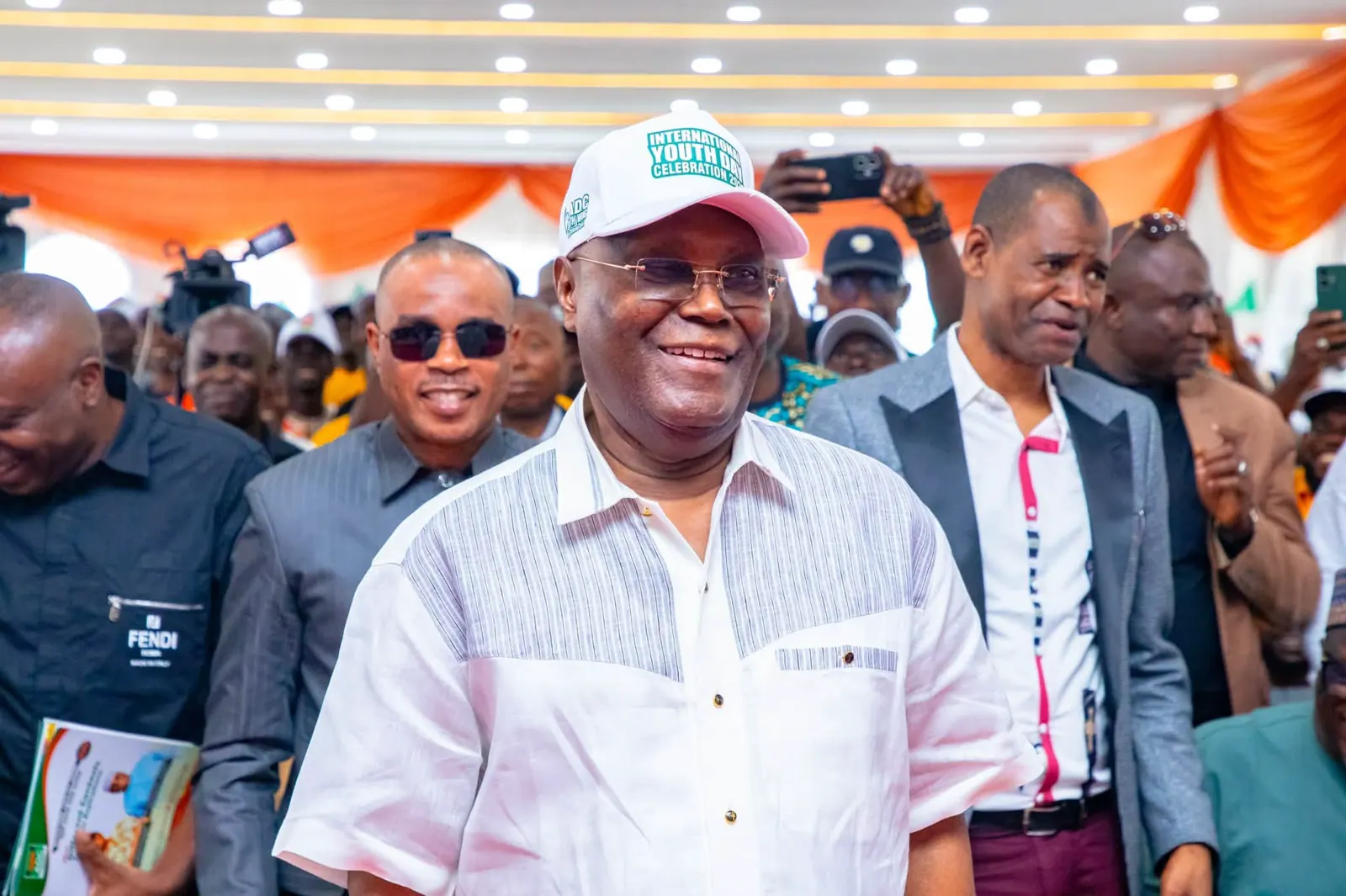
Former Vice President Atiku Abubakar has urged President Bola Tinubu to increase Nigeria's minimum wage, stating that the current N70,000 wage is insufficient to meet the basic needs of workers. Atiku, the presidential candidate of the African Democratic Congress (ADC) for the 2027 election, made the demand in a statement issued on Sunday by Phrank Shaibu, director of Strategic Communications of the ADC Presidential Campaign Council. Atiku argued that the increase in the minimum wage in 2024 has been overtaken by the rising cost of living.
Atiku compared the purchasing power of the old and new wages using petrol prices, noting that N30,000 could buy about 118 litres of petrol in April 2023, while N70,000 can only buy 50 litres at the current price of about N1,400 per litre. He blamed the pressure on households partly on the removal of petrol subsidy by the Tinubu administration, arguing that the policy was implemented without adequate protection for workers. Atiku stated that the government should have provided a safety net for workers before removing the subsidy.
The former vice president challenged Mr. Tinubu to agree to a "substantial" increase in the minimum wage based on the current cost of food, transport, rent, and electricity. He said workers should not be made to wait through prolonged negotiations while their purchasing power continues to decline. Atiku also proposed a targeted production subsidy for petroleum products refined in Nigeria and sold to Nigerian consumers, subject to a spending cap, public accounting, and independent auditing.
Atiku promised to begin work on increasing the wage floor if elected president in 2027. He stated that his policies would protect the people, support Nigerian production, deliver relief at the pump, and provide targeted help to those hit hardest by the cost-of-living crisis. The proposal comes amid a renewed debate over how to cushion Nigerians from rising fuel prices.
The APC Presidential Campaign Council has challenged Atiku to provide details of the legal, fiscal, and operational framework for the proposed subsidy, including its cost, funding source, and safeguards against diversion and fraud. The Centre for the Promotion of Private Enterprise has warned against a return to a universal petrol subsidy, arguing that such an arrangement could place significant pressure on public finances.
Atiku maintained that wage increases must be accompanied by measures to reduce the cost of essential goods and services. He said increasing salaries without addressing the underlying cost pressures would offer only temporary relief. The former vice president stated that his proposed policies would combine higher wages with targeted social protection, support for domestic production, and measures to stabilise the cost of essential goods and energy.
The demand comes as organised labour and sections of the workforce have also argued that the N70,000 minimum wage has lost significant purchasing power. Some states have since approved wages above the national minimum, including Imo, which raised its minimum wage to N104,000. The National Minimum Wage Act provides for a review of the national minimum wage every three years, meaning the next statutory review falls within the period of the 2027 general election campaign.
Key points
- Atiku Abubakar urges President Bola Tinubu to increase Nigeria's minimum wage due to rising cost of living.
- The former vice president proposes a targeted production subsidy for petroleum products refined in Nigeria.
- Atiku promises to begin work on increasing the wage floor if elected president in 2027.