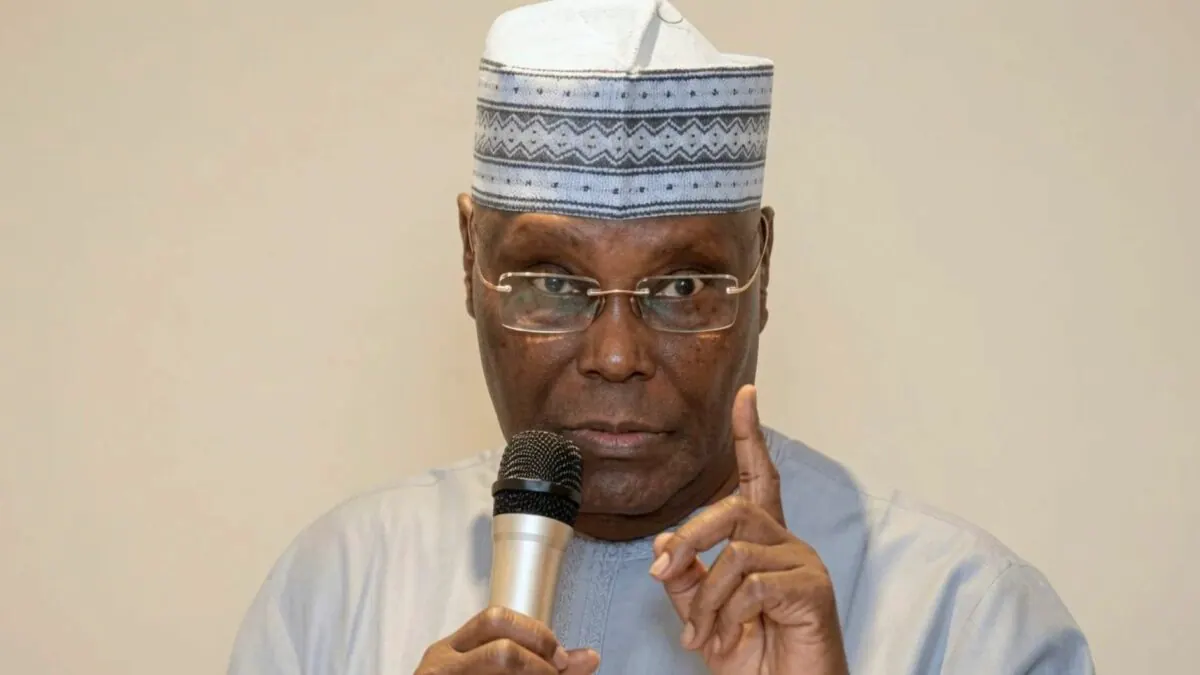
The Tinubu Support Group (TSG) has expressed concerns that former Vice President Atiku Abubakar's plan to reverse the federal government's fuel subsidy reform could have severe consequences for Nigeria's economy. According to TSG's director-general, Dr Umar Tanko Yakasai, such a move could set Nigeria back by 20 years. The group accused Atiku of playing politics with the issue ahead of the 2027 general elections.
The TSG warned that reversing the subsidy reform could create uncertainty among investors and negate some of the gains recorded since the reform. Nigerians should be cautious of political promises that could undermine the economic reforms undertaken by the President Bola Tinubu administration, particularly the removal of fuel subsidy. The group emphasized that Nigeria had already gone through the difficult phase of subsidy reform and could not afford to return to a system that would place a heavy financial burden on the government.
Dr Yakasai argued that the federal government no longer had the resources required to sustain the subsidy regime, stressing that attempting to restore it could further strain the country's finances. He noted that the subsidy debate should not be reduced to an electoral promise, given its implications for the country's fiscal position and long-term economic stability. The TSG director-general also criticized Atiku's media team for repeated clarifications following the former vice president's comments.
The changing explanations from Atiku's camp had raised questions about the opposition leader's actual position on the policy. Some claims from the former vice president's camp suggested that Atiku might not intend to reverse the subsidy reform as Nigerians initially understood. The TSG questioned Atiku's consistent stand on the removal of fuel subsidy since 1999, beginning with the Obasanjo presidency, where he served as Vice President and Chairman of the National Economic Council.
The group asked, "The question Nigerians should ask is when did Atiku change his longstanding position on fuel subsidy removal, which he has held for over two decades, and what has changed to warrant the sudden reversal of policy on subsidy." The TSG director-general cautioned opposition politicians against making promises that could raise unrealistic expectations among Nigerians or unsettle investors.
Nigerians were urged to be wary of false promises by desperate politicians who want to win elections at all costs, without genuine intentions to implement the policies they campaign on. The TSG noted that Nigeria had begun to emerge from the economic difficulties associated with decades of dependence on fuel subsidy, adding that reversing the policy could undermine ongoing efforts to rebuild the economy.
The TSG director-general urged Nigerians to scrutinise political promises ahead of the 2027 elections, particularly those relating to fuel prices and subsidies, and consider their implications for the country's financial sustainability. He said economic indicators showed that Nigeria was beginning to recover from past economic challenges.
Key points
- The Tinubu Support Group warns that reversing fuel subsidy reform could set Nigeria back 20 years.
- Atiku Abubakar's plan to reverse fuel subsidy reform could create uncertainty among investors.
- Nigeria has begun to emerge from economic difficulties associated with decades of dependence on fuel subsidy.