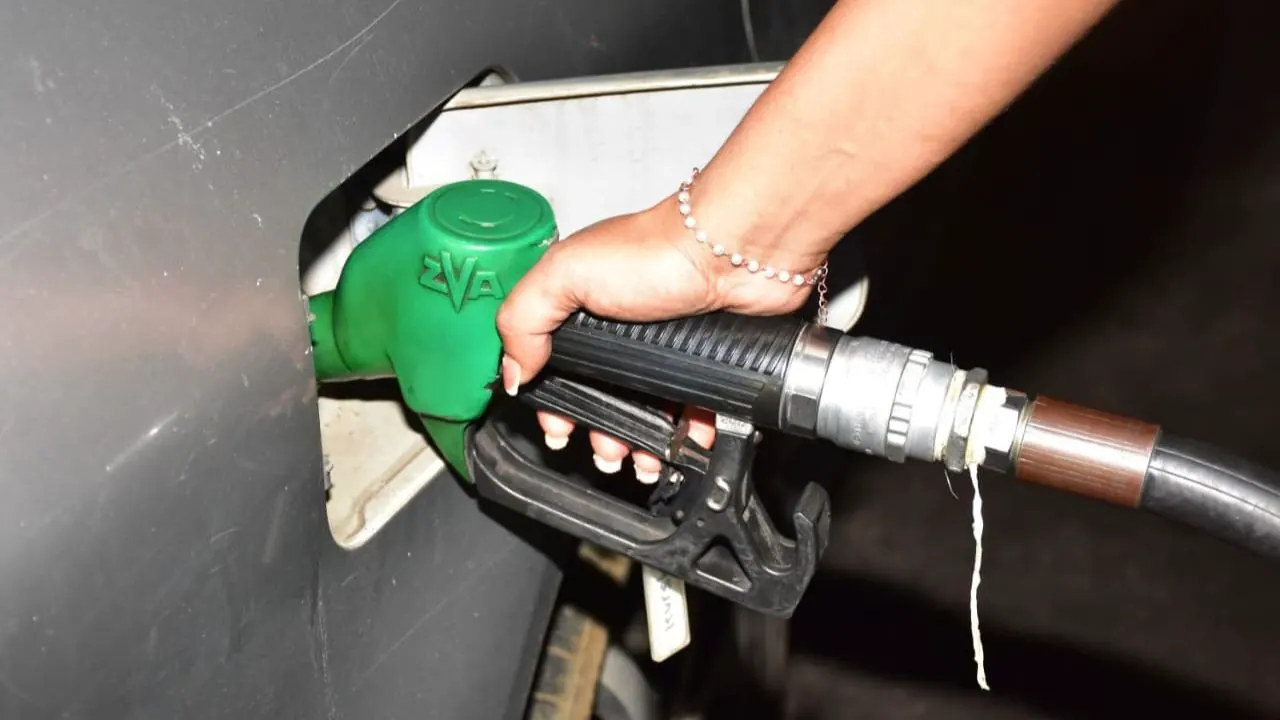
The State Trading Corporation of Mauritius announced that from September 29, 2026, petrol will cost Rs 77.70 per litre and diesel will cost Rs 78.35 per litre. This represents an increase of Rs 7.05 for petrol and Rs 7.10 for diesel compared to the previous prices of Rs 70.65 for petrol and Rs 71.25 for diesel. The price hike is attributed to the ongoing war between Iran and the US, which has put pressure on international oil markets.
The increase in fuel prices has raised concerns about the impact on household expenses in Mauritius. With 761,531 registered vehicles in the country, many Mauritians rely heavily on vehicles for daily commuting. The increase in fuel prices may seem modest, but it can have a significant impact on household budgets. For example, a family using 120-150 litres of fuel per month could face an additional Rs 840 to Rs 1,050 in monthly expenditure.
The middle-class households are likely to be squeezed by the increase in fuel prices. These households may not be eligible for targeted assistance, but they may not have the capacity to absorb the increases either. A family with two children, where one parent drives to Ebene and the other works elsewhere on the island, may have sufficient income to avoid certain forms of assistance, but not enough to comfortably absorb every increase.
The impact of fuel-price increases is not limited to motorists. Fuel is an important input into transportation, which supports the movement of people, food, agricultural produce, and other goods throughout the economy. When diesel becomes more expensive, businesses that depend heavily on fuel may face higher operating costs. The fisherman, planter, delivery operator, and contractor may all face higher costs, which could be passed on to consumers.
Policymakers are being urged to consider a social-impact assessment of the fuel-price increase. This could involve examining the effects on daily commuters, taxi operators, fishermen, agricultural producers, small businesses, and delivery operators. The impact will differ between households, but policymakers could consider targeted relief for those most exposed.
Other countries have implemented measures to cushion households from the impact of fuel-price increases. Singapore has used targeted cost-of-living support, including cash payments, rebates, and vouchers. New Zealand temporarily reduced fuel excise duty and road-user charges during the 2022 global energy crisis. While Mauritius has its own fiscal realities and economic structure, it could consider similar measures.
The fuel-price increase has sparked concerns about the human cost of adjustment and who bears it. Citizens are not just numbers, and the economic necessity of the price hike should not prevent a consideration of the impact on household budgets, business costs, transportation expenses, and purchasing power. The government may need to balance the economic reality of fuel-price increases with the need to protect vulnerable households.
Key points
- The fuel-price increase in Mauritius has sparked concerns about the impact on household expenses.
- The middle-class households are likely to be squeezed by the increase in fuel prices.
- Policymakers are being urged to consider a social-impact assessment of the fuel-price increase.