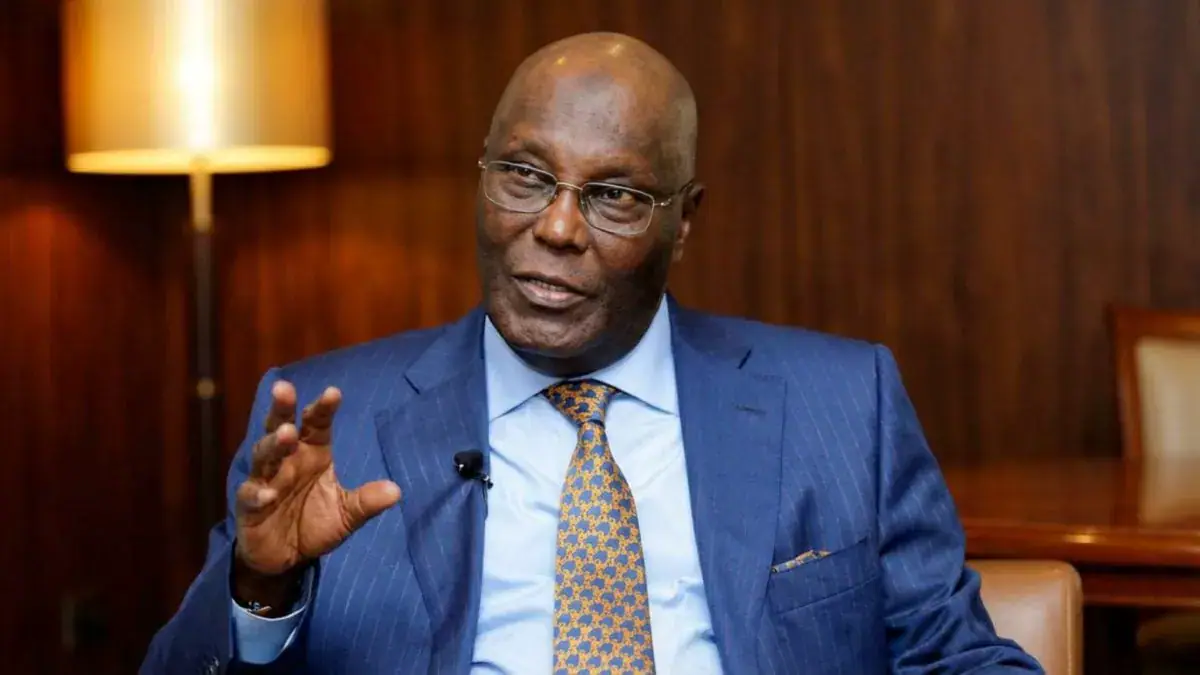
Atiku Abubakar, the presidential candidate of the African Democratic Congress (ADC), is encountering growing discontent among party leaders in the South-West region of Nigeria. The leaders, including state chairmen, governorship candidates, and other party officials, accuse Atiku of neglecting the party's established structures in the region ahead of the 2027 general election. They claim that Atiku has been conducting his political activities through personal friends and allies, rather than engaging with the party executives and structures.
The South-West region, comprising Lagos, Ogun, Oyo, Osun, Ondo, and Ekiti states, is considered crucial to Atiku's ambition of defeating President Bola Tinubu in 2027. Tinubu's political influence in the region is significant, and the 2023 presidential election results showed that he won Ogun, Oyo, Ekiti, and Ondo states, while Atiku secured Osun under the Peoples Democratic Party (PDP). The disagreement between Atiku and the South-West ADC leaders became pronounced during a meeting in Ibadan, Oyo State, on September 4, where they complained to the ADC National Secretary, Rauf Aregbesola, about being sidelined.
The meeting was reportedly heated, with members insisting that Atiku should recognize and respect the party structures that produced its candidates for the 2027 elections. They demanded clarification from the national leadership on whether Atiku intended to work with the party structures or preferred to conduct his political activities through personal associates. Atiku subsequently held a virtual meeting with South-West ADC leaders on September 5, reaffirming his commitment to the party and promising to address their concerns.
Atiku asked each state in the region to submit five names of party members for appointment to his presidential campaign committee, and some party insiders alleged that he was unwilling to commit sufficient financial resources to political activities in the region. An incident involving the six South-West state chairmen who traveled to Abuja for a meeting with Atiku on September 17, during which he allegedly refused to provide transport fare, further exacerbated tensions.
Some party officials and candidates have expressed concern about the lack of visibility of Atiku's campaign in the region, blaming the alleged failure to involve party structures. They argue that this has discouraged members who expected Atiku to give the region greater attention. The Chairman of the Association of ADC Local Government Chairmen in Lagos State, Adewole Ijaogbomo, accused some individuals of taking over Atiku's political activities in the state at the expense of established party leaders.
Ijaogbomo alleged that some of those championing Atiku's campaign were more interested in positioning themselves for access to campaign funds than strengthening the party. He urged Atiku to intervene before the disagreement affected the party's chances in the 2027 election. However, the South-West ADC Chairman, Akin Omole, dismissed suggestions that Atiku was deliberately marginalizing party members, arguing that the nature of the coalition made it necessary for Atiku to maintain relationships with political associates outside the party's formal structure.
Omole acknowledged that some of Atiku's friends and political allies had remained involved in his political activities but insisted that their participation should not be interpreted as an attempt to undermine the ADC. The party's performance in the 2027 election may depend on Atiku's ability to address the concerns of the South-West ADC leaders and engage with the party structures in the region.
Key points
- Atiku Abubakar faces dissent from South-West ADC leaders over allegations of sidelining party structures.
- The South-West region is crucial to Atiku's ambition of defeating President Bola Tinubu in 2027.
- Atiku has promised to address the concerns of the South-West ADC leaders and engage with party structures in the region.