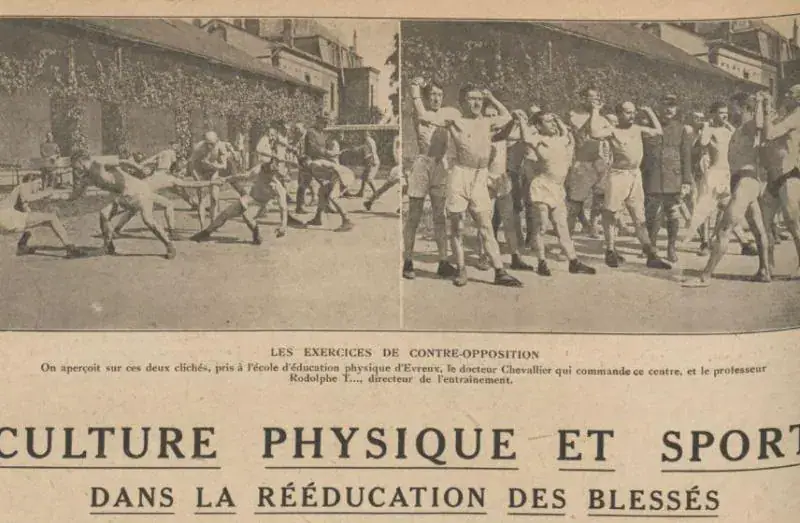
The outbreak of World War I in August 1914 saw a significant shift in the role of athletes in France. Henri Desgrange, director of the newspaper L'Auto, referred to the war as "Le grand match" in an editorial on August 3, 1914. Athletes, like all soldiers, were mobilized and expected to fight. Historian Camille Morata identified five categories of athletes, including famous figures like Georges Carpentier and Jean Bouin, as well as amateur sports enthusiasts.
The French press played a crucial role in tracking the mobilization of athletes during the war. L'Auto published a list of athletes who had been mobilized, including their names and regiments. For example, Eugène Christophe, a six-time French cyclo-cross champion, was deployed with the 119th line regiment. The press also investigated reports of athletes who were not immediately joining the war effort, with some, like Georges Carpentier, facing accusations of being "embusqués" or shirking their military duties.
Many athletes took on various roles in the military, depending on their skills and physical condition. Some, like Arnaud Massy, a skilled golfer, were incorporated into the navy due to their prior experience. Others, like Octave Lapize, a cyclist and Tour de France winner, initially served in the automotive services before becoming a combat pilot in 1917. Lapize was eventually killed in an aerial combat five months later.
The war effort also drew on the mechanical skills of many athletes, particularly cyclists and automobile racers. These skills facilitated their obtaining pilot's licenses, and an entire squadron of athlete-pilots was formed. The press widely covered the aerial combats involving these athletes, highlighting their bravery and skill.
Athletes' involvement in the war was not limited to combat roles. Some, like Georges Carpentier, were initially assigned to automotive services before being transferred to aviation. This transfer was partly due to Carpentier's celebrity status, which made his potential "embusquage" a subject of public interest.
The intersection of sports and war also had an impact on the way athletes were perceived and remembered. Historian Camille Morata's research highlights the diverse ways in which athletes contributed to the war effort and how their experiences were commemorated. The press played a significant role in shaping public perception, often portraying athletes as heroes who continued to excel in the face of adversity.
The legacy of athletes in World War I continues to be studied and remembered today. Morata's work, including his thesis on the commemoration of sports figures who died during the war, sheds light on the complex relationships between sports, nationalism, and memory. By examining the experiences of athletes during this period, researchers can gain a deeper understanding of the social and cultural context of the time.
Key points
- Athletes were mobilized like other soldiers during WWI, with many taking part in combat and others using their skills in military roles.