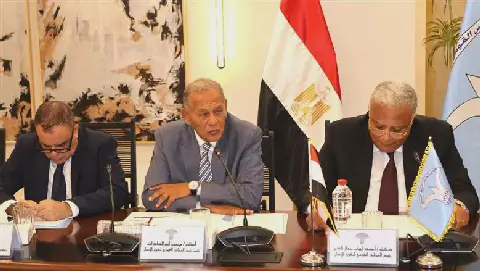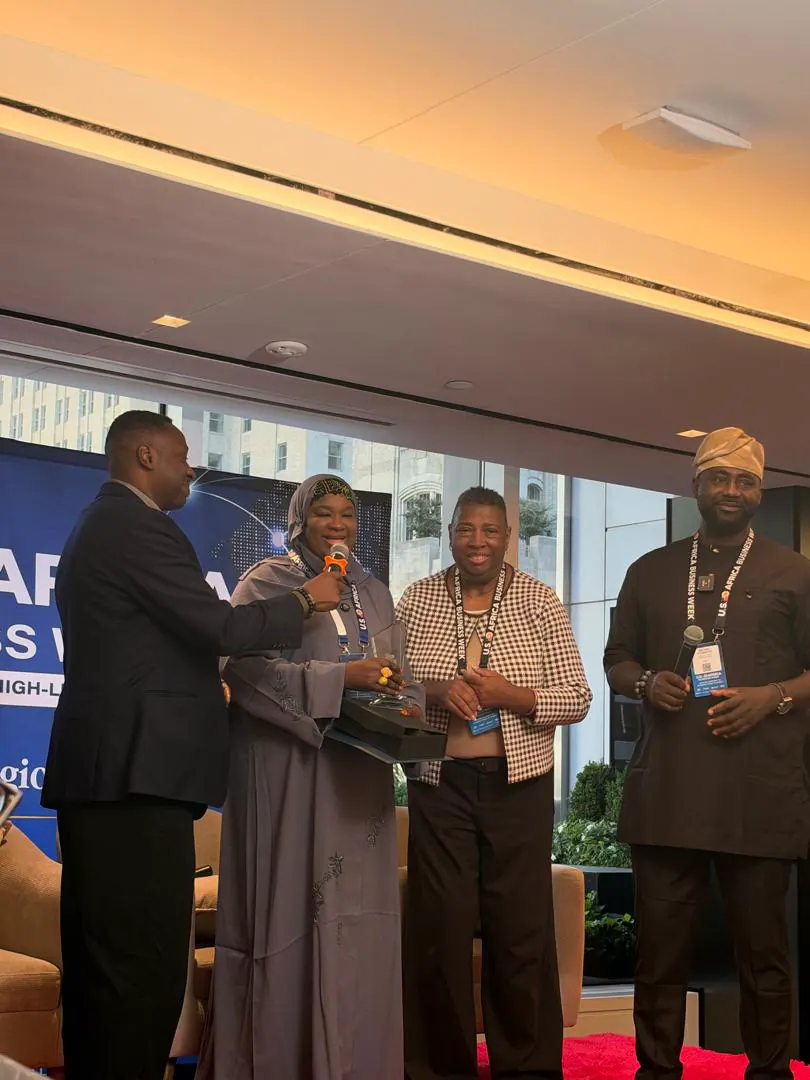
Nigeria's Minister of State for the Federal Capital Territory (FCT), Dr. Mariya Mahmoud, has emphasized that the true measure of good governance lies not in the power exercised by government, but in the safety, opportunities, and dignity enjoyed by citizens. She made this statement at the Resilience in Leadership and Governance Roundtable, held on the margins of the 2026 United Nations General Assembly. The roundtable focused on "Catalyzing Effective Governance and Human Security."
According to Mahmoud, governance must translate into visible improvements in the daily lives of citizens. She identified access to quality healthcare and education, safe transportation, efficient public services, economic opportunities, and the meaningful participation of women and young people as key indicators of effective governance. Mahmoud stressed that resilient leadership is more than just enduring a crisis; it is about learning, adjusting, and continuing to deliver essential services.
Mahmoud also highlighted the importance of human security, which goes beyond the absence of armed conflict. She noted that citizens can still be vulnerable due to hunger, illness, unemployment, displacement, and inadequate access to basic services. The minister called for sustained investment in critical sectors, including infrastructure, healthcare, education, livelihoods, and food security, as well as strengthening institutions that can reduce citizens' vulnerabilities.
The FCT administration, under the leadership of FCT Minister Nyesom Wike, is pursuing initiatives aimed at improving the quality of life of residents and making the nation's capital more responsive to the needs of its growing population. These initiatives include infrastructure renewal, improved transportation, healthcare, water supply, urban development, investment promotion, and social interventions.
Mahmoud also emphasized the need for the deliberate inclusion of women and young people in governance and development processes, stressing that their participation is essential to sustainable development. She advocated for responsible digital transformation to improve public service delivery and transparency while ensuring that citizens' personal data is adequately protected.
On Africa's development, Mahmoud urged African countries to take greater ownership of their development priorities, noting that international partnerships should strengthen African institutions rather than create dependency. She proposed the establishment of a continuing African governance peer-learning network to document successful reforms, strengthen institutional capacity, and track commitments made beyond international conferences.
Mahmoud concluded by stressing that sustainable governance requires leadership anchored on integrity, accountability, and service. She emphasized that public office comes with significant responsibility and must be exercised with integrity, humility, and a commitment to service.
Key points
- Good governance should prioritize citizens' safety, opportunities, and dignity.
- Resilient leadership is about learning, adjusting, and continuing to deliver essential services.
- Sustainable governance requires leadership anchored on integrity, accountability, and service.