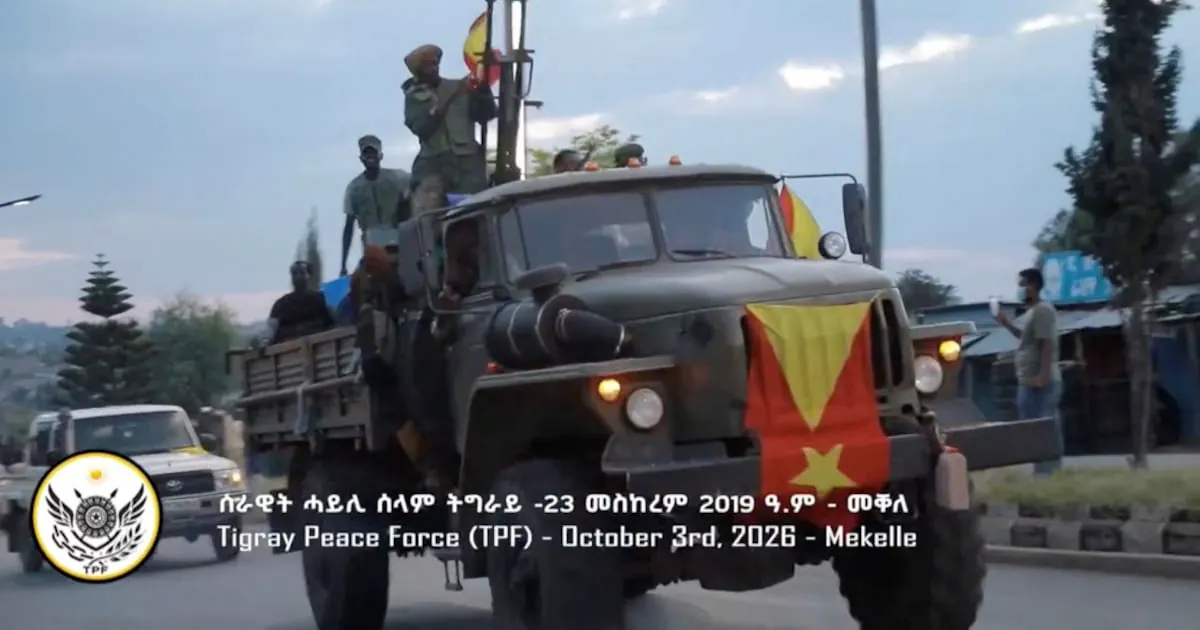
Air strikes and artillery fire have intensified in northern Ethiopia's Tigray region, with at least 17 people killed northwest of Tigray's capital Mekelle. According to a bulletin circulated among humanitarian groups, the clashes occurred between federal government forces and fighters loyal to the Tigray People's Liberation Front (TPLF). The TPLF is part of a rebel alliance aiming to overthrow Prime Minister Abiy Ahmed's government. The situation has raised fears of wider fighting and potential escalation into a regional conflict.
The conflict has already led to significant diplomatic repercussions. Ethiopia and Eritrea, which fought a border war from 1998 to 2000, severed diplomatic ties last week over allegations of support for the armed opposition. Eritrea has denied these allegations, but the move has heightened tensions between the two nations. Meanwhile, the leaders of Egypt, Eritrea, Sudan, and Somalia discussed the crisis during a meeting, agreeing to coordinate military and intelligence efforts if the conflict escalates to the borders Ethiopia shares with these countries.
The fighting, which began on September 23, is the worst escalation of violence since the 2020-2022 civil war in Tigray that resulted in hundreds of thousands of deaths. On Monday morning, Ethiopia's military and Tigrayan forces exchanged heavy artillery fire close to the Tekeze River near the town of Mai Tsebri. Overnight, air strikes killed at least nine people in Adwa and eight in Sheraro in northwestern Tigray. The humanitarian bulletin did not specify who launched the bombardment.
In Mekelle, which Tigrayan forces left without a fight, daily life was slowly returning to normal. Shops reopened, and phone and internet access were restored after a week-long disruption. Residents reported a sense of relief, but the situation remains fragile. The TPLF stated that it had retreated from the capital and that the regional government would temporarily operate from another location. The taking of Mekelle by pro-government forces is a significant loss for the opposition alliance led by the TPLF.
The international community has expressed concern over the escalating conflict. The US state department urged Eritrea and Ethiopia to exercise restraint, warning that a conflict would jeopardize US collaboration with both countries. Eritrean forces had previously fought in support of Ethiopia's federal government in Tigray during the 2020-2022 war. Relations between Eritrea and Ethiopia soured afterward, partly due to disputes over landlocked Ethiopia's need for sea access.
In a speech to parliament on Monday, Prime Minister Abiy emphasized the need for Ethiopia to have access to the sea. He stated that "Ethiopia's modernisation cannot be realised without sea access" after being sworn in for another five-year term following his Prosperity Party's landslide victory in June's parliamentary elections. Eritrea has expressed fears that Ethiopia may try to take its Assab port by force, but Abiy has stated that Ethiopia intends to secure sea access through peaceful means.
The conflict in Tigray has significant implications for regional stability. Analysts warn that the fighting could escalate into a wider conflict, drawing in neighboring countries. The situation remains volatile, with ongoing clashes and diplomatic tensions. The humanitarian situation is also a concern, with reports of civilian casualties and displacement. The international community continues to monitor the situation closely, urging restraint and a peaceful resolution to the conflict.
Key points
- At least 17 people killed in air strikes and artillery fire in northern Ethiopia's Tigray region.
- Ethiopia and Eritrea severed diplomatic ties over allegations of support for the armed opposition.
- The conflict has raised fears of wider fighting and potential escalation into a regional conflict.