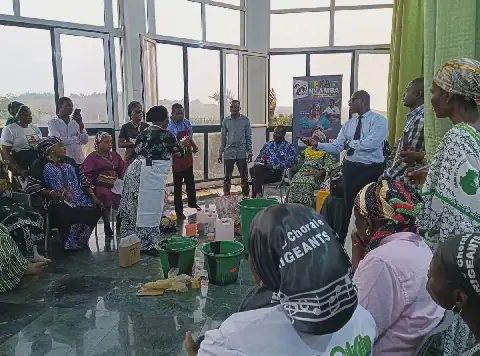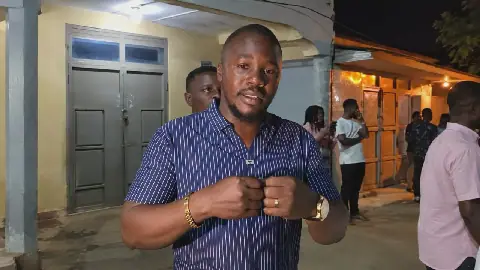
A prominent Nigerian lawyer, Barr Ifeanyi Ejiofor, has stated that the trauma of the Asaba massacre during the 1967-70 Nigeria Civil War still lingers, and that the nation must confront its painful history to achieve genuine healing. According to Ejiofor, the Asaba massacre was one of the darkest and most devastating genocides in human history, and its impact remains painfully alive in the memories of the people. The wounds of the massacre will not heal through pretence or forgetfulness, he emphasized.
The Asaba massacre occurred in 1967, during the Nigeria Civil War, and is considered one of the most significant and devastating events in Nigerian history. Fifty-nine years later, the people of Asaba continue to feel the effects of the tragedy, which resulted in the loss of countless lives and the destruction of the community. Ejiofor noted that the massacre was not just a tragedy of 1967, but a wound inflicted upon the conscience of the nation, which continues to have an impact today.
Ejiofor's comments come as the people of Asaba have been seeking an unqualified apology from the President of Nigeria for the massacre. The request was echoed by HRM, Prof Epiphany Azinge, who emphasized the need for the nation to acknowledge its painful history and take responsibility for the trauma inflicted on the people of Asaba. The lawyer pointed out that a formal presidential apology would be a significant step towards healing and closure for the community.
The demand for an apology has been likened to the national recognition accorded to Chief Moshood Kashimawo Olawale Abiola, who was acknowledged for his struggle for democratic governance. The lawyer noted that if Nigeria can acknowledge historical injustice and immortalize a defining chapter in its democratic journey, it should also be able to offer a formal apology to the innocent victims of Asaba. This, he emphasized, would be a gesture of truth, dignity, and recognition.
According to Ejiofor, the demand for an apology is not a call for revenge, but a plea for truth, dignity, and recognition. The people of Asaba are seeking acknowledgement of their suffering and a recognition of the humanity of those whose lives were cut short. An unqualified presidential apology, he stressed, would affirm that the lives of the victims mattered and that their suffering has not been forgotten.
The Asagba of Asaba had counselled the government to take steps towards healing and closure, emphasizing the need for the nation to choose the courage of acknowledgement over the comfort of silence. Ejiofor urged the government to heed this counsel, noting that an apology would not restore the dead or erase the trauma, but would acknowledge the moral obligation of the Nigerian state to the bereaved community.
The issue of the Asaba massacre remains a significant challenge for the Nigerian nation, with many calling for greater recognition and acknowledgement of the trauma inflicted on the people. As the nation continues to grapple with its painful history, Ejiofor's comments serve as a reminder of the need for confrontation and healing.
Key points
- Barr Ifeanyi Ejiofor seeks presidential apology for Asaba massacre victims
- Asaba massacre occurred during 1967-70 Nigeria Civil War
- Lawyer emphasizes need for nation to confront painful history