Nigeria's power sector is on the verge of a significant transformation with the introduction of a new blueprint that promises to address the country's long-standing electricity crisis. The national grid has traditionally been the benchmark for measuring Nigeria's electricity woes, but the federal government is adopting a more comprehensive approach that encompasses grid reinforcement, decentralised markets, renewable energy, universal metering, industrial power corridors, local manufacturing, and private investment. This strategic shift aims to gradually turn electricity from a national liability into a catalyst for industrial growth.
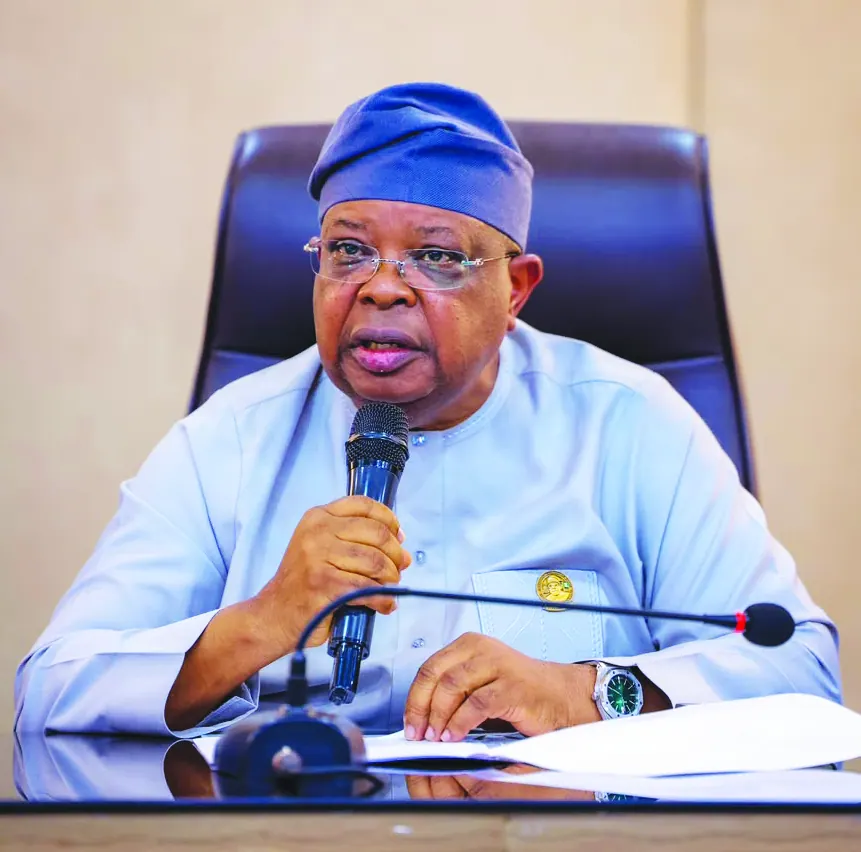
The Minister of Power, Mr Joseph Tegbe, has emphasised the government's commitment to tackling the sector's problems through a disciplined and structured approach. In his first 100 days in office, Tegbe acknowledged that Nigerians will judge the government by improvements in their daily electricity experience. He outlined the government's initial diagnosis, which revealed several challenges, including inadequate gas supply, ageing generating plants, deferred maintenance, weak transmission infrastructure, vandalism, estimated billing, and poor revenue collection. These issues have contributed to the sector's vicious cycle, where unpaid bills weaken gas supply and maintenance, unreliable supply depresses collections, and poor collections deepen debt.
According to Tegbe, the government's diagnosis revealed that only 27 per cent of generation companies' bills were being paid, undermining their ability to maintain plants and pay gas suppliers. Distribution companies were also recording aggregate technical, commercial, and collection losses of between 30 and 40 per cent, while arrears owed by ministries, departments, and agencies exceeded N100 billion. The Minister summarised the sector's challenges, stating that a new power station alone cannot resolve the cycle of unpaid bills, unreliable supply, and poor collections.
In response to these challenges, the government has initiated repairs to existing infrastructure and recovered stranded capacity. The 375-megawatt Alaoji open-cycle power plant has returned to the grid after three years of inactivity. New transformers commissioned at Apapa, Ijora, Alausa, and Lekki have unlocked 672MW of transmission capacity, while another transformer at Katampe, Abuja, added 240MW. These efforts have led to an increase in generation and transmission, with operational records showing levels above 5,000MW over the past couple of weeks, compared to the 3,700MW-to-4,700MW range before June.
A generation peak of 5,330MW was recorded in August and September, but for an economy of Nigeria's size, this remains profoundly inadequate. Tegbe acknowledged this limitation, stating that the next task is to sustain these gains and translate them into more dependable supply at the customer level. The government is aware that a national effort is required to address the power crisis, and it is working to create a more reliable and decentralised electricity system.
The new power blueprint recognises that Nigeria cannot solve its power crisis merely by building more generating plants while neglecting transmission, distribution, metering, and payment discipline. The government's approach aims to address these critical aspects of the sector, and its success will depend on consistent implementation. If successful, the blueprint could transform electricity from a national liability into an instrument of industrial growth.
The government's commitment to tackling the power sector's challenges has been welcomed by stakeholders, who are eager to see improvements in the daily electricity experience of Nigerians. With a comprehensive approach and a disciplined strategy, the government aims to create a more reliable and sustainable electricity system that will support the country's economic growth and development.
Key points
- The Nigerian government has introduced a new power blueprint that aims to shift from grid dependency to reliable, decentralised electricity.
- The sector's challenges include inadequate gas supply, ageing generating plants, deferred maintenance, weak transmission infrastructure, vandalism, estimated billing, and poor revenue collection.
- The government has initiated repairs to existing infrastructure and recovered stranded capacity, leading to an increase in generation and transmission.