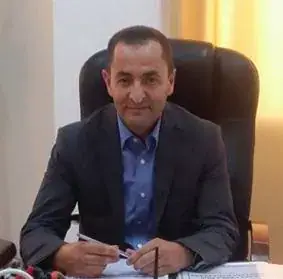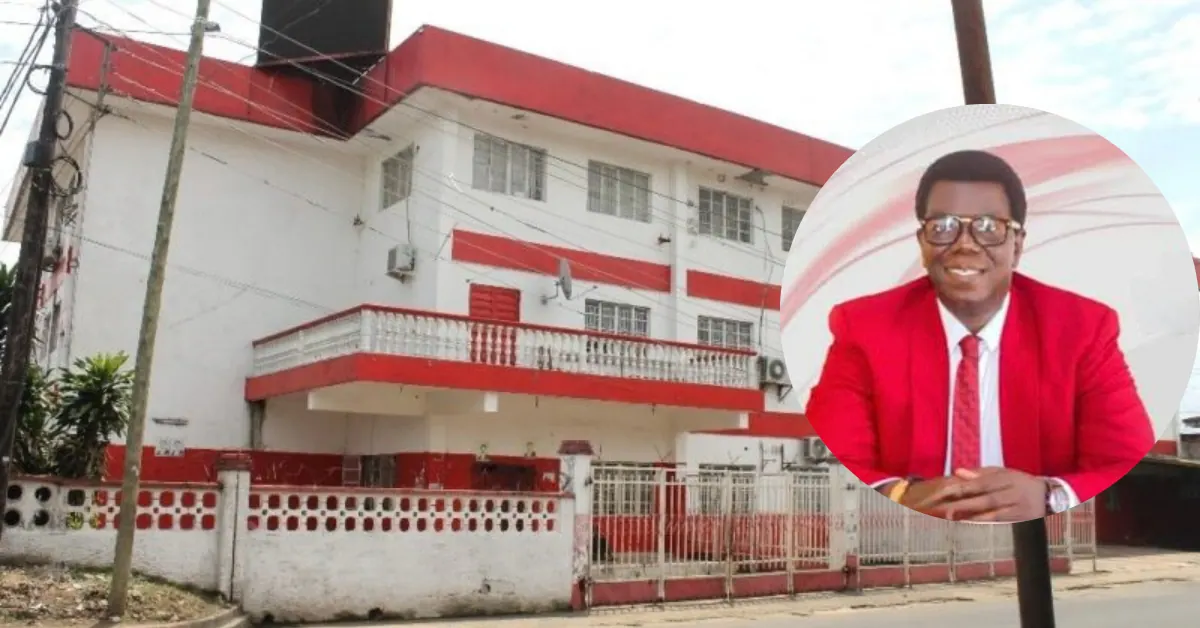
Economic hardship has become a central issue in Sierra Leone's politics, with Ahmad Salim Sesay, a member of the main opposition All People's Congress (APC), criticizing the ruling Sierra Leone People's Party (SLPP) for failing to address rising living costs. Sesay claims that the country's economic difficulties have weakened public confidence in the SLPP and that even some supporters of the party have become dissatisfied with its performance. His comments were based on observations from engagements across constituencies nationwide.
Official economic data show that Sierra Leone continues to face major price pressures, with annual consumer inflation standing at 15.66% in August 2026, up from 14.89% in July. The inflation figures provide evidence of continued increases in the general price level. However, they do not establish the political preferences or satisfaction levels of Sierra Leoneans. The World Bank estimates that Sierra Leone's economy grew by 4.5% in 2025 and projects another 4.5% expansion in 2026.
The International Monetary Fund (IMF) reported that economic growth reached 5% in 2025, while inflation rose from 4.4% in December 2025 to 10.8% in April 2026. The figures show both economic growth and persistent cost-of-living pressures. Sesay characterized the SLPP administration as having failed to address hardship and accused the government of seeking to remain in power while conditions remain difficult.
The APC member's criticism of the government was based on his observations of the treatment of citizens and questioned its ability to govern effectively. The country's political environment remains closely tied to disputes between the SLPP and the main opposition APC. A 2026 Bertelsmann Transformation Index assessment said political polarization and competing interests between the two parties have hindered cooperation on national priorities.
A cross-party committee established after the 2023 election produced 80 recommendations covering electoral systems and management. However, significant disagreements remained between the two major parties. Sesay's argument places economic hardship at the center of a broader political critique, linking household pressures to public confidence in the governing party.
The available economic evidence supports a narrower conclusion: Sierra Leone has experienced substantial inflationary pressure in 2026, while the economy has continued to record positive growth. The country's post-2023 political process has included efforts to address electoral and institutional disputes.
The ongoing debate highlights the challenges facing the SLPP government in addressing economic hardship and criticism from the opposition. The government's response to these challenges and its ability to address the concerns of citizens will likely have an impact on its performance and public perception.
Key points
- APC member criticizes SLPP government over rising living costs
- Economic hardship has weakened public confidence in the SLPP
- Sierra Leone's economy has experienced substantial inflationary pressure in 2026