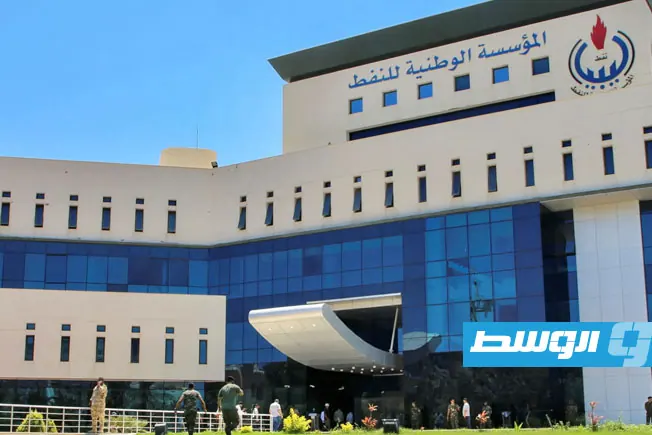
On September 21, 2026, the National Oil Corporation (NOC) announced that an armed group had closed valve number 7, halting the oil pipeline from the Sharara field, operated by Akakus Oil Operations, to the Zawiya port. This closure led to increased pressure in the transport line and a significant decrease in field production. The NOC stated that technical teams had not yet accessed valves 6 and 7.
The NOC warned that continued closure of the pipeline would lead to a halt in Sharara field production and export operations, negatively impacting state revenues. It also raised concerns that prolonged closure could force the Zawiya refinery to shut down, increasing reliance on imported fuel. The corporation urged those responsible for the closure to reopen the pipeline immediately.
The Sharara field, located in southwestern Libya, is one of the country's largest oil fields, with a production capacity of approximately 300,000 barrels per day. It has experienced repeated disruptions in recent years due to protests, political disputes, and technical issues. NOC Chairman Masoud Suleiman reported a partial reduction in production earlier on September 21.
According to engineers, production at the Sharara field decreased from 300,000 barrels per day to 100,000-105,000 barrels per day, a drop of around 200,000 barrels per day. The NOC has called on relevant authorities to assume responsibility for securing oil facilities and preventing further closures.
The recent development follows previous disruptions at other oil facilities and pipelines in southwestern Libya. Last week, the closure of a valve on a major crude oil transport line halted production at other fields. The NOC emphasized that oil and its facilities belong to the Libyan people and that protecting these assets is a national responsibility.
The corporation warned that if the pipeline closure persists, it may be forced to declare a force majeure. The shutdown has sparked concerns about the impact on Libya's economy and its ability to maintain oil production and export operations.
The incident highlights ongoing challenges facing Libya's oil sector, which has struggled with disruptions and instability in recent years. The NOC continues to urge authorities to take action to protect oil facilities and ensure the safe operation of production and transport infrastructure.
Key points
- The closure of the Sharara field pipeline could lead to a significant reduction in Libya's oil production and exports.
- The incident has raised concerns about the potential impact on state revenues and the country's economy.
- The NOC has called for authorities to take responsibility for securing oil facilities and preventing further disruptions.


