In a historic turn of events, Arab parties have secured 19 seats in Israel's 120-seat parliament, the Knesset. The Islamist Ra'am party, led by Mansour Abbas, has grown from five to eight seats, while the Joint List, an alliance of three Arab parties, has received 11 seats. This unprecedented gain has made them a powerful force in Israeli politics, potentially capable of breaking the deadlock between the blocs led by Prime Minister Benjamin Netanyahu and opposition leader Gadi Eisenkot.
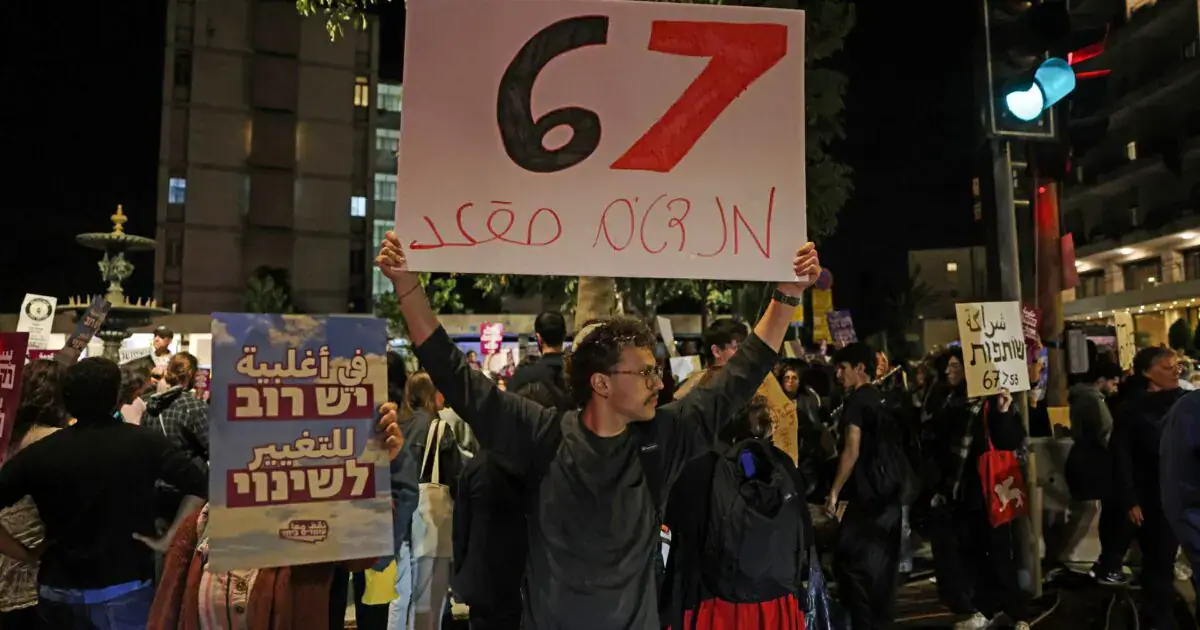
A record number of Arab Israelis voted in the recent election, with turnout reaching around 80%, compared to 53.2% in the 2022 election. This surge in voter turnout is seen as a significant shift in the Arab community's approach to Israeli politics. Yohanan Plesner, president of the Israel Democracy Institute, attributed this to the community's desire to be counted in Israel's political process and to have their issues addressed by the government.
The increased voter turnout was largely driven by the inflammatory rhetoric and policies of senior government ministers, including Minister of National Security Itamar Ben-Gvir and Finance Minister Bezalel Smotrich. Their actions, such as mass demolitions of illegally built homes and threats to force Arab populations out of their land, pushed many Arab citizens to vote for the first time. A poll showed that nearly 92% of Arab voters cited fear of Smotrich and Ben-Gvir as the main reason for their participation.
The Arab parties' success has raised questions about their potential role in forming a governing coalition. Ra'am has already shown a willingness to join the government, having previously partnered with former prime ministers Naftali Bennett and Yair Lapid. The Joint List, however, has historically focused on Palestinian nationalism and socialist politics, making it a more challenging partner for Jewish parties.
Some Israeli politicians have expressed reservations about working with Arab parties. Gadi Taub, a professor at Hebrew University of Jerusalem, described including such parties in the government as "ridiculous," citing their alleged anti-Zionist stance and connections to terrorist organizations. However, others see this as an opportunity for change, with Yousef Jabareen, head of The Joint List, stating that his party is ready for political cooperation to form an alternative government.
The implications of Arab parties' increased influence are far-reaching. According to Michael Milshtein, head of the Palestinian Studies Forum at Tel Aviv University, this development can be seen as a formula for a cascade of expectations. The Arab community's demands for recognition, equality, and an end to exclusion from the political system are likely to be at the forefront of their negotiations with Jewish parties.
As Israel's politicians navigate this new landscape, the country faces a critical juncture. The willingness of Jewish parties to accept Arab parties as legitimate partners will determine the course of Israeli politics. With the Arab community's electoral power now undeniable, the question remains whether this shift will lead to meaningful change and greater inclusion in the country's decision-making processes.
Key points
- Arab parties have secured a record 19 seats in Israel's parliament, making them a crucial force in forming a governing coalition.
- The increased voter turnout among Arab Israelis was driven by fear of policies and rhetoric from senior government ministers.
- The role of Arab parties in a potential governing coalition remains uncertain, with some politicians expressing reservations about working with them.