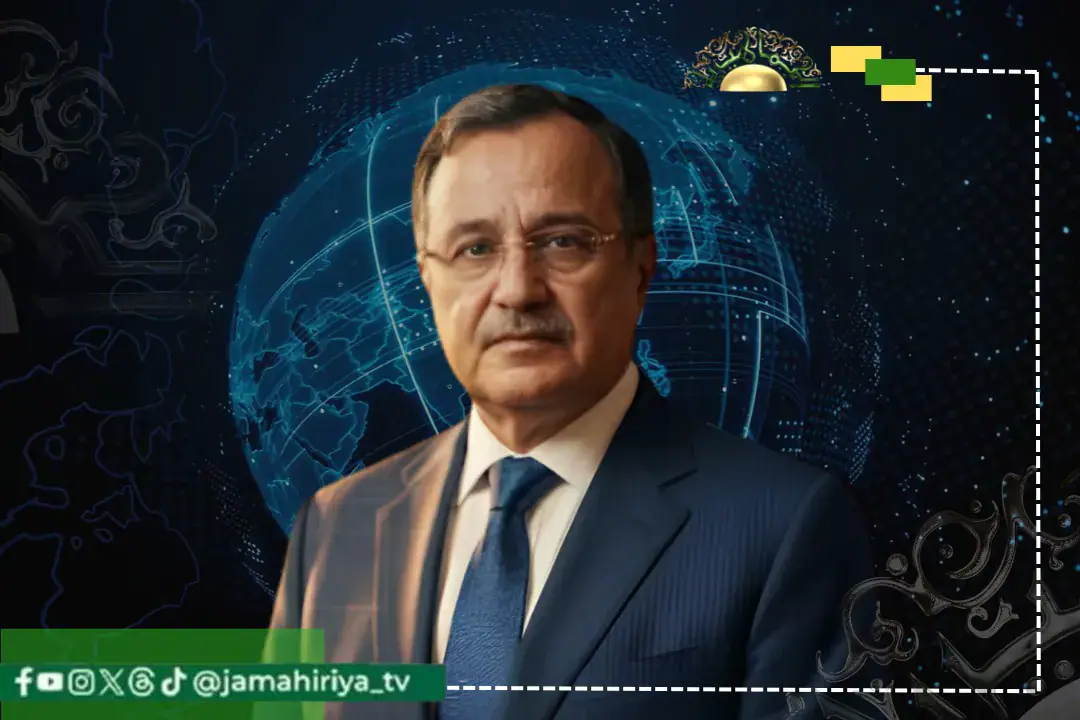
Arab League Secretary-General Nabil Fahmy has acknowledged that the organization's efforts to achieve a political settlement in Libya have not yielded the desired results. Fahmy attributed the setbacks to ongoing internal divisions and foreign interference, which hinder progress toward a solution to the country's crisis. In a recent interview with Al Jazeera International, Fahmy expressed dissatisfaction with the Arab League's Libya efforts, highlighting the challenges posed by internal divisions and external interventions.
Fahmy's comments come amid ongoing turmoil in Libya, where rival factions and external actors continue to influence the country's trajectory. The Arab League has emphasized the importance of a Libyan-led and owned political process, as seen in its reaction to the agreement reached by the "4+4" mini-dialogue committee. This committee, comprising representatives from the Government of National Unity and the Libyan National Army, operates under the auspices of the United Nations Support Mission in Libya.
In September, the Arab League reaffirmed its stance on the need for a Libyan-led process, stressing the importance of building on understandings that bring Libyan perspectives closer together. The organization aims to create conditions for a transition to a more stable phase, ultimately ending the country's division and uniting its institutions. Fahmy's statements reflect the League's commitment to promoting a peaceful and political resolution to Libya's crisis.
The Arab League's position on Libya aligns with its broader approach to regional crises. During his discussions with Algerian Foreign Minister Ahmed Attaf, Fahmy emphasized the need for peaceful and political solutions to conflicts in the region, including those in Sudan, Yemen, and the occupied Palestinian territories. This approach underscores the organization's focus on promoting stability and resolving disputes through diplomatic means.
Internal divisions and foreign interference have long been recognized as significant challenges to Libya's stability. The country's complex landscape, marked by rival factions and external influences, has hindered efforts to establish a unified government and secure a lasting peace. Fahmy's comments highlight the Arab League's awareness of these challenges and its commitment to supporting a Libyan-led solution.
The Arab League's efforts to address Libya's crisis are part of a broader regional initiative to promote stability and security. By emphasizing the importance of Libyan ownership and leadership, the organization aims to create a framework for sustainable peace and stability. Fahmy's statements reflect the League's ongoing engagement with the crisis and its commitment to finding a peaceful resolution.
As Libya continues to navigate its complex transition, the Arab League's role in promoting a peaceful and political solution remains crucial. Fahmy's acknowledgment of the challenges facing the organization's efforts underscores the need for sustained diplomatic engagement and cooperation to address the country's crisis. The Arab League will likely continue to play a key role in supporting Libya's transition toward stability and peace.
Key points
- Internal divisions and foreign interference hinder Libya's peace process
- Arab League emphasizes Libyan ownership and leadership in peace efforts
- Organization commits to promoting peaceful and political solutions to regional crises
Reporting sources
- نبيل فهمي يكشف أسباب تعثر جهود الجامعة العربية في ليبيا · Aljamahiriya TV