International cooperation is built on the principle that sovereign states engage as partners, not as principals and subordinates. However, the Trump administration's approach to South Africa has raised concerns. The US has presented a list of "five asks" to South Africa, which has narrowed the space for dialogue and encouraged public posturing. This approach has complicated matters, as the "five asks" are based on representations made by a single group of people in South Africa.
The group in question is led by Ernst Roets, a far-right activist who has curried favor with the Trump administration. Roets and his companions have presented their views on South Africa to the US, which has taken them as gospel truth. This has led to strained relations between South Africa and the US, with the latter appearing to do the bidding of Roets and his group. The situation has sparked concerns about the influence of external pressure on South Africa's domestic issues.
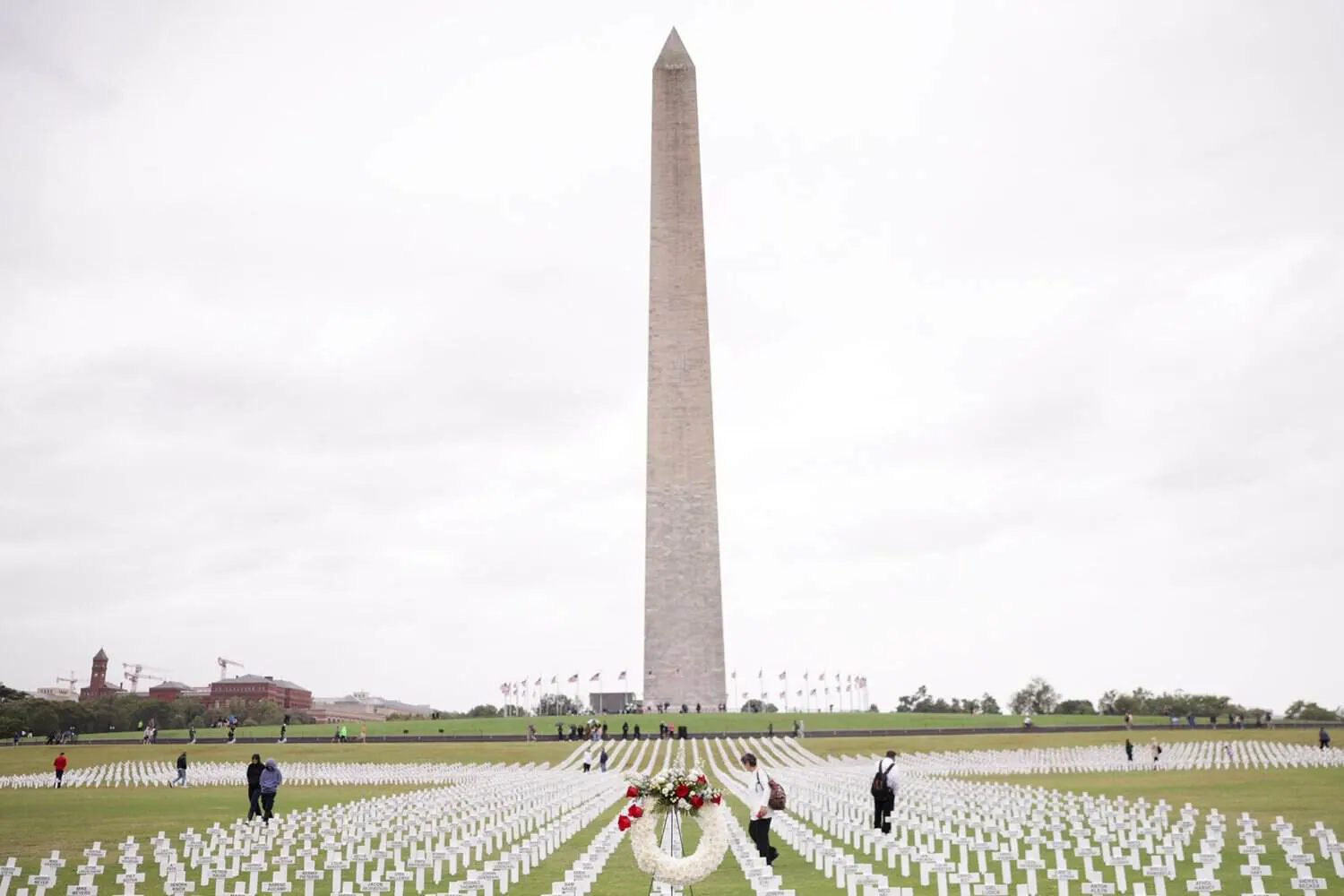
Roets and his group have been involved in campaigns to raise awareness about farm murders in South Africa, including planting 3,000 crosses to represent the issue. However, this approach has been criticized for presenting an imbalanced view of South Africa as a country. The issue has also raised questions about the sell-by date of the US's current approach to South Africa. Two years from now, the cause that Roets has weaponized against South Africa might need a complete overhaul.
External pressure is unlikely to resolve South Africa's national problems, and may even harden positions. The ANC leaders may be banned from traveling to the US, but this is unlikely to have a significant impact. The saddest part of the situation is that a domestic organization has convinced an external power to treat ANC leaders in the same way as terror-linked organizations and tinpot dictators.
Domestic political organizations have a responsibility to represent their constituents in a way that is accountable to South African voters. Appealing to a foreign government for leverage in local disputes may produce short-term attention, but it can weaken the very constituencies those organizations claim to represent. This strategy shifts persuasion away from fellow citizens and constitutional institutions towards actors who are not accountable to South African voters.
Afrikaners may have legitimate concerns, but the chosen path to address those concerns is damaging to their cause. The result is suspicions that Roets and his company are hankering for a past that has landed the country where it is today: the most unequal society in the world. The durable path for South Africa is not submission to US "asks", which are essentially the demands of a minority group.
The situation has raised concerns about the long-term implications of appealing to external powers for leverage in domestic disputes. The strategy is self-defeating, and may ultimately damage the cause that Roets and his group are trying to promote. The focus should be on finding solutions that are based on universal truths and that will stand the test of time.
Key points
- The Trump administration's adoption of demands presented by a far-right group has strained relations between South Africa and the US.
- External pressure is unlikely to resolve South Africa's national problems and may even harden positions.
- Appealing to external powers for leverage in domestic disputes can weaken the very constituencies those organizations claim to represent.