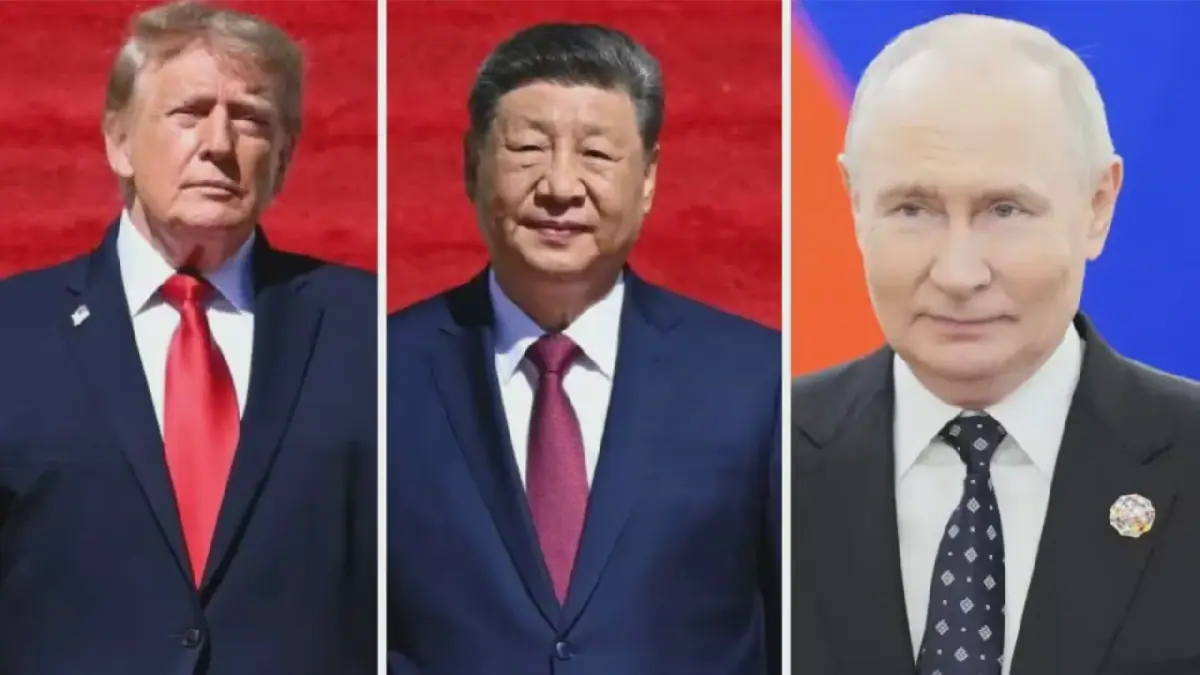
The Asia-Pacific Economic Cooperation (APEC) summit is set to take place in Shenzhen, China, on November 18-19, bringing together 21 economies that account for approximately 60% of the world's GDP. The summit will feature high-level discussions on global trade, geopolitics, and economic cooperation, with US President Donald Trump, Chinese President Xi Jinping, and Russian President Vladimir Poutine among the expected attendees. The APEC forum was established in 1989 and has since become a crucial platform for economic discussions in the region.
The APEC summit in Shenzhen is significant, as the city is a major technological hub in China, home to companies such as BYD, Huawei, and Tencent. The choice of Shenzhen as the host city is seen as a strategic move by China to showcase its vision for economic development and international trade. The summit will provide a platform for China to promote its interests and demonstrate its ability to navigate complex geopolitical dynamics. According to analysts, the selection of Shenzhen also reflects China's efforts to promote the Greater Bay Area, a region that includes Hong Kong and Macao, as a global center for technology and innovation.
The APEC summit will address several pressing issues, including trade tensions between the US and China, the ongoing conflict in Ukraine, and the economic implications of the Middle East conflicts. The US-China relationship is expected to be a major topic of discussion, with both countries having failed to fully implement their commitments under the trade truce. The two nations will likely discuss issues such as tariffs, rare earth minerals, artificial intelligence, and US arms sales to Taiwan. These discussions are crucial in determining the stability of US-China relations despite their differences.
A potential meeting between US President Donald Trump, Chinese President Xi Jinping, and Russian President Vladimir Putin is being closely watched, although no trilateral meeting has been officially confirmed. The three leaders are expected to discuss various issues, including nuclear disarmament, with the US and Russia likely to focus on the Ukraine conflict. However, China has expressed reservations about participating in nuclear disarmament talks, citing its relatively smaller nuclear arsenal compared to the US and Russia.
The APEC summit will also address the economic implications of conflicts in the Middle East, which have significant implications for global trade, energy security, and supply chains. The 21 member economies of APEC account for nearly half of global trade, making the forum an important platform for discussing these issues. The summit's theme, "Building an Asia-Pacific community to prosper together," reflects the need for cooperation and collaboration among member economies to address these challenges.
The APEC summit aims to promote economic openness, innovation, and cooperation among its member economies. The forum's voluntary nature and consensus-based decision-making process, however, limit its ability to impose binding decisions. Despite these limitations, the APEC summit remains an important platform for global economic discussions, with its member economies playing a significant role in shaping international trade and investment.
The success of the APEC summit will depend on the ability of its member economies to find common ground and address their differences. The summit's outcome will be closely watched by businesses, investors, and policymakers around the world, given the significant economic weight of the APEC member economies. The three priorities of the summit - economic openness, innovation, and cooperation - are crucial in promoting a shared prosperity among the APEC economies.
Key points
- The APEC summit brings together 21 economies that account for approximately 60% of the world's GDP.
- The summit will address pressing issues such as trade tensions between the US and China, the Ukraine conflict, and the economic implications of Middle East conflicts.
- The APEC forum aims to promote economic cooperation, openness, and innovation among its member economies to achieve shared prosperity.