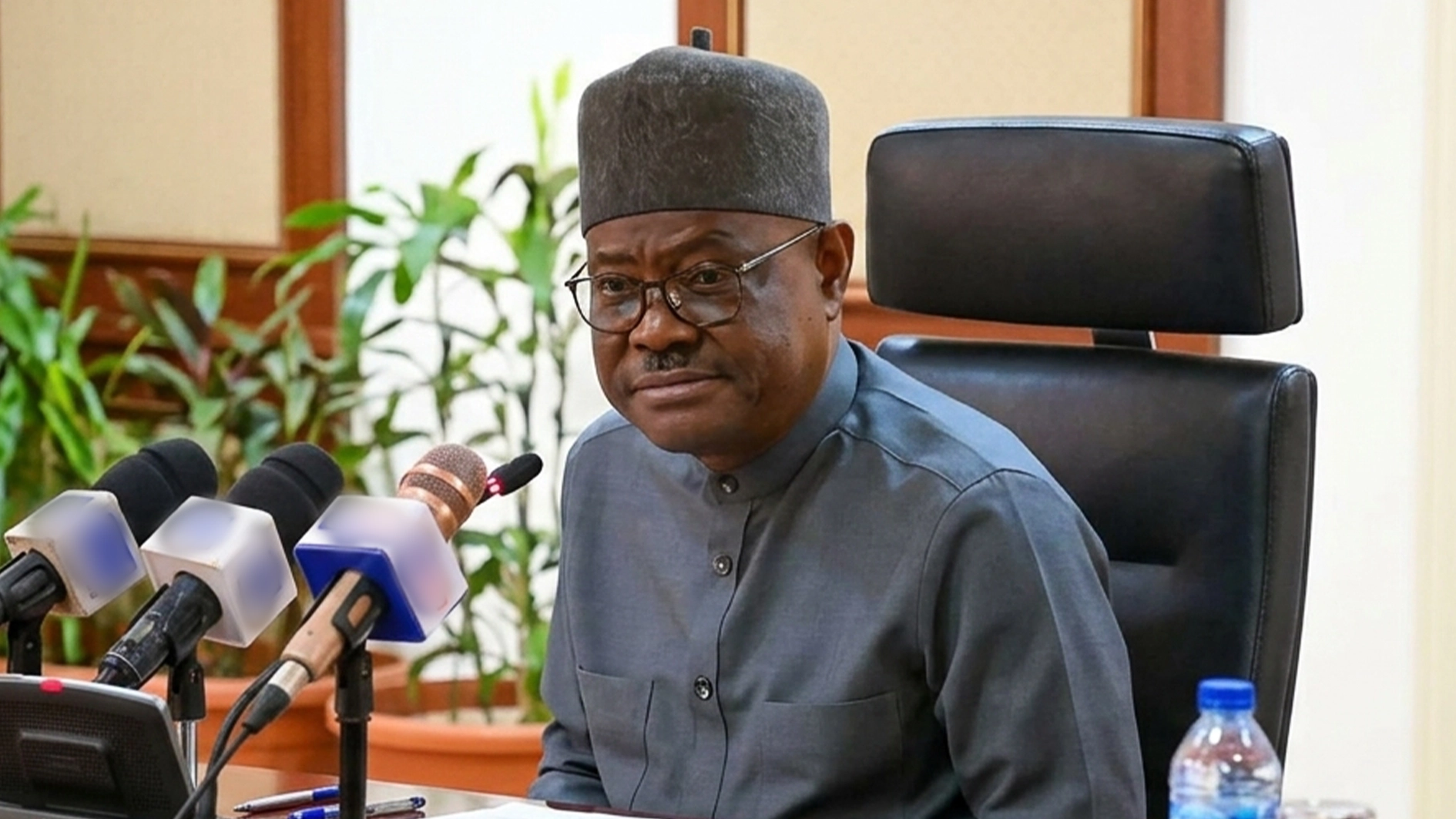
A rift has emerged between governors elected on the platform of the All Progressives Congress (APC) and the Minister of the Federal Capital Territory (FCT), Nyesom Wike, over the Rainbow Coalition. The coalition, a multi-party platform designed to mobilise support for President Bola Tinubu's re-election, has sparked a contest over the control of the political machinery for the 2027 elections. Wike insists that politicians can support Tinubu while retaining the freedom to support or field candidates on other platforms for governorship and legislative elections.
The APC governors, through the Progressive Governors' Forum (PGF), have taken a different position, declaring that they will not support any arrangement capable of weakening the party or undermining its candidates. The PGF, led by Imo State Governor Hope Uzodimma, announced that APC governors will not participate in or endorse any alliance that could adversely affect the party's electoral interests. This disagreement exposes competing interests between two political structures that both support Tinubu's re-election but have different objectives in the governorship and legislative contests.
Wike's position is built around the separation of the presidential contest from other elections. He maintains that the Rainbow Coalition is not an APC structure and was never intended to replace the ruling party. According to Wike, the coalition is a platform for other political parties that are pleased with Tinubu's good works and are supporting his re-election. This distinction is significant because the 2027 elections will involve presidential, governorship, National Assembly, and state assembly contests taking place within the same electoral cycle.
Alhaji Liadi Tella, a renowned journalist and APC stakeholder in Osun State, has described the controversy as a "storm in a teacup", urging APC governors to concentrate on winning their respective states. Tella questioned the electoral significance being attached to the Rainbow Coalition, arguing that its impact should be measured by its actual presence and organisation across the states rather than by political speculation surrounding it. He also challenged claims that politicians who failed to secure APC tickets during the primaries and subsequently moved to opposition parties were being encouraged or financed by Wike.
The concerns expressed by the governors go beyond the present size of the coalition. The apprehension is that a cross-party organisation capable of mobilising politicians and voters independently of APC structures could eventually become an alternative centre of influence during the 2027 election. Governors remain central to the mobilisation of party structures at state, local government, and ward levels. The current dispute has inevitably revived memories of the 2003 political experience involving the Alliance for Democracy (AD) governors in the South-West and former President Olusegun Obasanjo.
APC National Chairman, Prof Nentawe Yilwatda, has sought to play down the suggestion that the disagreement could derail Tinubu's 2027 project. Yilwatda argued that politicians could support Tinubu at the presidential level while pursuing their interests in governorship and legislative elections. This position provides an important distinction between the party's presidential objective and the individual electoral interests of politicians contesting other positions.
The tension between APC governors and Wike is not necessarily over Tinubu's candidacy but over the political consequences of supporting the President while opposing members of his party in other contests. The disagreement has exposed the complexities of Nigerian politics, where alliances and coalitions can have far-reaching implications for the electoral fortunes of politicians. As the 2027 elections approach, the implications of the Rainbow Coalition will continue to be a subject of debate among Nigerian politicians.
Key points
- APC governors and Wike have different views on the Rainbow Coalition's implications for the 2027 elections.
- The disagreement centres on the control of the political machinery for Tinubu's re-election campaign.
- The controversy has revived memories of the 2003 political experience involving the Alliance for Democracy governors and former President Olusegun Obasanjo.