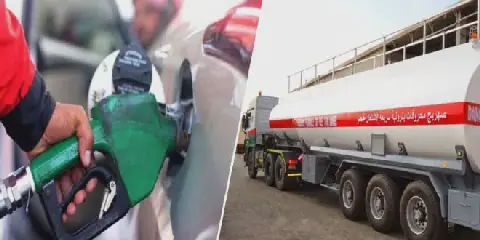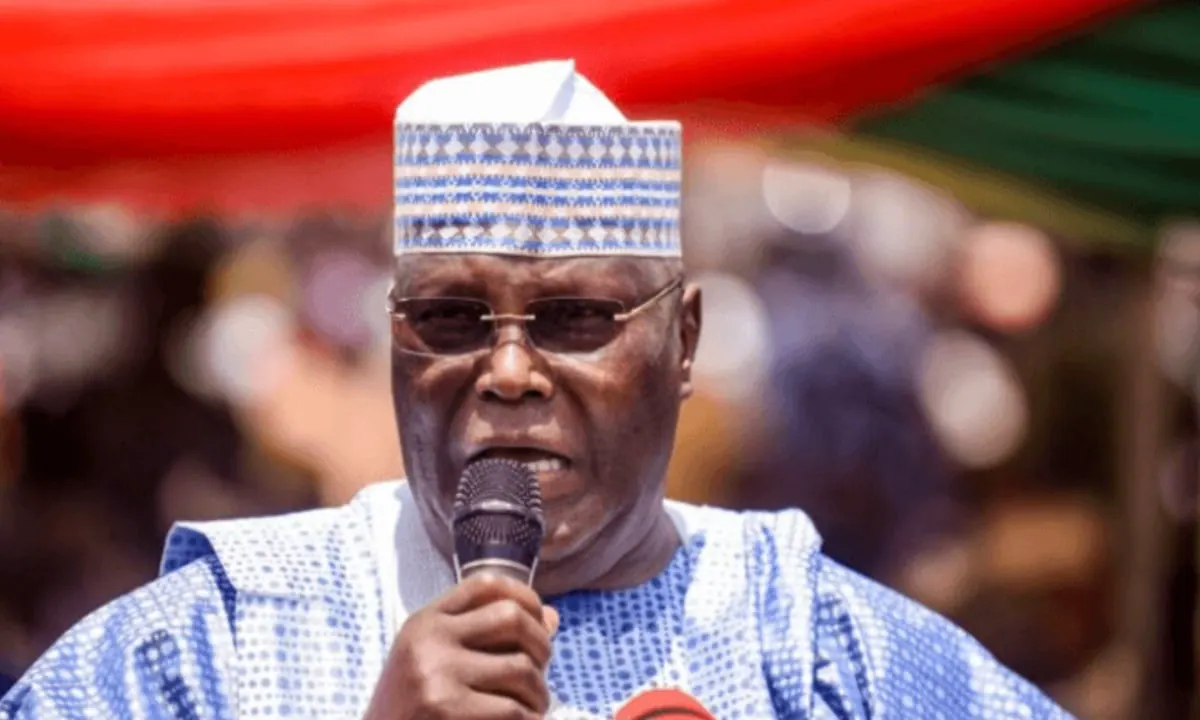
The All Progressives Congress Presidential Campaign Council (APC-PCC) has challenged former Vice President Atiku Abubakar to clarify the legal, fiscal, and operational basis of his proposal to introduce a production subsidy for locally refined petrol. In a statement, the council's spokesman, Dele Alake, said Atiku's proposal raised questions about its compatibility with the Petroleum Industry Act (PIA) 2021. The APC-PCC cited Section 205(1) of the PIA, which provides for unrestricted free-market conditions to determine wholesale and retail prices of petroleum products.
The APC-PCC referenced a recent statement by the Nigerian Midstream and Downstream Petroleum Regulatory Authority (NMDPRA), which said it neither fixes pump prices nor issues administrative price templates except where statutory conditions for intervention are met. The regulator stated that no market failure had been declared. The council asked Atiku to clarify whether refineries receiving the proposed subsidy would be required to sell petrol at a prescribed price and identify the legal framework under which the government would impose that price condition.
The council also asked Atiku to explain how consumers would benefit if refiners received government support without an enforceable mechanism requiring lower pump prices. It demanded details of the cost and funding arrangements for the proposed intervention, citing Atiku's earlier statements suggesting that it could involve preferentially priced crude for domestic refineries. The council estimated that the proposed subsidy could cost between N17 trillion and N21 trillion annually, depending on the size of the discount and volume covered.
The APC-PCC questioned Atiku's current position in light of his previous support for downstream deregulation. In November 2022, Atiku described the petrol subsidy system as fraudulent and pledged to complete its removal. However, in an August 25, 2026 statement, he said, "I will restore it!" The council asked Atiku to explain why he now supports restoring subsidy in another form and how his proposal would avoid abuses, scarcity, smuggling, and fiscal losses associated with the previous system.
The council linked the deregulation of petroleum products to the administration in which Atiku served as vice president, noting that diesel was deregulated in June 2003 and aviation fuel subsequently moved to market pricing. The Petroleum Industry Act, whose reform process began in 2000, ultimately established the legal framework for the downstream sector. The APC-PCC contrasted Atiku's proposal with the Tinubu administration's emphasis on compressed natural gas (CNG) and electric mass transit as alternatives for reducing transportation costs.
The APC-PCC highlighted the success of the Tinubu administration's policies, citing over 120,000 vehicles converted to CNG and CNG and electric buses reducing fares on some routes. In Borno, CNG buses charge between N50 and N100 on routes where commercial operators charge N300 to N600. In Kaduna, free CNG buses transported over 1.4 million passengers in five months of 2025, saving commuters an estimated N1.39 billion in fares.
The APC-PCC acknowledged the pressure caused by higher petrol prices but argued that the Tinubu administration's policies aimed to address transportation costs through alternative energy sources. The council requested Atiku to provide details on the proposed subsidy rate, annual spending ceiling, volume to be covered, funding source, mechanism for guaranteeing lower pump prices, and safeguards against diversion and fraudulent claims.
Key points
- The APC-PCC challenges Atiku Abubakar to clarify the legal, fiscal, and operational basis of his proposal to introduce a production subsidy for locally refined petrol.
- Atiku's proposal raises questions about its compatibility with the Petroleum Industry Act (PIA) 2021.
- The APC-PCC estimates that the proposed subsidy could cost between N17 trillion and N21 trillion annually.