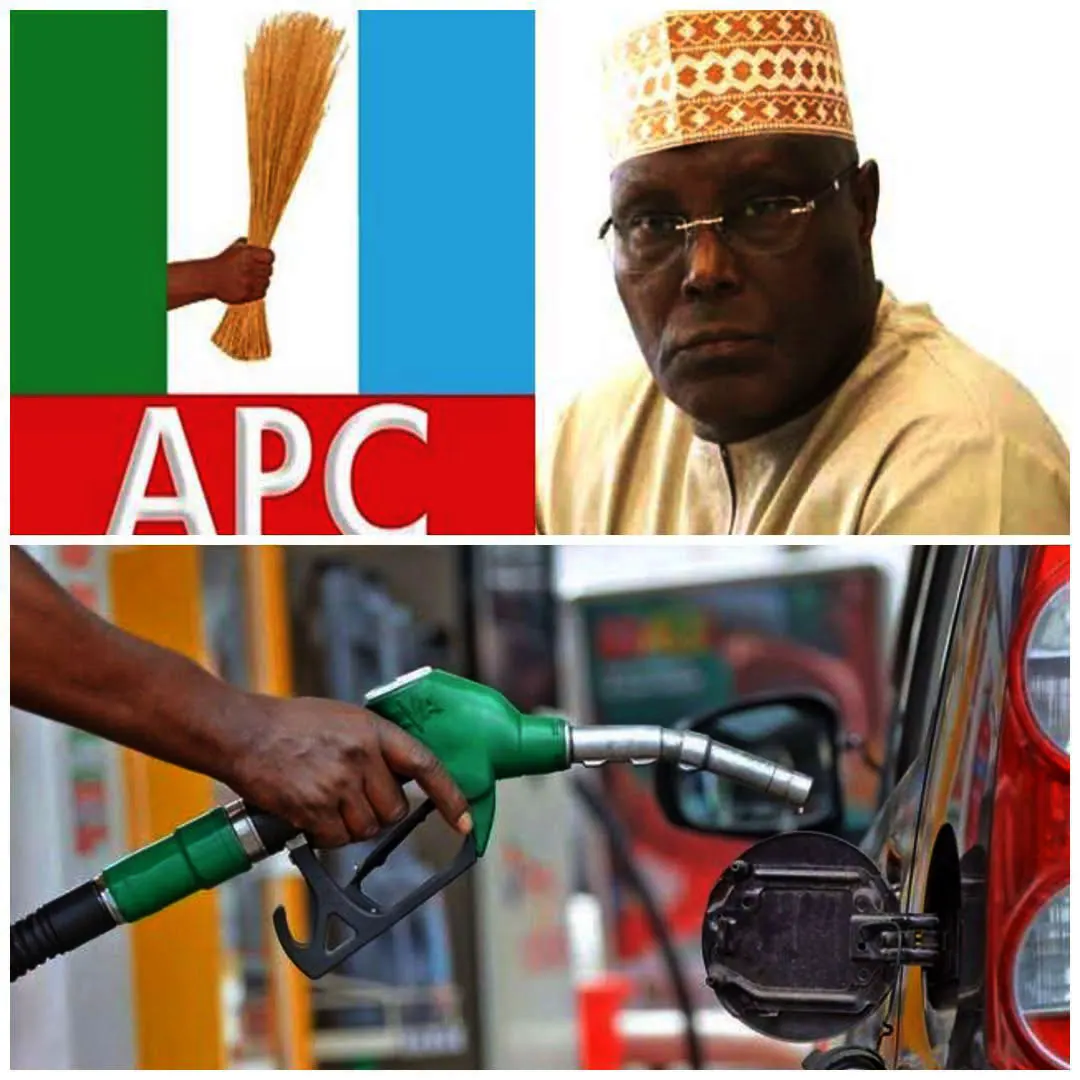
The All Progressives Congress Presidential Campaign Council (APC PCC) has acknowledged that rising petrol prices are placing significant pressure on Nigerian families. The council's spokesperson, Dele Alake, stated that the President Bola Tinubu administration would continue to implement policies to support Nigerians. Petrol prices have surged due to the Middle East crisis, which pushed crude oil prices above $100 per barrel. Before the crisis, petrol was sold for about N830 per litre.
The APC PCC is working to address the issue through various measures. The Nigerian Midstream and Downstream Petroleum Regulatory Authority (NMDPRA) is collaborating with the Federal Competition and Consumer Protection Commission (FCCPC) to prevent alleged price gouging. Additionally, the council is working with the Nigeria Customs Service to check the diversion of petroleum products across borders. These efforts aim to mitigate the impact of rising petrol prices on Nigerian families.
The APC PCC also pointed to the administration's compressed natural gas (CNG) and electric mass-transit programmes as alternatives to provide cheaper transportation options. Over 120,000 vehicles have been converted to CNG under the government programme, with thousands more converted privately. The Federal Government is working with state governments to extend the programme nationwide. President Tinubu has assured that Nigerians should begin to see measurable reductions in transportation costs from October 1.
Despite acknowledging the hardship caused by higher fuel prices, the APC PCC rejected the production subsidy proposed by African Democratic Congress (ADC) presidential candidate, Atiku Abubakar. Atiku's plan involves government support for domestic refining to reduce petrol and diesel costs. However, the APC PCC challenges Atiku to explain the cost, legal basis, and practicality of his proposal. The council questions how the proposed subsidy would guarantee cheaper prices at filling stations.
The APC PCC cited Section 205(1) of the Petroleum Industry Act 2021, which allows wholesale and retail prices of petroleum products to be determined under unrestricted free-market conditions. The council also questioned how Atiku's proposal would be funded, estimating that it could cost between N17 trillion and N21 trillion annually. The APC PCC demanded that Atiku provide a detailed policy document and an independent legal and fiscal analysis of his proposal.
The council also queried how Atiku's latest proposal aligns with his previous support for downstream deregulation and removal of petrol subsidy. During the 2023 election campaign, Atiku advocated for subsidy removal. The APC PCC asked him to explain how the proposed production subsidy would avoid the alleged abuse, smuggling, and fiscal losses associated with the previous system.
The APC PCC maintained that any intervention in the petroleum sector should be lawful, transparent, and capable of producing measurable benefits for consumers. The government remains committed to a deregulated downstream market while pursuing alternative measures to reduce transportation costs. Atiku's production-subsidy plan remains an uncosted promise without a clearly identified legal or operational framework, according to the APC PCC.
Key points
- The APC PCC has rejected Atiku Abubakar's production subsidy plan for locally refined petrol.
- The council estimates that Atiku's proposal could cost between N17 trillion and N21 trillion annually.
- The APC PCC demands that Atiku provide a detailed policy document and an independent legal and fiscal analysis of his proposal.