Human rights activist Nomarussia Bonase has told a Truth and Reconciliation Commission (TRC) inquiry in Johannesburg that despite her efforts, she and many other apartheid victims were denied an opportunity to have their voices heard by the TRC. Bonase appeared before the inquiry on behalf of the Khulumani Galela group, an organisation representing elderly struggle veterans and survivors of apartheid brutality. Her testimony focused on the victims' efforts to seek justice and have their stories heard during South Africa's transition to democracy.
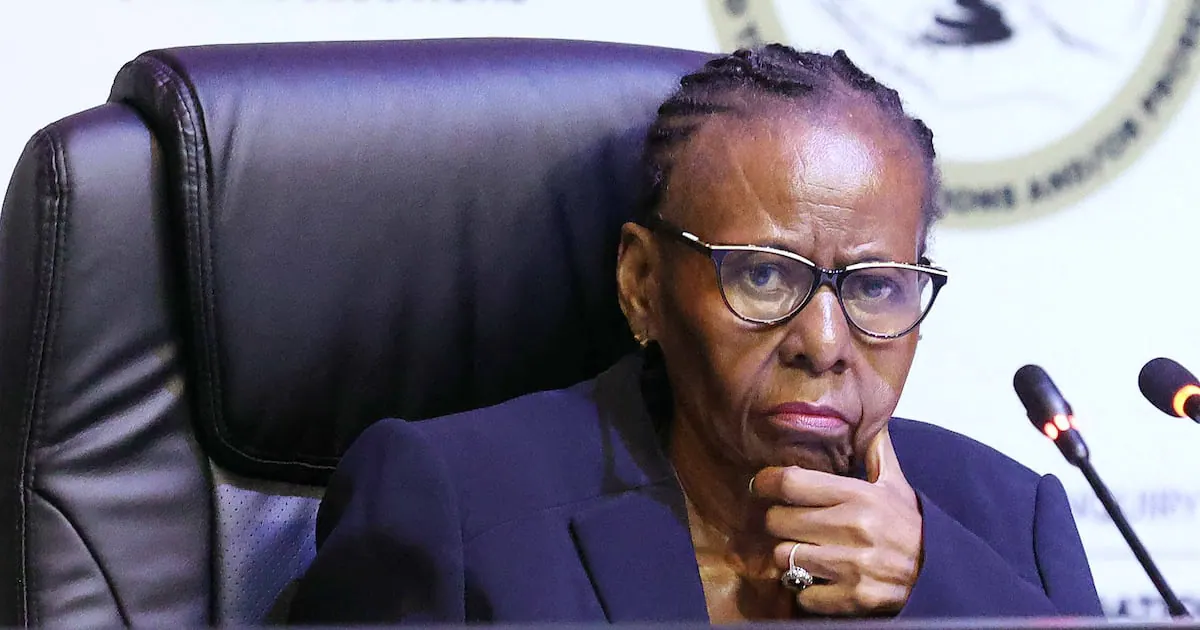
The TRC inquiry, chaired by retired justice Sisi Khampepe, is investigating whether any person or institution improperly influenced, interfered with or attempted to stop the investigation and prosecution of apartheid-era crimes referred by the original TRC in the 1990s. Bonase recounted her long struggle to have her experiences of torture and violence under apartheid heard by the TRC. She said victims were repeatedly told that government officials would not meet with them if they had failed to tell their stories to the TRC before it closed.
According to Bonase, after being denied an opportunity to have their voices heard by the TRC, victims did not give up. Instead, they took their grievances to the highest levels of government, including then-president Thabo Mbeki and minister of justice Penuell Maduna. Bonase said they began by organising themselves and asking why the government was ignoring them. They reached out to their local government, which referred them to the provincial level, then to the premier's office, followed by the department of justice, and finally the presidential office.
Bonase told the inquiry that in 1997 she went to the TRC office on the East Rand to submit a statement about the injustices she had experienced. However, after waiting in line outside with many others, the TRC officials informed them that they were having problems and would not be able to accept their statements that day. Bonase said the East Rand TRC office remained closed, and they never came back to collect their statements.
Bonase later joined a Khulumani support structure that assisted apartheid victims in submitting their testimonies to the commission. However, she said she never heard anything from TRC investigators. Bonase also tried to submit her testimony during the amnesty application process in 2001, but was still left out of the processes. She said the exclusion of victims was relevant to the TRC's mandate because it contributed to its understanding of the failures to investigate and prosecute perpetrators.
During her testimony, Bonase broke down as she recalled the traumatic events of her past, beginning with the circumstances surrounding her premature birth in 1966. She said police raided the family's house while her father was at work at the time her mother was eight months pregnant. Bonase's mother was assaulted, and her father found her on the verge of miscarriage. She was rushed to hospital, and that is how Bonase was born.
Bonase said the struggle for justice and accountability has continued for 25 years, with many victims still seeking recognition and reparations. The TRC inquiry is expected to continue hearing testimonies from apartheid victims and investigating the failures of the original TRC.
Key points
- The TRC failed to deliver justice to apartheid victims, according to human rights activist Nomarussia Bonase.
- Victims were repeatedly told that government officials would not meet with them if they had failed to tell their stories to the TRC before it closed.
- The struggle for justice and accountability has continued for 25 years, with many victims still seeking recognition and reparations.