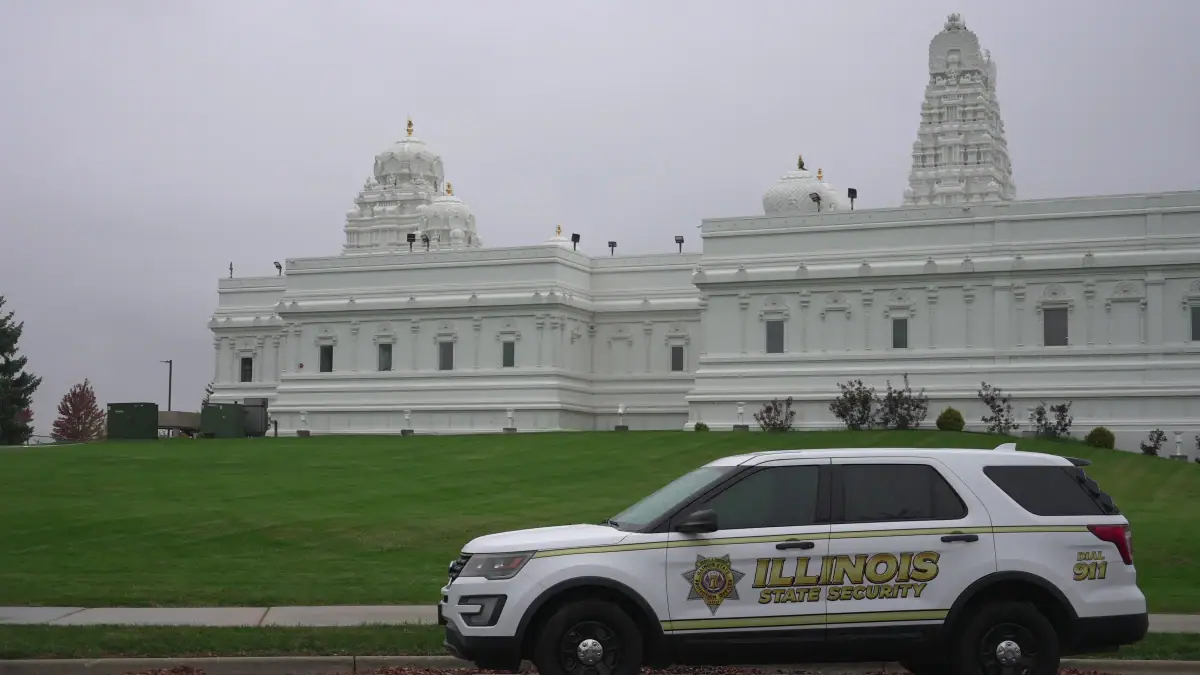
A 19-year-old man, Alexandros Paporakis, was arrested on October 11 for allegedly planning a mass shooting at the Sri Venkateswara Swami Temple in Aurora, Illinois. Police said Paporakis, a college student and Taco Bell cashier, had a jammed gun and was motivated by hatred towards people of Indian ancestry. The plot was foiled after his coworkers reported him to the authorities.
The incident has drawn attention to a recent rise in anti-South Asian and anti-Hindu hate in the US. According to Rohit Chopra, a professor of communications at Santa Clara University, the narrative about Indian immigrants has dramatically changed over the last four years. Once described as a "model minority," Indian Americans are now often depicted in conspiracist, degrading, and dehumanizing ways online and in political discourse.
Experts say that online hate rhetoric has moved from fringe social media platforms to mainstream ones, with serious consequences. Prasiddha Sudhakar, a board member of the Network Contagion Research Institute, said that the toxic online rhetoric has strong connections to offline violence. Sudhakar and Chopra have documented a surge in anti-Hindu and anti-Indian hate on social media platforms, including X, with a 240% increase in anti-South Asian hate speech between January 2025 and June 2026.
The anti-Indian conspiracy theories center on fears over immigration and jobs, rather than changing demographics. These narratives position people of Indian origin as all-powerful and invoke dehumanizing tropes about Indians as "dirty" immigrant "invaders." Sudhakar said that spikes in online hate coincided with events such as Parag Agarwal's appointment as CEO of Twitter and Sriram Krishnan's selection as former White House policy adviser on Artificial Intelligence.
The incident at the Hindu temple has sparked widespread condemnation, with US Congressman Raja Krishnamoorthi calling for the FBI to investigate the incident as a federal hate crime. The temple was hosting a major nine-day Hindu festival, which was attended by Krishnamoorthi and his family. Paporakis has been charged with making a terrorist threat and unlawful possession of a rifle, both felonies.
The rise in anti-Indian hate has left the community feeling vulnerable. Chopra said that the right has effectively made the H-1B visa issue a political hot button, with Indian nationals accounting for more than 70% of H-1B visas. Experts warn that the situation requires urgent attention to prevent further incidents of hate and violence.
The incident serves as a reminder of the need for greater awareness and action to combat hate speech and violence. KEY_POINT: Online hate rhetoric has moved from fringe social media platforms to mainstream ones. KEY_POINT: Anti-Indian conspiracy theories center on fears over immigration and jobs. KEY_POINT: The incident has sparked widespread condemnation and calls for action.