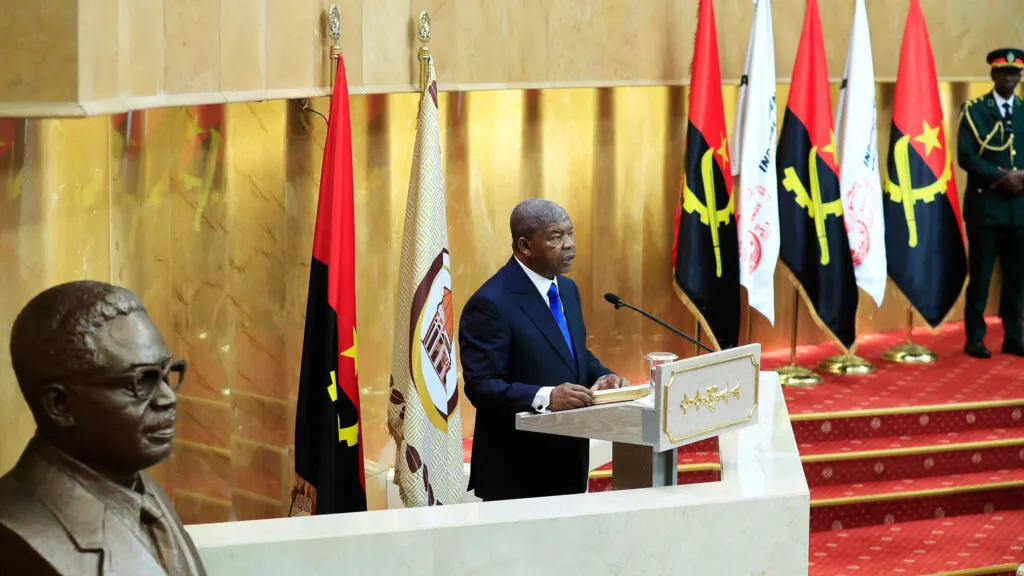
Angolan President João Lourenço will deliver his final State of the Nation address on October 15, before the National Assembly. This address is a legal requirement, as stipulated in the country's Constitution. Lourenço's speech may be seen as a farewell or "last supper" address, as he is barred from seeking a third term as President. The speech is expected to highlight his achievements and policies over the past nine years.
Lourenço's address is anticipated to focus on his accomplishments, including the fight against corruption and impunity, which has been a significant challenge during his tenure. However, critics argue that the results have fallen short of expectations. The President is also expected to discuss the Programme for Integration and Intervention in Municipalities (PIIM), which he may describe as a success, despite concerns over its implementation and effectiveness.
The speech may also touch on the issue of decentralization and the Division for Political and Administrative Affairs (DPA). Some analysts believe that Lourenço may shift the blame for the delayed implementation of local autonomy to the National Assembly. The President's address is seen as an opportunity to showcase his achievements, but also to address criticisms and concerns from the opposition and civil society.
Experts and activists have expressed concerns over the tone and content of the speech. Florindo Chivucute, Director Executive of the NGO Friends of Angola, expects Lourenço to present a balanced and honest assessment of his governance, acknowledging both successes and failures. Chivucute also hopes that the President will commit to free, transparent, and inclusive elections.
Other analysts, such as jurist and political analyst Catumbela de Sá, hope that Lourenço will address the current state of the judiciary and acknowledge the failure to combat corruption. De Sá describes the current justice system as creating suffering for those who seek it, due to slow processing times. Meanwhile, sociologist Miguel Ângelo expects the President to discuss the preparation for the 2027 elections and highlight recent infrastructure projects.
The speech will be closely watched by the public and the media, including the new TV and Radio stations created to serve the Parliament. These new channels may face a test in their coverage of the President's address, particularly if they choose to broadcast images that may not reflect positively on Lourenço. The address may also be seen as an opportunity for the President to promote unity and alignment between the Executive and the parliamentary bench of his party.
The address comes at a critical time, with concerns over the country's governance, corruption, and upcoming elections. The President's speech may set the tone for the next phase of Angolan politics, and may provide insight into his vision for the country's future. Ultimately, the speech will be evaluated by the public and analysts, who will assess the extent to which it reflects the true state of the nation.
Key points
- President João Lourenço to deliver his final State of the Nation address on October 15.
- The speech is expected to highlight Lourenço's achievements, including the fight against corruption.
- Analysts and activists have expressed concerns over the tone and content of the speech.