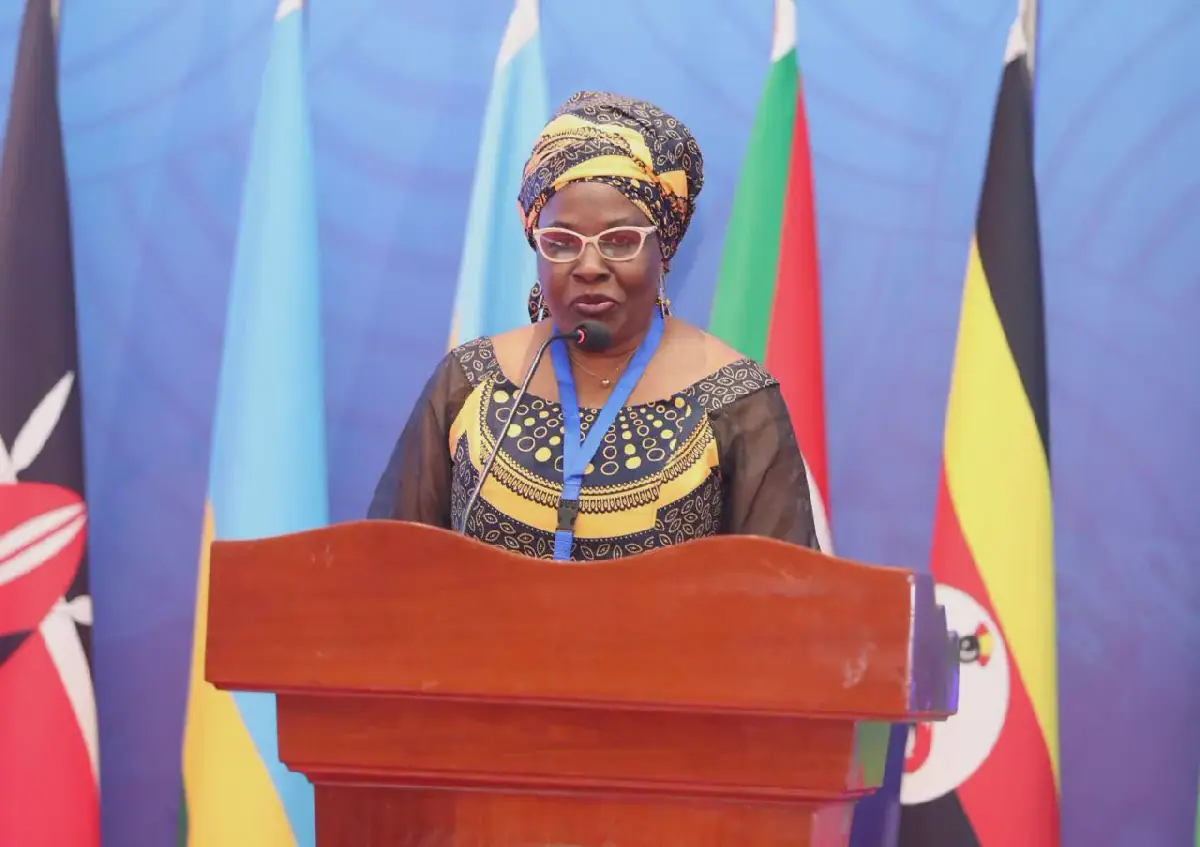
Angolan parliamentarian Teresa da Silva Neto has emphasized the need for parliamentary oversight of peace agreements in the Great Lakes region. Speaking at the Conference of Women Parliamentarians in Dar es Salaam, Tanzania, on November 4, Neto advocated for the creation of mechanisms to monitor and enforce commitments made by states in the region regarding peace, security, and development. This call comes as the region marks 20 years since the signing of the Pact on Security, Stability, and Development in the Great Lakes Region.
Neto, who heads the Group of Women Parliamentarians in the National Assembly, proposed that parliaments in the region hold annual debates and produce periodic reports on the implementation of regional agreements and protocols. She also stressed the importance of strengthening the operational capacity of the International Conference on the Great Lakes Region and harmonizing national legislation. Furthermore, Neto called for greater coordination with the African Union and the United Nations to ensure effective implementation of regional agreements.
The Angolan parliamentarian highlighted the need for states in the region to regularize their contributions and strengthen the Special Fund for Reconstruction and Development. She also emphasized the importance of women's participation in peace and security processes, citing the need for financing and effective inclusion of women in conflict negotiation and mediation processes. According to Neto, parliaments have a critical role to play in approving laws, monitoring public policies, and allocating budgetary resources to implement commitments made by states.
Neto's intervention also touched on the need to combat the illicit exploitation of natural resources, formalize artisanal mining, and invest in job creation and public services. She argued that these steps are essential to ensuring concrete benefits for the populations of the region. The Angolan parliamentarian reiterated her country's willingness to work with other parliaments in the region to monitor the implementation of the Pact and consolidate peace in the Great Lakes region.
The Conference of Women Parliamentarians, where Neto presented her proposals, was attended by representatives from various countries in the region. The event provided a platform for women parliamentarians to discuss issues related to peace, security, and development in the Great Lakes region. Neto's call for parliamentary oversight of peace agreements reflects a broader effort to ensure accountability and effective implementation of regional commitments.
The Pact on Security, Stability, and Development in the Great Lakes Region was signed 20 years ago with the aim of promoting peace, security, and cooperation among states in the region. Since then, the region has made significant progress in promoting stability and development. However, challenges persist, and Neto's proposals aim to address some of these challenges. By advocating for parliamentary oversight and women's participation, Neto seeks to strengthen the region's commitment to peace and security.
Neto's proposals have significant implications for the Great Lakes region, where peace and security remain fragile. By strengthening parliamentary oversight and promoting women's participation, the region can make progress towards more effective implementation of peace agreements and greater stability. As the region looks to the future, Neto's call for action serves as a reminder of the importance of continued commitment to peace and security.
Key points
- The Angolan parliamentarian Teresa da Silva Neto has called for parliamentary oversight of peace agreements in the Great Lakes region to ensure effective implementation of regional commitments.
- Neto proposed that parliaments in the region hold annual debates and produce periodic reports on the implementation of regional agreements and protocols.
- The Angolan parliamentarian emphasized the importance of women's participation in peace and security processes, citing the need for financing and effective inclusion of women in conflict negotiation and mediation processes.