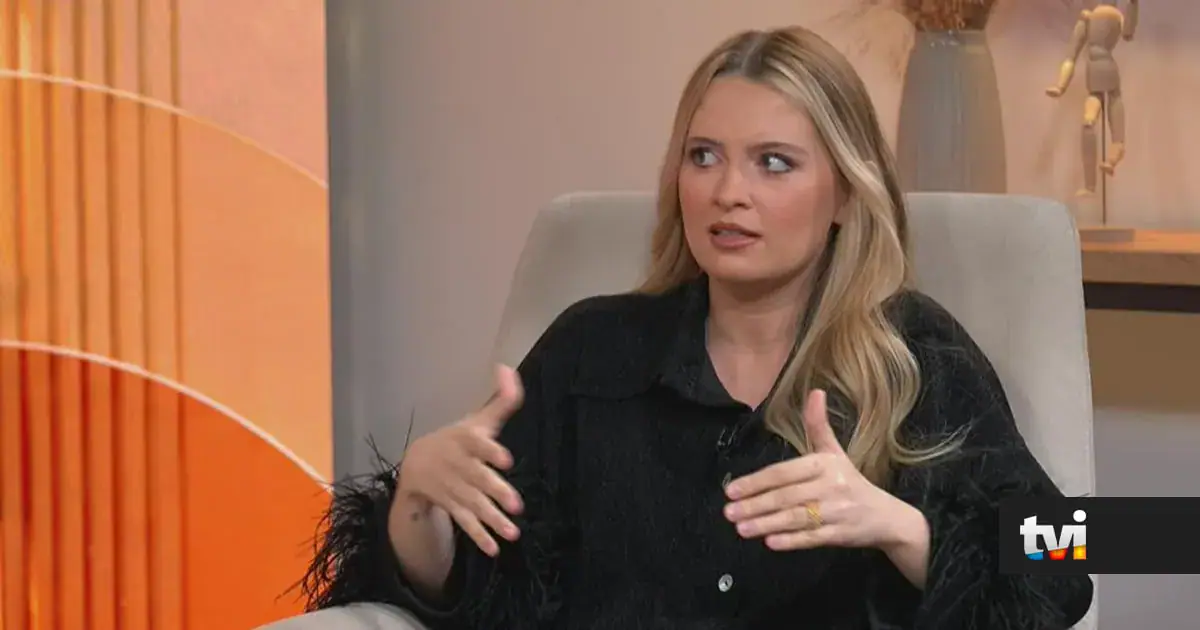
A candid conversation with Carol Morais, a mother of two from Angola, sheds light on the often-overlooked realities of postpartum life. Her twins, born at just 34 weeks, have now reached six months old. Morais describes the initial phase after their birth as an "amore" or love, despite the numerous challenges she faced. The experience, she notes, was far from the idealized expectations many have before becoming parents.
Morais reveals that her initial expectation was to quickly regain her physical form and easily return to her pre-pregnancy body. However, reality proved to be much more demanding. The postpartum period was marked by significant hormonal changes, difficulties adapting to her new role, and feelings of inadequacy. This starkly contrasts with the often-glamorized images presented on social media. According to Morais, it took a considerable amount of time for her to feel like herself again.
During her pregnancy, Morais felt confident and proud of her body, but the sudden change after giving birth was difficult to manage. She describes the shift from feeling "on top of the world" to feeling "terrible" as a particularly challenging aspect of motherhood that is rarely discussed publicly. Caring for two newborns simultaneously added to the complexity of her situation. Despite these challenges, Morais expresses that the love she feels for her children is overwhelming and something she had never experienced before.
The emotional journey of motherhood also affected Morais' relationship with her partner. She recalls feeling sad in the first few months after giving birth, struggling to come to terms with her new body. Her partner, however, offered constant support and reassurance, often telling her that she looked "great" and "perfect." While this was not always easy for Morais to accept, she acknowledges the positive impact of his support.
Morais emphasizes that motherhood is not a fairy tale but a process filled with profound changes. Although her experience was difficult, especially on a physical and emotional level, she admits that she feels more prepared if she were to have another child. For now, she says she is finally starting to feel like herself again, months after the birth of her twins.
The conversation with Morais highlights the importance of open discussions about the realities of motherhood. By sharing her story, she aims to provide a more realistic perspective on the challenges and joys that come with caring for newborns. Her experience serves as a reminder that every mother's journey is unique and that support systems, like her partner's, play a crucial role in navigating this new chapter.
As Morais continues on her journey as a mother, she encourages others to be honest about their experiences and to seek support when needed. Her story serves as a testament to the resilience and strength of mothers, who often face numerous challenges with love and determination. By sharing her story, Morais hopes to inspire more open and honest conversations about motherhood.
Key points
- The often-overlooked realities of postpartum life include significant hormonal changes, difficulties adapting to a new role, and feelings of inadequacy.
- Motherhood is not a fairy tale but a process filled with profound changes.
- Support systems, like a partner's, play a crucial role in navigating the challenges of motherhood.