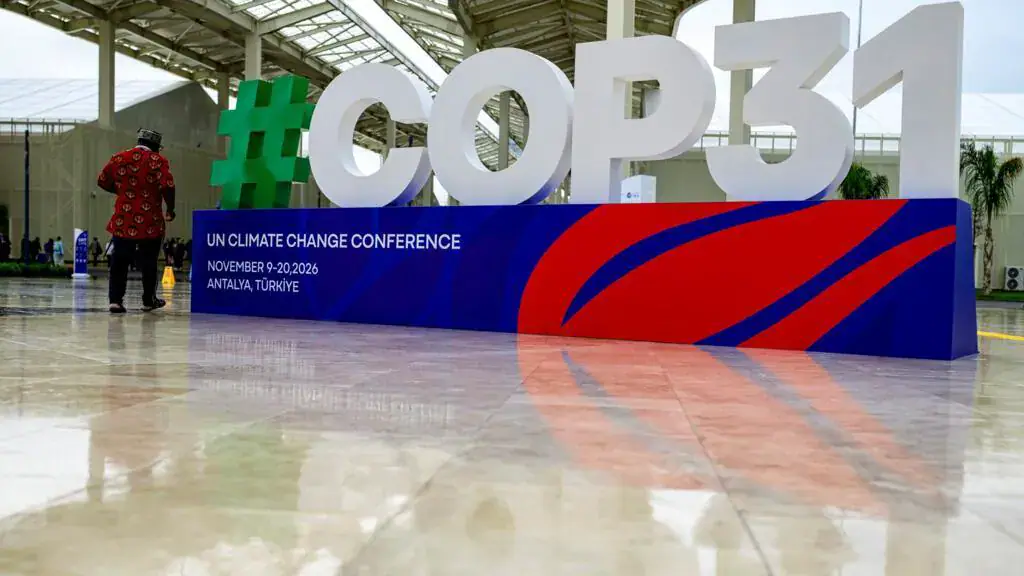
Angolan environmentalist and director of non-governmental organization Minuto Verde, Rafael Lucas, has expressed concerns over the lack of a final political agreement at the 31st United Nations Climate Change Conference (COP31) held in Antalya, Turkey. He believes the impasse will negatively impact African countries, particularly those facing significant challenges in adapting to climate change.
Rafael Lucas, in an interview with Rádio Correio da Kianda, voiced his disappointment with the conference's outcome, citing disagreements among countries on reducing dependence on fossil fuels and climate financing for developing nations. He stated that economic interests continue to hinder the adoption of clearer commitments to energy transition, compromising international efforts to combat climate change.
The environmentalist emphasized that the absence of a political understanding will disproportionately affect African countries, which face challenges such as water scarcity, prolonged droughts, and intense rainfall that destroy homes and infrastructure. He stressed the need for continued international negotiations to find joint solutions to environmental challenges.
Rafael Lucas advocated for a gradual energy transition that balances environmental protection with economic stability, considering Angola's reliance on oil revenue. He acknowledged the investments made by the Ministry of Energy and Water in expanding solar energy, particularly in the southern and eastern regions, as steps forward in the energy transition process.
However, Lucas emphasized the need for increased investment in renewable energy sources and climate resilience policies. He recommended that Angola establish partnerships and develop environmental projects that contribute to a safe energy transition without compromising the national economy and community well-being.
Minuto Verde also recommends greater protection and climate education in communities, particularly in the provinces of Cunene, Huíla, and Namibe, which require concrete measures to face the effects of climate change. Rafael Lucas warned of problems associated with water scarcity in certain regions of the country.
Lucas's concerns highlight the need for Angola and other African countries to adapt to the challenges posed by climate change. The country's efforts to transition to renewable energy sources and develop climate resilience policies will be crucial in mitigating the impacts of climate change on its communities and economy.
Key points
- Failure to reach agreement at COP31 will disproportionately affect African countries struggling to adapt to climate change.
- Angolan environmentalist advocates for gradual energy transition that balances environmental protection with economic stability.
- Increased investment in renewable energy sources and climate resilience policies is necessary to mitigate impacts of climate change.
Reporting sources
- ONG alerta para impacto do fracasso da COP31 em África · Hold On Angola