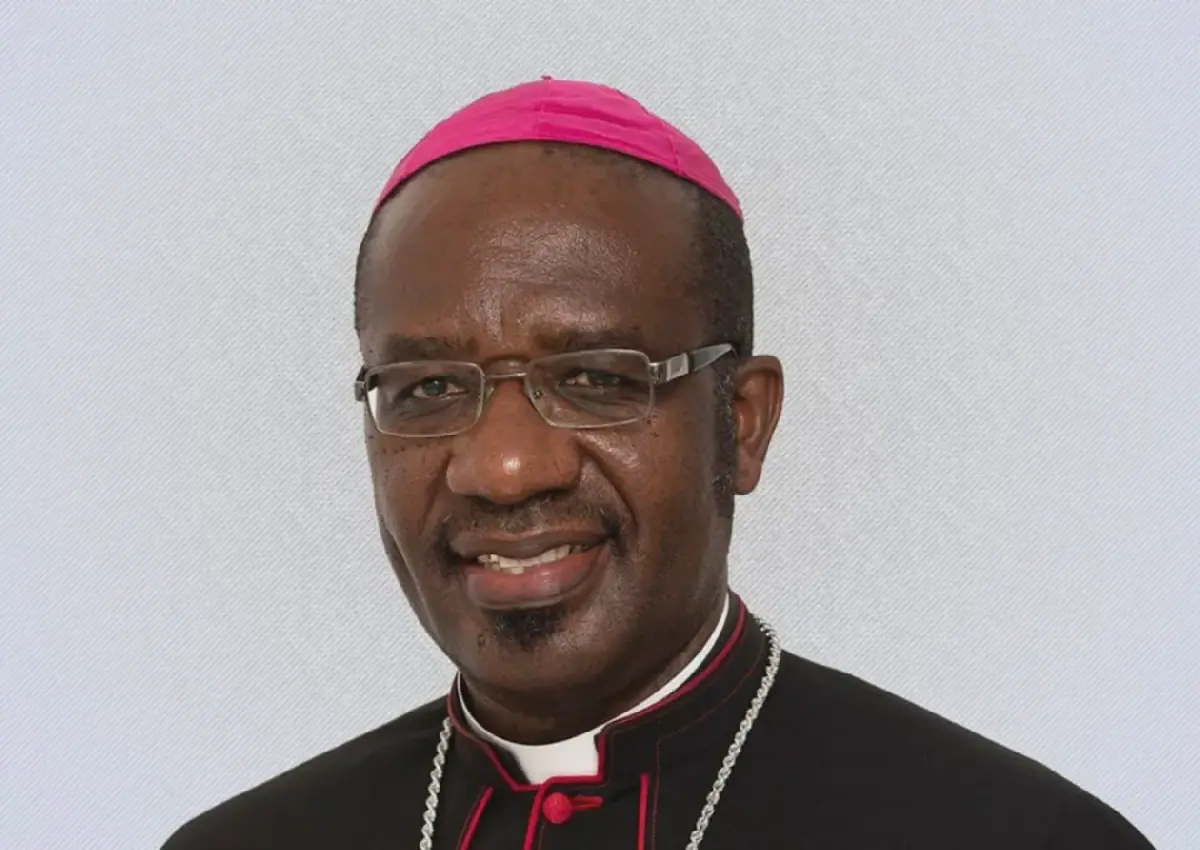
The president of the Angolan and São Tomé Episcopal Conference (CEAST), Dom José Manuel Imbamba, has expressed concerns that the government's responses to social problems affecting the population are insufficient. Despite investments in infrastructure, electricity expansion, and essential services, Imbamba stated that the needs of citizens remain unmet. He made these remarks during the closing mass of the Diocesan Jubilee and priestly ordinations in the Lunda-Norte province's Dundo Diocese.
Imbamba acknowledged the government's efforts to improve living conditions but emphasized that the current solutions are inadequate. He highlighted the high number of unemployed or precariously employed young people, who lack prospects for improving their living standards. This situation, according to the prelate, limits opportunities for new generations and may perpetuate poverty, affecting the future of Angolan families.
The CEAST president also expressed concern about the situation of remote communities, which remain excluded from development opportunities and are vulnerable to manipulation and instrumentalization. Imbamba pointed to social, political, cultural, and religious factors that, in his view, affect citizens' emotional and psychological balance.
Regarding national peace and reconciliation, Imbamba called for a strengthened collective commitment, stating that war is the worst choice a people can make. He referred to the inauguration of a memorial honoring victims of armed conflicts, advocating that it should serve as a reflection tool for current and future generations about the consequences of war.
Imbamba stressed the importance of preserving the memory of armed conflicts and promoting a collective consciousness that prevents Angola from returning to violence. He urged the government and citizens to work together to address social problems and promote development.
The CEAST president's statements come amid ongoing efforts by the Angolan government to address social and economic challenges. The government has invested in various sectors, including infrastructure and healthcare, but critics argue that more needs to be done to address the root causes of poverty and inequality.
Imbamba's concerns reflect the ongoing challenges faced by many Angolans, particularly young people and those in remote communities. The Catholic Church's stance on social issues is closely watched in Angola, where it plays a significant role in promoting social justice and human rights.
Key points
- The Angolan Catholic Church leader criticizes the government's responses to social problems as insufficient.
- Dom José Manuel Imbamba highlights the need for a collective commitment to peace and reconciliation.
- The prelate stresses the importance of preserving the memory of armed conflicts to prevent future violence.