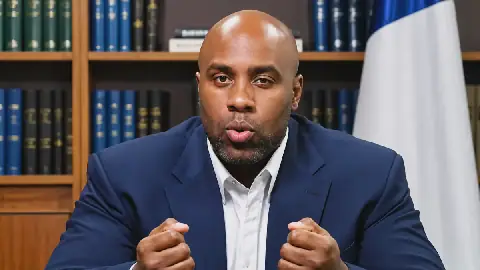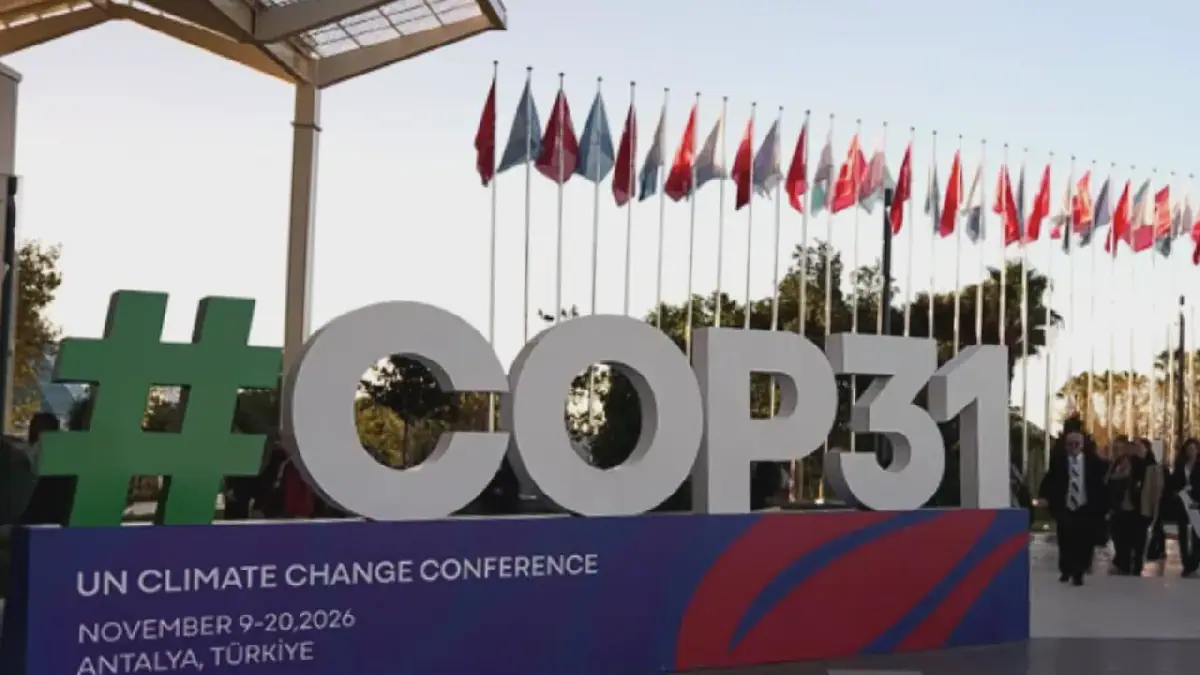
Environmentalist Rafael Lucas is calling on Angola to transform its international climate commitments into concrete actions to protect the environment and improve living conditions. This comes ahead of the 31st Conference of the Parties on Climate Change (COP31) scheduled for November 2026 in Turkey. Lucas believes COP31 presents an opportunity for Angola to assess its environmental policies and bridge the gap between international commitments and community-level challenges.
Angola is among African countries vulnerable to climate change impacts, including recurrent droughts in the south, irregular rainfall, floods, soil erosion, and ecosystem degradation. These phenomena pose threats to agriculture, food security, and community development, constituting economic, social, and health challenges. The provinces of Cunene, Namibe, and Huíla are among regions affected by prolonged drought and water scarcity, compromising agricultural production and exacerbating food insecurity.
Lucas highlights that the problem is not just the lack of precipitation but also difficulties in storing, distributing, and managing available water resources. He notes that Angola has legislation, strategies, and plans to address climate change but faces challenges in implementing policies, securing financing, and protecting ecosystems. To address these issues, Lucas advocates for strengthening institutions and implementing environmental policies that effectively reach vulnerable provinces, municipalities, and communities.
Lucas emphasizes that Angola should use COP31 to push for climate action based on justice, international cooperation, and adequate financing, considering African countries' vulnerabilities. He believes Angola's climate credibility should be judged not just on international commitments but on internal results, particularly in access to water, agricultural protection, forest conservation, promotion of clean energy, and building resilient communities.
The environmentalist also stresses the importance of education, public awareness, and citizen mobilization for natural heritage protection. He advocates for effective environmental policies and active community participation in responding to climate change. Lucas's organization, Minuto Verde, is committed to environmental education and public awareness.
Climate change has significant implications for Angola's agriculture, food security, and economic development. The country's ability to adapt to and mitigate the effects of climate change will be crucial in ensuring sustainable development and protecting the livelihoods of its citizens. Lucas's call to action emphasizes the need for Angola to take concrete steps to address these challenges.
As COP31 approaches, Angola faces pressure to demonstrate its commitment to addressing climate change. By prioritizing environmental protection and community resilience, the country can work towards a more sustainable future and contribute to global efforts to combat climate change.
Key points
- Angola must strengthen institutions and implement effective environmental policies to address climate change.
- The country should prioritize education, public awareness, and citizen mobilization for natural heritage protection.
- Angola's climate credibility depends on internal results, particularly in access to water, agricultural protection, and forest conservation.