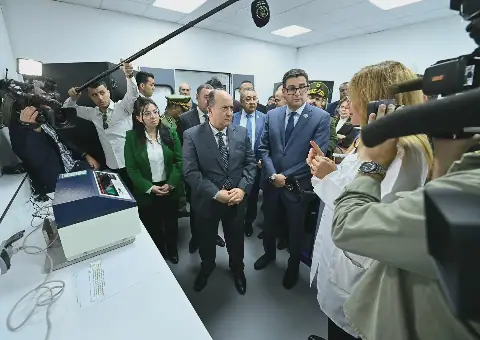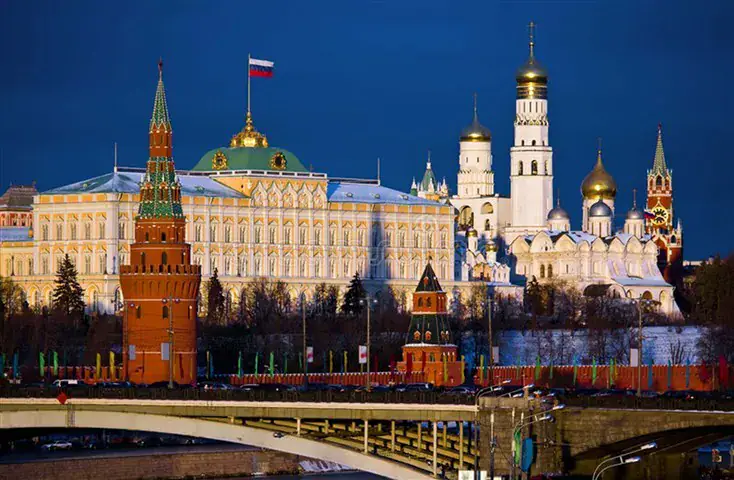
The third Russia-Africa summit, held in Moscow on October 28-29, drew 48 of 54 African countries, with 22 represented by heads of state. Russian President Vladimir Putin co-chaired the meeting with Burundi's President Évariste Ndayishimiye, who also leads the African Union. The summit aimed to showcase Russia's influence in Africa and counter its international isolation. Putin highlighted Russia's historical ties with Africa, citing support for liberation movements and solidarity with newly independent states. This narrative resonates with countries like Angola and Mozambique, which have historical ties with the Soviet Union.
The summit's agenda included cooperation in 19 areas, such as peace and security, agriculture, energy, and education. Russia's state-owned nuclear corporation, Rosatom, also explored opportunities in civil nuclear energy. While these commitments may offer opportunities in food security, fertilizers, and energy, their execution, financing, and impact remain uncertain. African countries have learned that signed documents only matter when translated into measurable results. The experience of previous summits has shown that declarations of intent must be backed by concrete actions.
Russia's expansionist policies, including the invasion of Ukraine, raise questions about its commitment to African interests. Moscow's narrative of defending a multipolar world order and opposing Western neocolonialism is complicated by its own actions. The invasion of Ukraine, as well as previous actions in Georgia, challenge Russia's claims of respecting sovereignty. Furthermore, Russia's military actions in Ukraine have resulted in significant civilian casualties and damage to infrastructure.
Angola's decision to send a ministerial representative, rather than President Lourenço, reflects the country's strategic priorities. This choice may signal a shift in Angola's diplomatic approach, as Luanda seeks to diversify its relationships with the US, EU, and traditional partners. The Lobito Corridor, a vital transportation route for Central African goods, exemplifies Angola's strategic interests. By engaging with multiple partners, Angola aims to maximize its negotiating power.
The Russia-Africa summit demonstrated Moscow's ability to convene a large gathering, but absences and lower-level representation from some countries reveal nuances in diplomatic relationships. While Russia's economic and military overtures may appeal to some African nations, they must carefully consider the implications of such partnerships. African countries should prioritize their institutional autonomy and weigh the benefits and risks of deepening ties with Russia.
The current global landscape, marked by shifting alliances and great power competition, requires African countries to navigate complex diplomatic relationships. As Russia, the US, and EU vie for influence, African nations must make informed decisions about their partnerships. In Angola's case, the decision to send a lower-level representative to the summit may indicate a cautious approach to Russia's overtures.
As Africa continues to evolve, its interests diversify, and its decision-making capacity expands. African countries must prioritize their sovereignty and carefully evaluate partnerships, ensuring they align with their strategic interests. The Russia-Africa summit has highlighted the need for a nuanced understanding of global geopolitics and the importance of informed decision-making in international relations.
Key points
- Angola's President João Lourenço skipped the Russia-Africa summit, sending Minister Dionísio Manuel da Fonseca instead, reflecting the country's strategic priorities and diplomatic approach.
Reporting sources
- A III Cimeira Rússia-África: a disputa pela influência... · novojornal.co.ao