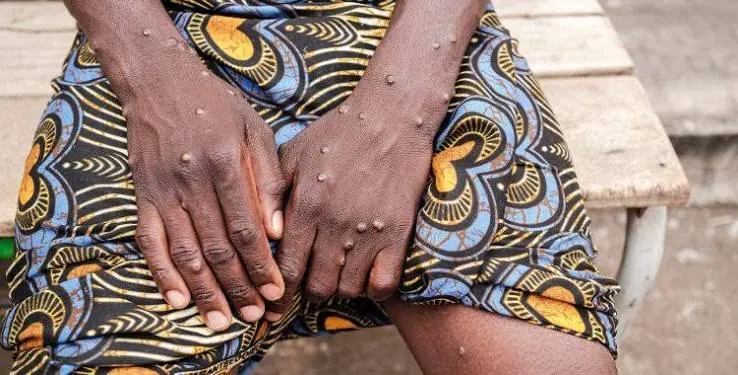
Angola has recorded 19 new cases of Mpox, also known as monkeypox, in the last 24 hours, according to the Ministry of Health. The new cases were reported in various provinces, including Moxico Leste (5), Luanda (5), Cabinda (3), Moxico (2), Huambo (1), Icolo e Bengo (1), Namibe (1), and Uíge (1). This brings the total number of cases in the country to 615.
The Ministry of Health reported that four patients were discharged from hospitals in the last 24 hours, with three recoveries in Moxico Leste and one in Cabinda. Currently, there are 107 active cases nationwide. The disease, caused by a virus transmitted to humans from monkeys and rodents, manifests through symptoms such as fever, headache, fatigue, muscle pain, and skin lesions.
The Angolan government had reactivated its National Contingency Plan in early July to respond quickly to potential Mpox cases, particularly due to the country's border with the Democratic Republic of Congo. The plan aims to detect cases early, confirm suspected cases, identify contacts, assess and monitor the spread of the epidemic, and evaluate the effectiveness of control measures.
The Ministry of Health recommends several preventive measures to curb the spread of the disease. These include frequent handwashing with soap and water or using alcohol gel, avoiding hunting and consuming monkey and rodent meat, and preventing direct exposure to their meat and blood. The ministry also advises against physical contact with individuals showing symptoms of the disease.
The new strain of Mpox, known as "clade 1b," was detected in the Democratic Republic of Congo in September 2023 and has since been reported in several neighboring countries. The World Health Organization (WHO) has classified this strain as more severe than the previous one, necessitating its designation as a global emergency.
According to the WHO, this new variant can be easily transmitted through close contact between individuals, without requiring sexual contact, and is considered more dangerous than the 2022 variant. In 2022, the WHO declared Mpox a global emergency after it spread to over 70 countries that had no prior history of contact with the virus.
The Ministry of Health urges citizens to seek immediate medical attention if they experience any symptoms of Mpox. The public is also advised to take precautions when handling animals, including wearing gloves and protective clothing during handling and slaughter. By taking these measures, Angola aims to control the spread of the disease and mitigate its impact on public health.
Key points
- Angola reports 19 new Mpox cases, bringing the total to 615 nationwide.
- The new strain of Mpox, "clade 1b," is considered more severe and transmissible than previous variants.
- The Angolan government has reactivated its National Contingency Plan to respond to Mpox cases and control the spread of the disease.