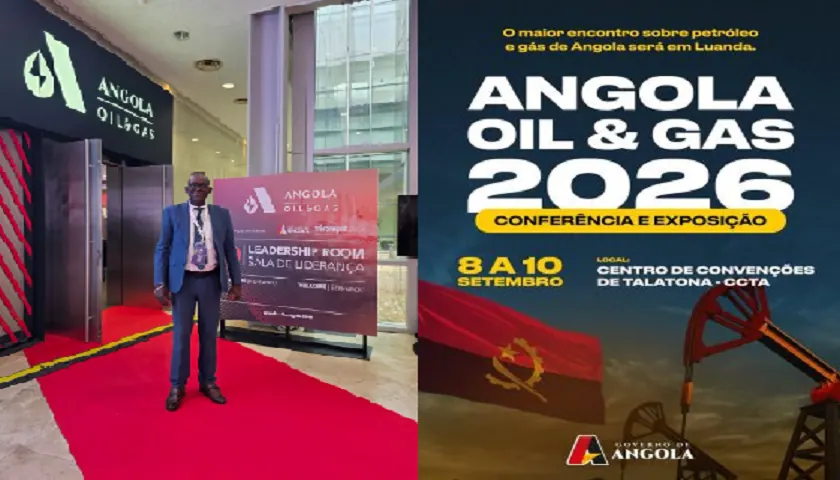
The Angola Oil & Gas Conference and Exhibition (AOG 2026) recently took place in Luanda, bringing together key stakeholders from the energy industry, including government officials, oil companies, investors, and financial institutions. The event, held on September 9-10, provided a platform for dialogue on Angola's energy future and its ability to convert natural resources into investment, employment, and sustainable economic development. According to the organizers, the conference aimed to connect investors, project promoters, and decision-makers in the sector.
The Angolan government played a crucial role in the conference, with various institutions, such as the Ministry of Mineral Resources, Petroleum and Gas (MIREMPET), the National Petroleum, Gas and Biofuels Agency (ANPG), and the state-owned oil company Sonangol, participating in the event. These institutions demonstrated the government's commitment to developing the energy sector and its importance to the national economy. The sector continues to drive exports, generate foreign currency, and finance public spending.
The conference featured a diverse range of national and international companies, including major sponsors such as Sonangol, Refinaria de Cabinda, Copia Group of Companies, and TotalEnergies. The presence of these companies highlighted the significant economic impact of the oil and gas sector, which involves various industries, including banking, insurance, consulting, technology, and logistics. A total of companies from different categories, including Diamond, Platinum, Gold, Silver, Bronze, Champion, Elite, and Associate, participated in the event.
One of the key takeaways from the conference was the continued interest of international investors in Angola's energy sector. TotalEnergies announced plans to invest around $10 billion in Angola over the next five years, in partnership with other companies, to support various projects and maintain the country's oil production levels. The company is currently producing around 450,000 barrels of oil per day in Angola and is developing the Kaminho project in the Kwanza Basin, valued at approximately $6 billion.
The conference also highlighted the importance of local content in the energy sector. For years, a significant portion of the value generated by the oil industry has been concentrated in international companies and external suppliers. The challenge now is to increase the participation of Angolan companies, particularly in high-value segments. This requires not only hiring national labor but also creating companies, transferring knowledge, and developing technology.
The ANPG, ExxonMobil, and partners announced a new oil discovery in the Vicango Este-01 exploration well, located offshore Angola. This discovery reinforced the potential for further exploration in the country's petroleum basins. New discoveries are crucial for sustaining national production, especially as several traditional fields reach maturity. However, the discovery of oil should not be automatically equated with economic development, as there are various steps involved in converting a reserve into improved living conditions for the population.
The conference also emphasized the role of financial institutions in supporting the energy sector. Large-scale oil projects require long-term investments and complex financial structures. Domestic companies need financing to acquire equipment, hire qualified workers, and meet technical requirements of major operators. The participation of financial institutions, such as Banco Sol, BAI, and BFA, in the conference demonstrated the growing importance of banking in structuring and financing projects linked to the real economy.
Key points
- The Angola Oil & Gas Conference highlighted the challenges and opportunities in the country's energy sector, including the need to transform oil into sustainable development and the importance of local content.
- International investors continue to show interest in Angola's energy sector, with TotalEnergies announcing plans to invest $10 billion in the country over the next five years.
- The conference emphasized the importance of diversifying the economy and using oil revenue to support other sectors, such as agriculture, industry, and tourism.