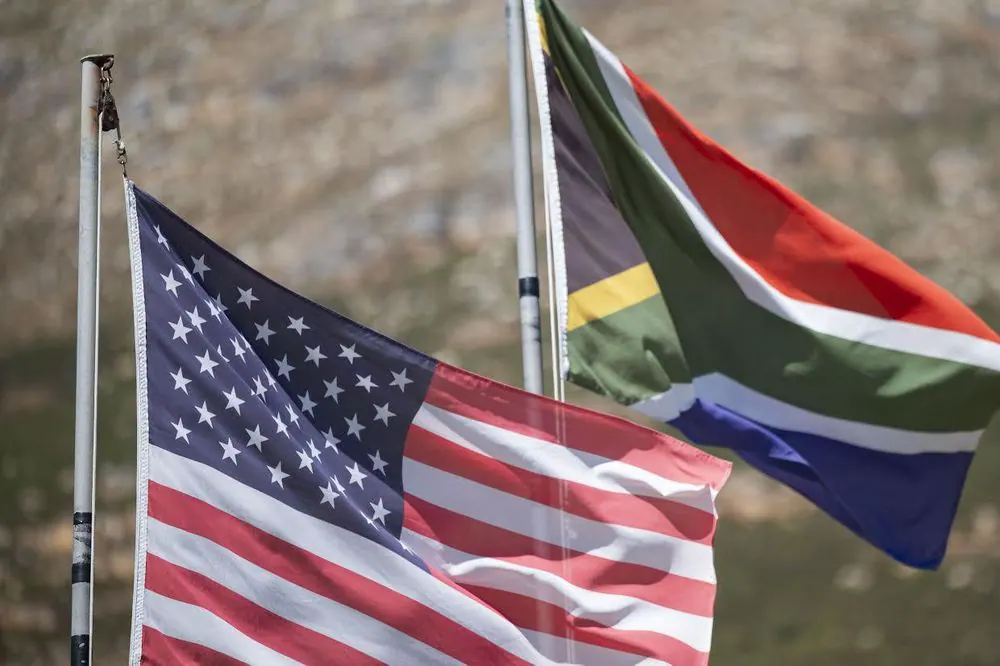
Tensions between the United States and South Africa are intensifying as the US continues to place restrictions on the country in response to what it calls race-based discrimination, uncompensated land seizures, and incitement of violence. The US has imposed targeted visa restrictions on South African officials, a move that has been rejected by South Africa. President Cyril Ramaphosa stated that South Africa will defend its sovereignty while continuing to engage with Washington.
The US has previously taken several actions against South Africa, including visa restrictions announced on September 15 against certain South Africans accused of being involved in or supporting policies concerning racial discrimination, uncompensated land seizures, and incitement of violence. In March 2025, the US paused and cut development assistance to South Africa, including funding linked to HIV/AIDS programs. Secretary of State Marco Rubio expelled South Africa's ambassador to the US, Ebrahim Rasool.
The Trump administration introduced a 30% tariff on South African goods and offered refugee status to some Afrikaners as claims about racial discrimination in South Africa surfaced. It also pressured Pretoria over its foreign-policy positions, including its relationship with Iran. South Africa has rejected the US characterization of its policies and defended its sovereign right to determine its domestic and foreign policy.
According to President Ramaphosa, South Africa is willing to engage with the US and other countries while maintaining its dignity and sovereignty. The US is an important market for South Africa, and Ramaphosa expects both countries to treat each other respectfully. The US ambassador described the visa restrictions as "only the first step in a series of escalatory measures," indicating that additional individuals could potentially be targeted.
Possible future US actions against South Africa include expanding visa restrictions to more officials, increasing pressure on South African exports, and further reducing or redirecting US assistance. The US could also increase diplomatic isolation of South Africa, such as reducing high-level diplomatic engagement or excluding South African officials from selected US-led meetings.
The US may apply pressure over South Africa's foreign policy, particularly its relationships with countries like Iran and its case against Israel at the International Court of Justice. However, the US cannot force South Africa to change its laws, as South Africa is a sovereign state that regards issues like land reform and foreign-policy positions as matters for its own government and Parliament.
Despite the tensions, South Africa and the US are still negotiating, with Trade and Industry Minister Parks Tau stating that officials from both countries are due to meet to discuss trade despite the new visa restrictions. The two countries will likely continue to engage in diplomatic efforts to resolve their differences.
Key points
- The US has imposed targeted visa restrictions on South African officials over alleged race-based discrimination and land reform policies.
- South Africa has rejected the US characterization of its policies and defended its sovereign right to determine its domestic and foreign policy.
- Possible future US actions against South Africa include expanding visa restrictions, increasing pressure on exports, and further reducing US assistance.