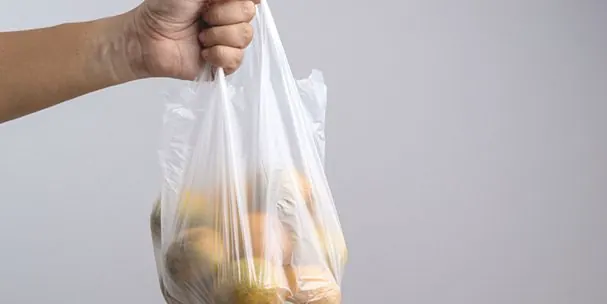
Angola has begun enforcing a ban on the production of single-use plastics, effective September 22nd. This move aims to reduce the environmental consequences associated with the use and disposal of these materials. The ban is part of a broader plan to eliminate single-use plastics by 2027. Environmentalists and stakeholders have welcomed the initiative, emphasizing the need for complementary measures to ensure successful implementation.
Rafael Lucas, an environmentalist and president of MINUTO VERDE, views the plan as a significant step forward in environmental protection. However, he stresses that the transition to alternative materials must consider environmental, economic, and social challenges. Lucas advocates for an adaptation period to allow companies to reconfigure industrial processes, introduce alternative raw materials, and ensure the technical and economic viability of new products.
Lucas highlights the need to support small and medium-sized enterprises and families that depend on the production and marketing of plastic products during the transition. Education and awareness-raising among the population are also crucial for changing consumption habits. He recommends permanent environmental education campaigns to inform citizens about the impacts of plastic waste and encourage the use of alternatives.
Improving waste collection, recycling, and treatment infrastructure is another critical aspect, according to Lucas. He notes that limitations in various regions require investments and structural reforms to ensure adequate waste management during the implementation of the ban. The environmentalist emphasizes that plastic constitutes a threat to ecosystems, contributing to soil degradation, water contamination, and harm to fauna and flora.
Lucas believes that the success of the ban depends on collaboration between the government, companies, communities, and environmental organizations. Necessary actions include creating environmental education campaigns, supporting vulnerable communities during the transition, and involving environmental organizations in monitoring and enforcing the program. He is optimistic that Angola can develop an environmentally responsible and socially just development model.
The ban on single-use plastics is expected to have a positive impact on Angola's environment. By reducing plastic waste, the country can mitigate the adverse effects of plastic pollution on its ecosystems. The government's initiative has been welcomed by environmentalists and stakeholders, who emphasize the need for a comprehensive approach to address the challenges associated with plastic waste management.
As Angola begins to implement the ban, the focus shifts to ensuring a smooth transition to alternative materials and supporting affected communities. With a well-planned strategy and collaboration among stakeholders, Angola can achieve its goal of eliminating single-use plastics by 2027 and promoting sustainable development.
Key points
- The ban on single-use plastics in Angola will be implemented by 2027.
- Environmentalists emphasize the need for complementary measures to ensure successful implementation.
- Education and awareness-raising among the population are crucial for changing consumption habits.