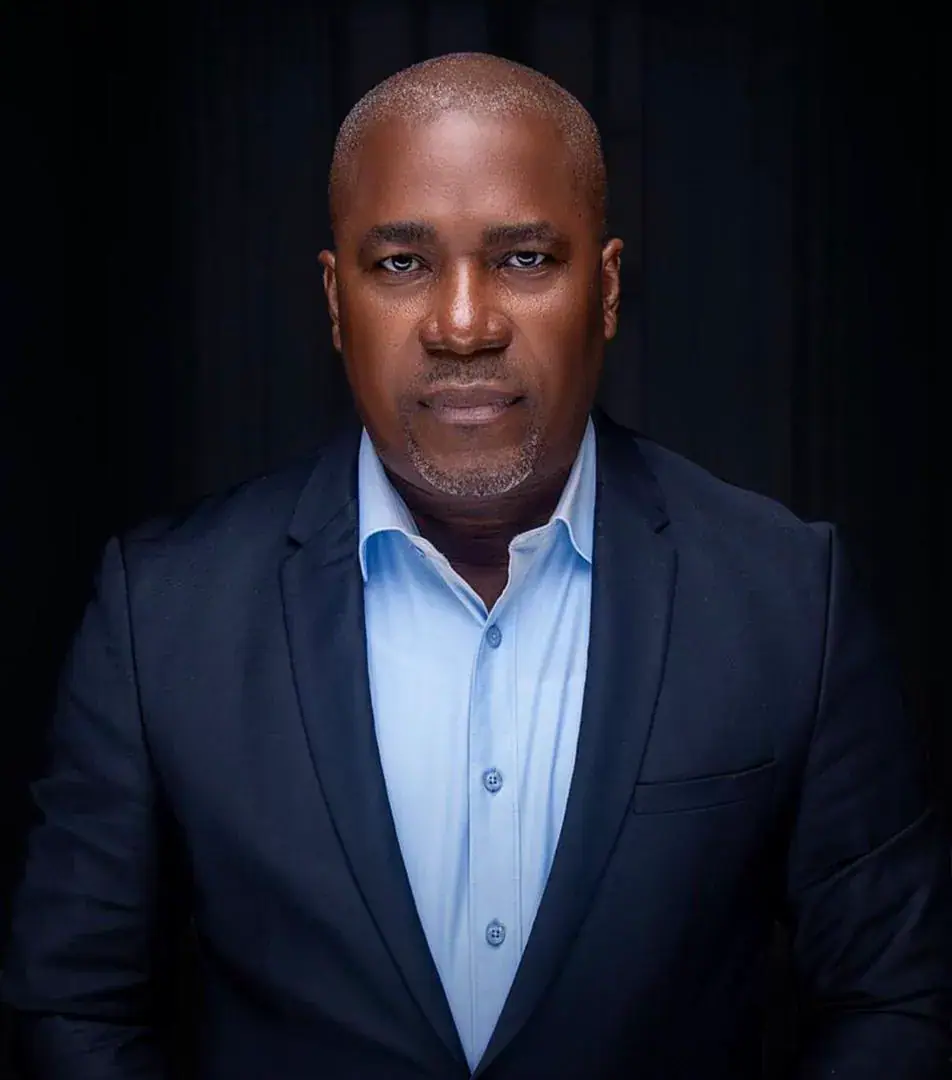
The Anglophone Crisis in Cameroon's English-speaking regions has completed its 10th year, with a staggering toll on human life and the economy. Thousands have been killed, families displaced, and generations of children have been deprived of education. The crisis began with protests by lawyers and teachers in 2016, which escalated into an armed conflict. According to Barrister Felix Nkongho Agbor Balla, founder and president of the Centre for Human Rights and Democracy in Africa (CHRDA), the situation in the North West and South West regions remains dire.
Agbor Balla described the assessment of the situation in the North West and South West regions as bleak, with unspeakable atrocities committed over the past decade. The civilian population has been attacked, property destroyed, and communities and villages burned. The economic consequences have been devastating, particularly in the agrarian regions. The education sector has suffered enormously, with gross human rights violations reported. Many people have been arrested and detained, and the crisis has affected virtually every aspect of life in the two regions.
While the government has made some efforts to address the corporate demands raised by teachers and lawyers, much more remains to be done. The introduction of special status for the North-West and South-West regions, the establishment of their regional assemblies, and the recognition of the autonomous status of the common law bench at the Supreme Court are steps in the right direction. However, Agbor Balla emphasized that the government and separatist armed groups must make fundamental concessions to secure a lasting peace.
Agbor Balla expressed surprise that the grievances at the centre of the protests developed into a decade-long conflict. He noted that the crisis began with corporate demands from lawyers and teachers, which escalated into an armed conflict. The arrest of some leaders and the formation of the Cameroon Anglophone Civil Society Consortium marked important moments in the escalation. Agbor Balla attributed the continuation of the crisis to several factors, including the interests that have developed around the conflict, rivalries among elites, the government's response, and the determination of some armed separatists to continue fighting.
The conflict has created economic and financial interests, with some people benefiting financially from the continuation of the conflict. Rivalry among political and regional elites has also undermined efforts to find a solution. Agbor Balla cited instances where initiatives have been undermined because the initiative came from one person or group rather than another. He emphasized that finding a solution requires sustained engagement and a combination of top-down and bottom-up approaches.
Several peace initiatives have been attempted over the past decade, but they have failed to produce a lasting political settlement. Agbor Balla attributed the failure to insufficient political will, particularly among some non-state armed groups. He advocated for Track One, Track Two, and Track Three diplomacy, bringing together formal political negotiations, other stakeholders, and community-level initiatives. Agbor Balla also called for accountability for human rights violations and a broader truth and reconciliation process to address Cameroon's historical grievances.
The Anglophone Crisis has had a profound impact on the people of the North West and South West regions, with uncertainty and fear now part of everyday life. Agbor Balla's call for bold political compromises and a sustained engagement to find a solution is a pressing concern. The international community is watching closely, and there is hope that a lasting peace can be achieved through a combination of efforts.
Key points
- The Anglophone Crisis in Cameroon has resulted in thousands of deaths, displacement of families, and deprivation of education for generations of children.
- Barrister Felix Nkongho Agbor Balla urges bold political compromises to end the bloodshed and secure a lasting peace.
- The crisis has created economic and financial interests, with some people benefiting financially from the continuation of the conflict.
Reporting sources
- Anglophone Crisis At 10: Agbor Balla Reflects On A Decade Of Bloodshed · Pan African Visions